Written and medically reviewed by Dr. Vinay Jacob, MS, MCh, DNB
Member, Indian Association of Aesthetic Plastic Surgeons (IAAPS)
Last reviewed and updated: August 13, 2026 | Editorial policy
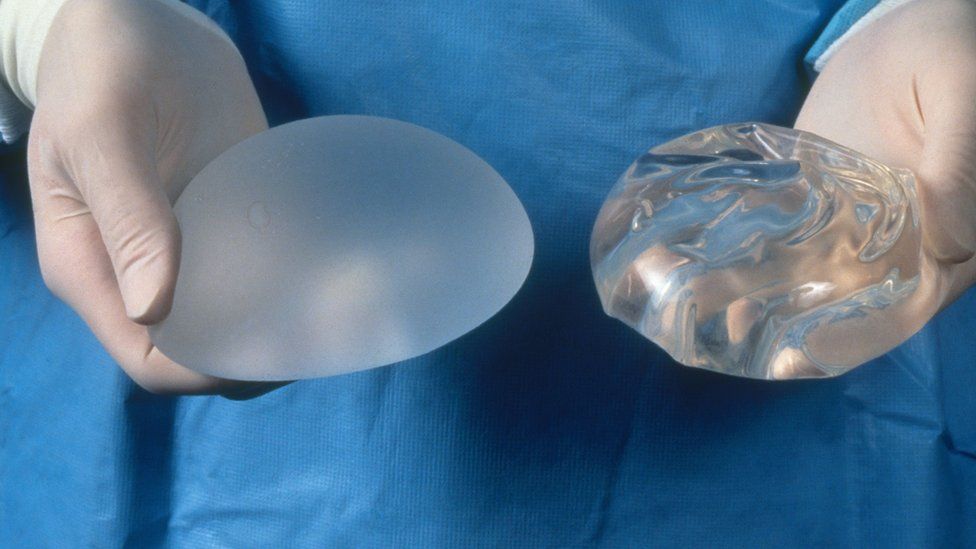
Saline and silicone breast implants both use a silicone outer shell, but their filling and behaviour differ. Saline implants contain sterile saltwater; silicone implants contain cohesive silicone gel. This page is a neutral, feature-by-feature reference—not a recommendation that one type is best for everyone.
Saline vs silicone at a glance
| Feature | Saline implant | Silicone implant |
|---|---|---|
| Filling | Sterile saltwater | Cohesive silicone gel |
| Insertion | Usually inserted empty, then filled | Inserted pre-filled |
| Feel | Can feel firmer | Often feels closer to breast tissue |
| Rippling | May be more visible, especially with thin tissue | Generally less visible, but still possible |
| Rupture clue | Breast typically deflates | Rupture may be silent |
| Monitoring | Clinical follow-up; rupture usually noticeable | Clinical follow-up plus imaging as advised |
Feel and appearance
Silicone gel tends to produce a softer feel. Saline results can still look natural when implant dimensions, tissue coverage and placement are appropriate. The amount of existing breast tissue is a major factor.
Incision and placement
Because saline implants are filled after insertion, they may allow a smaller incision. Silicone implants arrive pre-filled and may require a longer incision. Either type may be placed above or below the chest muscle depending on anatomy and the surgical plan.
Rupture and follow-up
Saline deflation is normally visible, while silicone rupture may not produce an obvious change. This difference affects follow-up, but it does not mean one implant is risk-free. Patients should retain implant records and attend recommended reviews.
Shared risks
Both types can be associated with capsular contracture, infection, pain, asymmetry, sensation changes, implant displacement, rupture and further surgery. Implant-specific risks and the current monitoring plan should be reviewed during consent.
Which page should you read next?
- For a suitability decision: Are silicone breast implants better than saline?
- For silicone-specific benefits and limitations: Why are silicone implants preferred?
- For treatment and consultation details: Breast implant surgery
Why consult Dr. Vinay Jacob?
Dr. Vinay Jacob is a plastic and reconstructive surgeon with MS, MCh and DNB qualifications and experience in aesthetic breast surgery and breast reconstruction. Implant selection requires an examination of breast tissue, chest width, skin quality and personal goals.
See the breast implant service page or Dr. Vinay Jacob’s profile.