Non-Surgical or Surgical Body Contouring?
Feeling confident in your body is important for your physical comfort and emotional well-being. Many people work hard through diet and exercise but still struggle with stubborn fat, loose skin, or uneven body shape. This is where body contouring treatments can help refine your appearance and improve body proportions. Today, you have two main options—non-surgical and surgical body contouring—each with its own benefits and limitations. In this guide, you will learn how these treatments work, who they suit best, what results you can expect, and how to decide which option aligns with your goals and lifestyle.
Understanding Body Contouring: What It Really Means
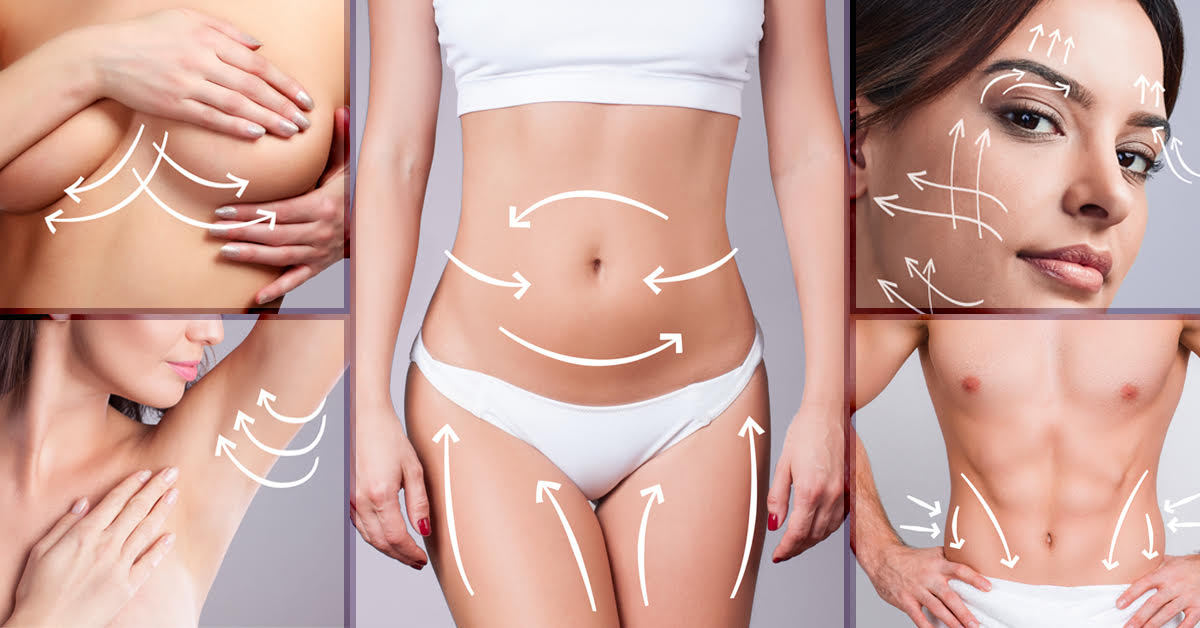
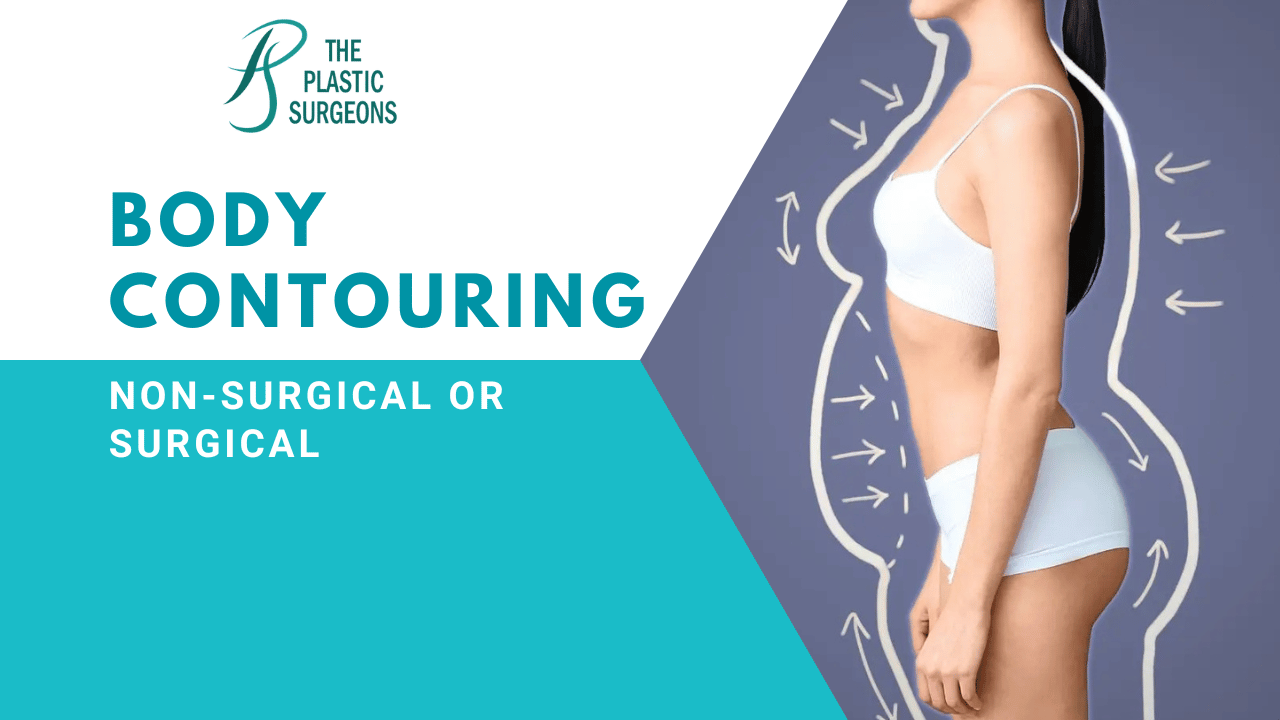
Body contouring refers to medical and aesthetic treatments that reshape and refine areas of the body. These treatments target fat pockets, skin laxity, and body proportions rather than overall weight loss. If your weight is stable but certain areas resist change, body contouring may help you achieve a more balanced shape.
What body contouring can help with
- Localized fat in areas like the abdomen, thighs, arms, chin, and flanks
- Loose or sagging skin after weight loss or pregnancy
- Body asymmetry or uneven contours
- Improving clothing fit and body confidence
What body contouring cannot do
- Replace healthy eating or exercise
- Treat obesity or major weight issues
- Guarantee permanent results without lifestyle maintenance
Your skin quality, age, medical history, and expectations play a major role in determining which treatment works best for you.
Non-Surgical Body Contouring: How It Works and Who It’s For
Non-surgical body contouring uses energy-based technologies to reduce fat or tighten skin without incisions or anesthesia. These treatments are usually performed in an outpatient clinic and allow you to return to normal activities quickly.
Common non-surgical methods

- Cryolipolysis (fat freezing): Freezes fat cells so the body can naturally eliminate them over time.
- Radiofrequency: Heats the skin and deeper layers to encourage collagen tightening.
- Ultrasound-based fat reduction: Uses sound waves to break down fat cells.
- Injectable fat dissolvers: Helps reduce small fat pockets, mainly under the chin or jawline.
Who benefits most
- You are close to your ideal weight.
- You have small to moderate fat deposits.
- Your skin still has good elasticity.
- You prefer minimal downtime and gradual results.
Benefits
- No surgery or stitches
- Minimal discomfort
- Short recovery time
- Lower upfront cost compared to surgery
Limitations
- Results are subtle and take time.
- Multiple sessions may be needed.
- Not suitable for large fat reduction or loose skin.
- Changes depend on body response and lifestyle.
Non-surgical options work best when you want refinement rather than dramatic reshaping.
Surgical Body Contouring: What to Expect and When It Makes Sense
Surgical body contouring involves removing fat and excess skin through a planned operation. These procedures provide more visible and lasting changes when compared to non-surgical methods.
Common surgical procedures
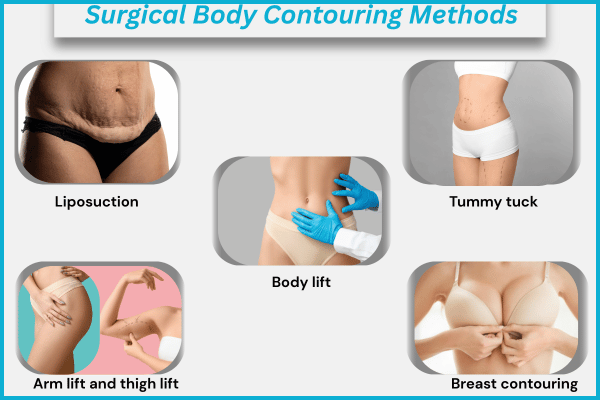
- Liposuction: Removes stubborn fat from targeted areas.
- Tummy tuck (abdominoplasty): Removes loose skin and tightens abdominal muscles.
- Body lift: Addresses sagging skin after major weight loss.
- Arm lift and thigh lift: Reshapes limbs with excess skin.
- Breast contouring procedures: Improves shape, volume, and symmetry.
Who benefits most
- You have noticeable loose skin or larger fat deposits.
- You experienced pregnancy or major weight loss.
- You want visible contour improvement in one procedure.
- You can commit to recovery and follow care instructions.
Benefits
- Clear and predictable results
- Skin tightening and reshaping
- Long-term improvement when weight remains stable
- Custom treatment planning
Considerations
- Requires anesthesia and recovery time
- Higher cost compared to non-surgical treatments
- Temporary swelling, bruising, and discomfort
- Need for proper medical evaluation
Surgical contouring suits people who want structural change rather than surface-level improvement.
Comparing Non-Surgical vs Surgical Body Contouring
Understanding the differences helps you make a confident decision.
| Factor | Non-Surgical | Surgical |
|---|---|---|
| Invasiveness | No cuts or anesthesia | Incisions and anesthesia |
| Downtime | Minimal or none | Days to weeks |
| Results | Gradual and mild | Immediate and visible |
| Skin tightening | Limited | Strong tightening |
| Sessions | Multiple sessions | Usually one procedure |
| Cost | Lower per session | Higher upfront |
| Ideal for | Small fat areas | Larger correction |
If you want a gentle improvement with minimal interruption to your routine, non-surgical methods may suit you. If you want a noticeable change in body shape, surgery often delivers stronger outcomes.
Key Factors to Consider Before Making Your Choice
Every body is unique, so your decision should be based on personal priorities and realistic expectations.
Your goals
Ask yourself what you truly want. Is it a slight reduction in stubborn fat or a visible change in body shape and skin firmness?
Your lifestyle
Can you take time off work for recovery? Are you comfortable with follow-up visits and care instructions?
Your health status
Medical conditions, smoking habits, and weight stability influence safety and results.
Your budget
Non-surgical treatments may appear affordable but can add up after multiple sessions. Surgical treatments involve a higher initial cost but may require fewer follow-ups.
Your patience level
Non-surgical results take weeks or months to show. Surgical results appear faster but involve healing time.
A detailed consultation allows your surgeon to guide you based on physical examination and your expectations.
Safety, Results, and Long-Term Maintenance
Regardless of your choice, safety and maintenance matter.
Safety tips
- Choose a qualified and experienced plastic surgeon.
- Ensure the clinic follows proper hygiene and medical protocols.
- Share your full medical history honestly.
- Follow pre and post-treatment instructions closely.
What results really depend on
- Skin elasticity and age
- Body metabolism and healing ability
- Consistency in healthy eating and activity
- Genetic factors
Maintaining your results
- Stay physically active.
- Follow balanced nutrition.
- Maintain stable weight.
- Stay hydrated and manage stress.
- Avoid smoking and excess alcohol.
Body contouring improves shape, but your daily habits protect your investment.
Consultation: Your Most Important Step
A professional evaluation ensures that your expectations match what treatment can realistically achieve. During consultation, your doctor will assess fat distribution, skin quality, muscle tone, and overall health. You will also discuss recovery timelines, possible risks, and expected outcomes.
This conversation helps you avoid unnecessary procedures and select a plan that suits your body and lifestyle. It also builds trust and clarity before any treatment begins.
Introduction of Doctors
Dr. Vinay Jacob and Dr. Ashish Magdum are skilled plastic surgeons with years of international clinical experience. Their work spans a wide range of aesthetic and reconstructive procedures, supported by modern infrastructure and patient-focused care.
Their areas of expertise include hair transplant, liposuction, tummy tuck, rhinoplasty, facelift, breast augmentation, gynecomastia treatment, and more. They focus on careful planning, safety, and natural-looking results. Every treatment plan is customized based on individual anatomy, goals, and health needs. Their clinics are equipped with advanced technology and follow strict medical protocols to ensure comfort, precision, and reliable outcomes for every patient.
FAQs
1. Is non-surgical body contouring permanent?
Fat cells removed by non-surgical methods do not return, but remaining fat cells can expand if weight increases. Maintaining healthy habits helps preserve results.
2. How long does recovery take after surgical body contouring?
Recovery varies by procedure and individual healing. Most people resume light activity within one to two weeks, with full recovery over several weeks.
3. Can I combine treatments for better results?
Yes. Some patients combine liposuction with skin tightening or follow surgical contouring with non-surgical maintenance treatments based on medical advice.
4. Are body contouring treatments painful?
Non-surgical treatments cause mild discomfort. Surgical procedures involve temporary pain managed with medication and proper care.
5. How do I know if I am a suitable candidate?
A physical examination and medical review by a qualified surgeon will determine suitability, risks, and expected results.
Conclusion
Choosing between non-surgical and surgical body contouring depends on your goals, body condition, recovery comfort, and long-term expectations. Non-surgical options suit those seeking subtle improvement with minimal downtime, while surgical procedures offer stronger reshaping for more noticeable concerns. A professional consultation ensures you receive honest guidance and a safe treatment plan. When you make an informed choice and support it with healthy habits, you can enjoy lasting confidence and comfort in your body.