Liposuction in Mumbai – Body Contouring Surgery
Achieving a more defined body shape is not always easy, even with regular exercise and a balanced diet. Some people continue to have localised fat deposits around the abdomen, waist, thighs, arms or other areas that do not respond easily to lifestyle changes.
Liposuction in Mumbai is a surgical body-contouring procedure that removes selected fat deposits to improve the shape and proportions of the treated areas. It may be considered by individuals who are close to their target weight but want to address specific areas of stubborn fat.
At The Plastic Surgeons, Dr. Vinay Jacob evaluates each patient's body structure, skin quality, medical history and aesthetic goals before recommending a suitable treatment plan. The objective is to create balanced body contours while keeping the patient's health, safety and expectations central to the decision.
If you are considering liposuction surgery in Mumbai, understanding the procedure, its limitations, recovery and possible outcomes can help you make an informed decision.


Liposuction at a Glance
| Feature | Details |
|---|---|
| Procedure | Surgical fat removal and body contouring |
| Surgeon | Dr. Vinay Jacob |
| Location | The Plastic Surgeons, Bandra West, Mumbai |
| Common treatment areas | Abdomen, waist, thighs, arms, back, chin and other suitable areas |
| Anaesthesia | Selected according to the treatment plan |
| Estimated Cost | ₹50,000 to ₹2,50,000 |
| Surgery duration | Depends on the number of areas and extent of treatment |
| Recovery | Varies according to the procedure and individual healing |
| Results | Gradually become more apparent as swelling reduces |
The exact treatment plan, duration and recovery expectations are discussed during consultation.
What Is Liposuction?
Liposuction is a cosmetic surgical procedure that removes excess fat from specific areas of the body using a thin surgical instrument called a cannula. The cannula is inserted through small incisions and connected to a suction device to remove targeted fat deposits.
The purpose of liposuction is to improve body contours rather than achieve significant overall weight loss. It can help address areas where localised fat remains despite regular physical activity and healthy eating habits.
Depending on the patient's anatomy and treatment goals, liposuction may be performed on one or multiple body areas. The surgeon considers factors such as fat distribution, skin elasticity, body proportions and general health before deciding whether the procedure is appropriate.
Which Areas Can Be Treated With Liposuction?
Liposuction can be used to address localised fat deposits in different parts of the body. The areas selected depend on the patient's concerns and the surgeon's assessment.
1. Abdominal Liposuction -Abdominal liposuction targets localised fat deposits around the upper or lower abdomen. It may help improve abdominal contours in individuals who have stubborn fat despite maintaining a relatively stable weight. However, liposuction does not remove significant excess skin or correct abdominal muscle separation. Patients with these concerns may need an assessment for a tummy tuck.
2. Waist and Flank Liposuction -Fat around the waist and flanks can affect the natural outline of the torso. Liposuction in these areas may help create a more defined waistline and improve the transition between the abdomen and hips.
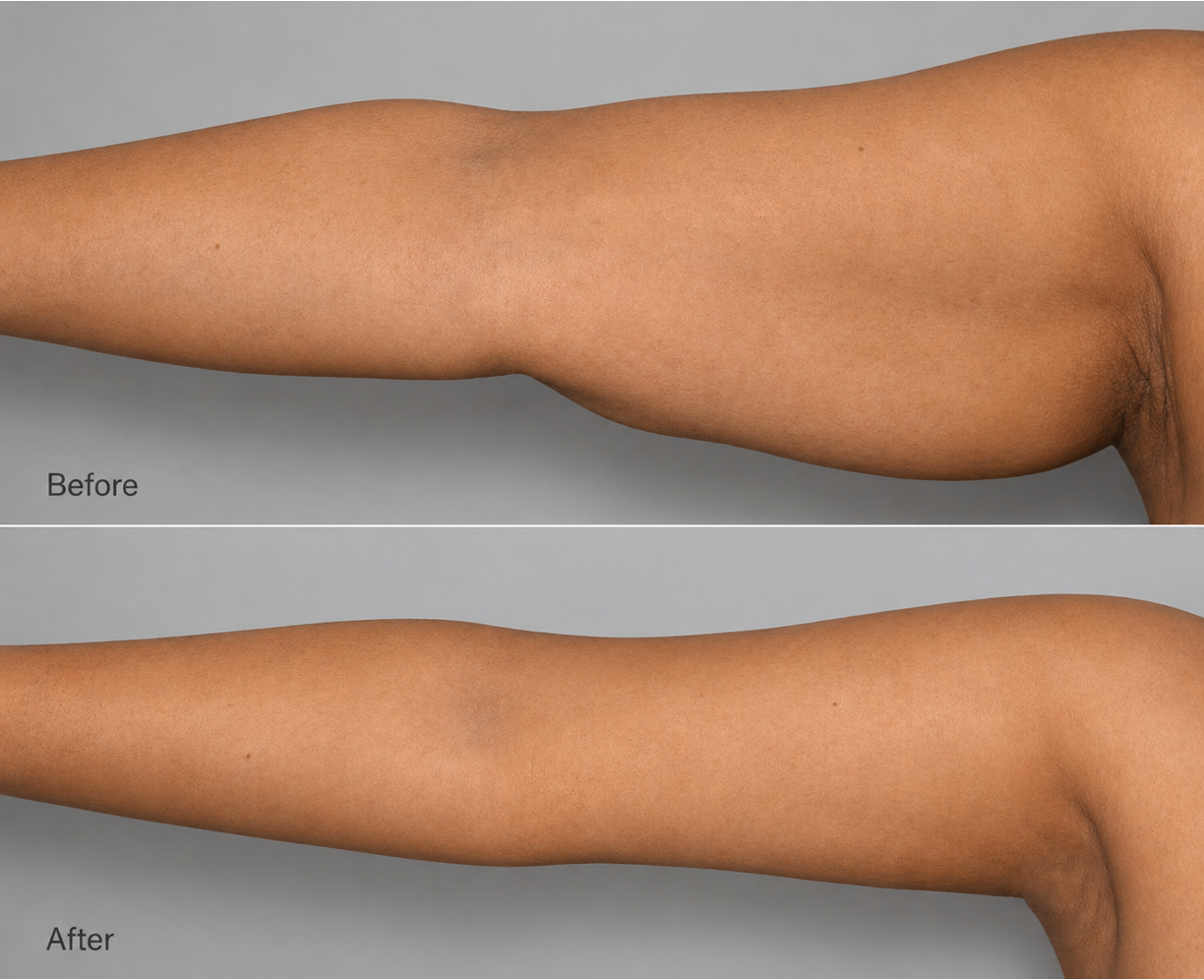
3. Arm Liposuction -Some individuals develop excess fat around the upper arms, making the area appear fuller. Arm liposuction targets selected fat deposits to improve arm contours. Skin elasticity is particularly important when assessing this area because removing fat does not automatically tighten loose skin.
4. Thigh Liposuction -Thigh liposuction may be considered for localised fat around the inner or outer thighs. The treatment plan is designed according to the patient's body proportions and the areas where fat removal may improve overall contour.
5. Back Liposuction - Liposuction can address selected fat deposits around the upper and lower back. Treatment may help reduce localised fullness and create a smoother transition around the waist and torso.
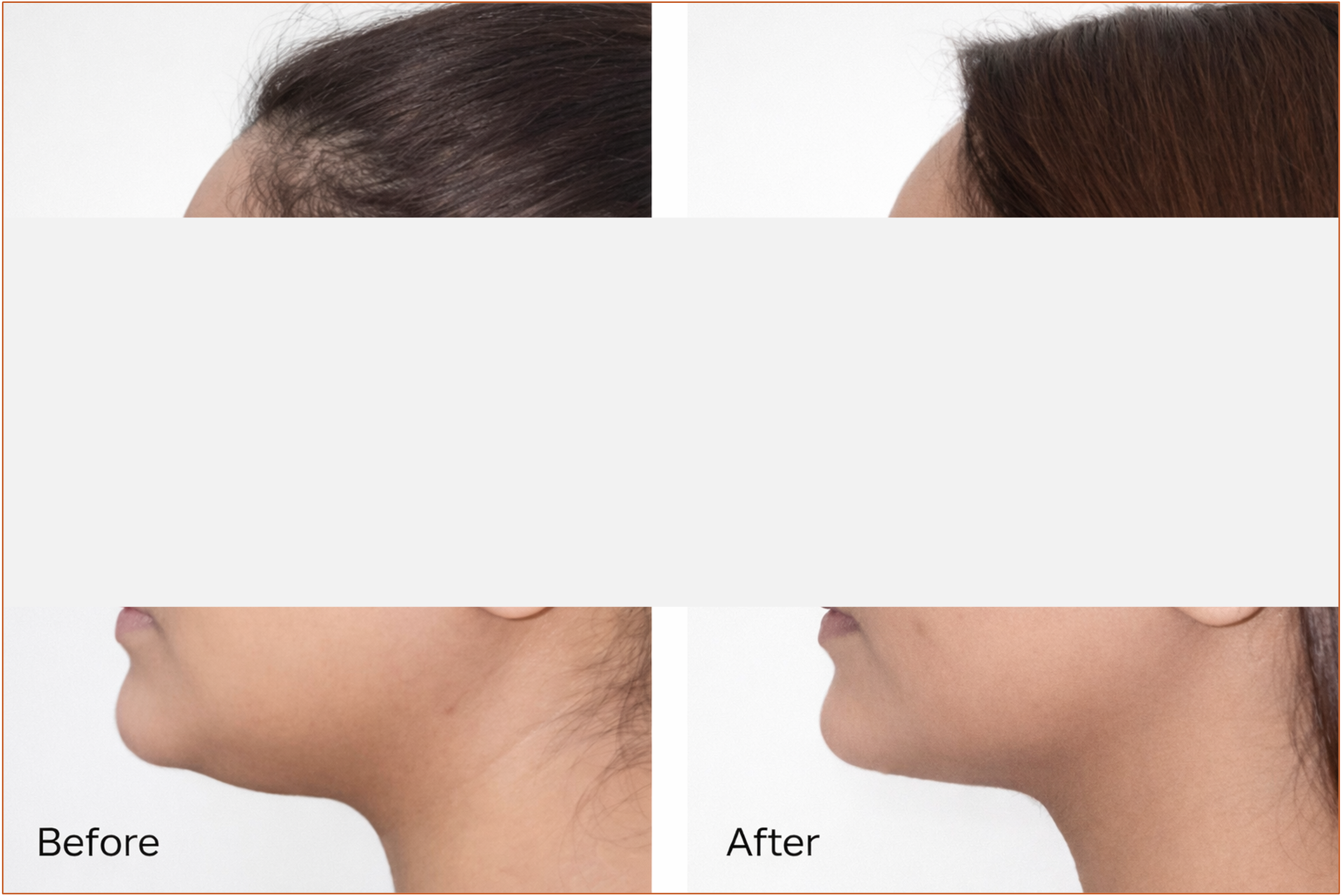
6. Chin and Neck Liposuction -Excess fat beneath the chin can affect the definition of the jawline and neck. Chin or submental liposuction may help reduce this fullness in suitable patients.
7. Male Chest Liposuction -Some men develop excess fat around the chest. Liposuction may be considered when the fullness is primarily related to fat deposits. If enlarged glandular tissue is also present, a different or combined surgical approach may be required.
Who Is an Ideal Candidate for Liposuction?
Liposuction may be suitable for individuals who want to improve specific body areas rather than lose a significant amount of weight.
You may be considered for liposuction if you:
Have localised fat deposits that remain despite diet and exercise.
Are relatively close to your target body weight.
Have reasonably good skin elasticity.
Are in suitable general health for surgery.
Have realistic expectations about the changes the procedure can achieve.
Can follow the recommended recovery and aftercare instructions.
Are willing to maintain a stable weight and healthy lifestyle after surgery.
Liposuction may not be appropriate for everyone. Certain medical conditions, smoking, poor skin elasticity, significant weight fluctuations or other health factors may affect surgical suitability and healing.
A consultation and medical assessment are necessary before deciding whether liposuction is the right option.
What Can Liposuction Do – and What Can It Not Do?
Understanding the purpose and limitations of liposuction is important before considering surgery.
What liposuction can do:
Remove selected localised fat deposits.
Improve the contour of treated body areas.
Reduce fullness around the abdomen, waist, arms, thighs and other suitable areas.
Help create more balanced body proportions.
Address certain fat deposits that are difficult to reduce through lifestyle changes alone.
What liposuction cannot do:
Serve as a primary treatment for obesity.
Replace a balanced diet and regular exercise.
Guarantee a particular body shape or appearance.
Correct significant loose or sagging skin on its own.
Reliably eliminate cellulite or stretch marks.
Prevent future weight gain.
Patients with significant loose skin may require a different procedure, such as a tummy tuck or arm lift, depending on the area involved.
Types of Liposuction Techniques
Different liposuction techniques use different methods to loosen and remove fat. The most appropriate option depends on the treatment area, the amount and distribution of fat, the patient's anatomy and the surgeon's experience. Some commonly described techniques include:
1. Suction-Assisted Liposuction (SAL) -Suction-assisted liposuction uses a thin cannula connected to a suction device. The surgeon moves the cannula through the targeted area to loosen and remove fat.
2. Power-Assisted Liposuction (PAL) -Power-assisted liposuction uses a specialised cannula that produces controlled mechanical movement. This movement helps loosen fat during removal.
3. VASER Liposuction -VASER liposuction uses ultrasound energy to help separate fat cells before they are removed through suction. Its suitability depends on the treatment area and the patient's requirements.
4. Laser-Assisted Liposuction -Laser-assisted liposuction uses laser energy to help disrupt fat before removal. It is a technique with specific indications and should not be considered suitable for every patient.
5. WaterJet-Assisted Liposuction -WaterJet-assisted liposuction uses a controlled stream of fluid to help separate fat tissue before suction removal. This technique, also referred to as Aquashape, is used at The Plastic Surgeons.
The availability of a particular technique does not mean it is suitable for every patient. During consultation, the surgeon can explain which method is appropriate and why.
How Is Liposuction Surgery Performed?
Liposuction is planned according to the patient's treatment goals and the areas being addressed. The general process involves the following stages.
1. Consultation and Body Assessment -The surgeon discusses the patient's concerns, desired changes and medical history. The areas with localised fat deposits are examined, along with skin quality and overall body proportions.
2. Pre-Surgical Evaluation -Medical investigations may be recommended depending on the patient's health and the planned procedure. The surgeon also reviews medications, supplements, allergies and any relevant medical conditions.
3. Marking the Treatment Areas -Before surgery, the areas selected for fat removal may be marked to guide the procedure and help plan the intended contours.
4. Anaesthesia -The type of anaesthesia depends on the treatment area, extent of fat removal and individual clinical requirements. The surgeon and anaesthesia team discuss the appropriate approach.
5. Small Incisions -Small incisions are made near the treatment area to allow the insertion of the liposuction cannula.
6. Fat Removal -A suitable liposuction technique is used to loosen and remove the targeted fat deposits. The surgeon works carefully to achieve balanced contours while considering the surrounding tissues.
7. Dressing and Post-Operative Care -After the procedure, the incision sites are dressed. Compression garments or other supportive measures may be recommended to help manage swelling during recovery. The patient receives instructions regarding medication, wound care, movement restrictions and follow-up appointments.
Liposuction vs Tummy Tuck: What Is the Difference?
Liposuction and tummy tuck surgery are different procedures, although both may be considered by individuals who want to improve abdominal contours.
| Feature | Liposuction | Tummy Tuck |
|---|---|---|
| Main purpose | Removes localised fat deposits | Removes selected excess abdominal skin and may address muscle separation |
| Suitable concern | Stubborn abdominal fat | Loose abdominal skin and certain muscle-related concerns |
| Skin removal | Does not remove significant excess skin | Includes removal of excess skin |
| Muscle repair | Does not routinely repair separated abdominal muscles | May include muscle tightening when indicated |
| Incisions | Usually small incisions | Generally involves a longer lower-abdominal incision |
| Treatment choice | Depends on fat distribution and skin quality | Depends on skin excess, abdominal structure and medical assessment |
Some patients may benefit from liposuction alone, while others may require a tummy tuck or a combination of procedures. The appropriate option can only be determined after an individual assessment.
Patients can also explore the Tummy Tuck Surgery page to understand the procedure in more detail.
Benefits of Liposuction
For appropriately selected patients, liposuction may offer several body-contouring benefits.
Targeted fat removal: Addresses selected areas of localised fat rather than relying on overall weight reduction.
Improved body contours:May help create smoother transitions between treated areas.
Treatment flexibility:Can be planned for different body areas depending on individual requirements.
Small access incisions:Fat is removed through small incisions, although some scarring may still occur.
Personalised treatment planning:The areas and extent of fat removal can be planned according to body structure and aesthetic goals.
The results vary from person to person. The amount of improvement depends on factors such as skin elasticity, fat distribution, surgical planning and healing.
Liposuction Recovery: What to Expect After Surgery
Recovery after liposuction takes place gradually. The experience depends on the number of areas treated, the extent of fat removal, the technique used and the patient's individual healing response.
First few days -Swelling, bruising, soreness and temporary discomfort may occur in the treated areas. Medication may be prescribed to manage discomfort. Patients should follow instructions regarding movement, rest and wound care.
First one to two weeks -Swelling and bruising may gradually improve. Some patients can return to light daily activities depending on the extent of surgery and their recovery. Compression garments may be recommended for a specified period.
Following weeks -The treated areas continue to heal, and swelling gradually reduces. Strenuous exercise, heavy lifting and other activities may need to be restricted until the surgeon advises that they can be resumed.
Following months -Body contours become easier to assess as the remaining swelling settles. The final appearance may take several months to develop.
There is no single recovery timeline that applies to every patient. Follow-up visits help the surgeon monitor healing and advise when normal activities can be resumed.
How Long Do Liposuction Results Last?
Fat cells removed during liposuction do not grow back in the same way as the removed cells. However, the remaining fat cells can increase in size if a person gains weight after surgery.
This means that liposuction results can be long-lasting, but they are not protected against future weight gain or changes in body composition.
To help maintain the results, patients are generally advised to:
Maintain a stable body weight.
Follow a balanced eating pattern.
Stay physically active after recovery.
Attend recommended follow-up appointments.
Follow the surgeon's post-operative guidance.
The outcome also depends on skin elasticity, the extent of treatment and individual healing.
Liposuction Cost in Mumbai
The cost of Liposuction in Mumbai generally ranges from ₹50,000 to ₹2,50,000, depending on the body area being treated, the amount of fat to be removed, the technique used and the overall complexity of the procedure.
The cost may vary for each patient because liposuction is planned according to individual body proportions and treatment goals.
Factors That Affect Liposuction Cost
Treatment area:The cost differs for the abdomen, thighs, arms, back, chin and other areas.
Number of areas:Treating multiple body areas may increase the overall cost.
Technique used: Conventional, power-assisted, VASER or other techniques may have different costs.
Surgeon's fees:The surgeon's experience and the complexity of the procedure influence the price.
Hospital and anaesthesia charges:Facility, operating theatre, anaesthesia and post-operative care are also considered.
The final cost of liposuction is determined after a physical examination and consultation with the surgeon. At The Plastic Surgeons, patients can discuss their concerns with Dr. Vinay Jacob and receive a personalised treatment plan with a detailed cost estimate.
Risks and Possible Complications of Liposuction
Liposuction is a surgical procedure and, like other surgeries, carries potential risks. Understanding these risks is an important part of informed decision-making.
Possible complications include:
Swelling and bruising.
Pain or temporary discomfort.
Temporary numbness or changes in skin sensation.
Infection.
Fluid accumulation beneath the skin.
Bleeding or delayed healing.
Visible or raised scars.
Uneven contours or asymmetry.
Changes in skin appearance.
Complications related to anaesthesia.
Rare but serious complications, including blood clots or fat embolism.
The likelihood of complications depends on the patient's health, the extent of surgery and other clinical factors. A detailed consultation helps identify relevant risks and determine whether the procedure is appropriate.
Patients should discuss their medical history, medications, smoking status and expectations openly with the surgeon before proceeding.
WaterJet-Assisted Liposuction (Aquashape)
WaterJet-assisted liposuction is a technique that uses a controlled stream of fluid to help separate fat tissue before it is removed through suction.
This technique, also referred to as Aquashape, is offered at The Plastic Surgeons and may be considered as part of a body-contouring plan when clinically appropriate.
One potential application of harvested fat is fat transfer, in which collected fat may be processed and used in another area of the body. However, not all patients are suitable for fat transfer, and the quality and suitability of harvested fat depend on several factors.
The choice of technique should be based on the patient's anatomy, treatment goals and the surgeon's assessment. Patients can discuss the availability, suitability, expected benefits and limitations of WaterJet-assisted liposuction during consultation.
Why Consider The Plastic Surgeons for Liposuction in Mumbai?
Choosing a surgeon for body-contouring surgery involves more than selecting a procedure. It is important to understand the surgeon's qualifications, experience, approach to treatment planning and the medical support available.
At The Plastic Surgeons in Bandra West, Mumbai, patients can discuss their body-contouring concerns with Dr. Vinay Jacob and understand the available surgical options.
The consultation should cover:
Assessment of the areas where fat removal may be appropriate.
Review of medical history and general health.
Discussion of realistic surgical outcomes.
Explanation of the recommended technique and alternatives.
Review of possible risks and recovery requirements.
Personalised treatment planning and follow-up guidance.
Patients are encouraged to ask questions and understand the procedure before making a decision.
Book a Liposuction Consultation in Mumbai
If you have stubborn fat deposits that remain despite maintaining a healthy lifestyle, liposuction may be an option worth discussing with a qualified plastic surgeon.
At The Plastic Surgeons, Mumbai, Dr. Vinay Jacob can assess your concerns, explain the available body-contouring options and help determine whether liposuction is appropriate for your goals.
To learn more about Liposuction in Mumbai, schedule a consultation and discuss your treatment options, expected recovery, potential risks and personalised cost estimate.
The Plastic Surgeons
503, Sagar Fortune Building, Waterfield Road, Bandra West, Mumbai, Maharashtra 400050
Phone: +91-9004078509
Frequently Asked Questions About Liposuction in Mumbai
1. What is the cost of liposuction in Mumbai?
The cost of liposuction in Mumbai depends on the number of areas treated, the amount of fat removed, the technique used, anaesthesia requirements and facility charges. A personalised estimate can be provided after a consultation and assessment.
2. Which body areas can be treated with liposuction?
Liposuction may be performed on areas such as the abdomen, waist, flanks, thighs, arms, back, chin and selected areas of the chest. The suitable treatment areas depend on the patient's anatomy and surgical assessment.
3. Is liposuction a weight-loss procedure?
No. Liposuction is primarily a body-contouring procedure designed to remove localised fat deposits. It is not intended to treat obesity or replace diet, exercise or medically supervised weight-management treatment.
4. Who is an ideal candidate for liposuction?
Individuals who are relatively close to their target weight, have localised fat deposits, are in suitable general health and have realistic expectations may be considered. Skin elasticity and medical history are also important factors.
5. Are liposuction results permanent?
Fat cells removed during liposuction do not return in the same way, but remaining fat cells can enlarge with weight gain. Maintaining a stable weight and healthy lifestyle helps preserve the results.
6. How long does it take to recover after liposuction?
Recovery varies depending on the treatment area and extent of surgery. Some patients resume light activities within a short period, while swelling and healing continue over several weeks or longer. The surgeon will provide an individual recovery plan.
7. Does liposuction tighten loose skin?
Liposuction removes fat but does not reliably tighten significant loose skin. Patients with considerable skin laxity may need another procedure, such as a tummy tuck or arm lift, depending on the area.
8. What is the difference between liposuction and tummy tuck surgery?
Liposuction removes localised fat deposits, whereas a tummy tuck removes selected excess abdominal skin and may include tightening separated abdominal muscles. The suitable procedure depends on the patient's concerns and examination findings.
9. Is liposuction suitable for men?
Yes. Men may be considered for liposuction when they have localised fat deposits in areas such as the abdomen, waist, back or chest. The treatment plan depends on the underlying cause of fullness and individual suitability.
10. Does liposuction leave scars?
Liposuction requires small incisions through which the cannula is inserted. These incisions may leave small scars, although their visibility varies depending on incision placement, healing and individual skin characteristics.
11. What are the risks of liposuction?
Potential risks include swelling, bruising, infection, fluid accumulation, temporary numbness, contour irregularities, scarring and anaesthesia-related complications. Rare but serious complications can also occur. The surgeon should explain the risks relevant to each patient.
12. When can I see the final results of liposuction?
Some changes may become noticeable as early swelling reduces, but the final body contours take time to develop. The appearance is generally assessed over the following months as healing progresses.
 Call
 WhatsApp