Best Plastic Surgeon for Calf Implants or Lower Leg Plastic Surgery
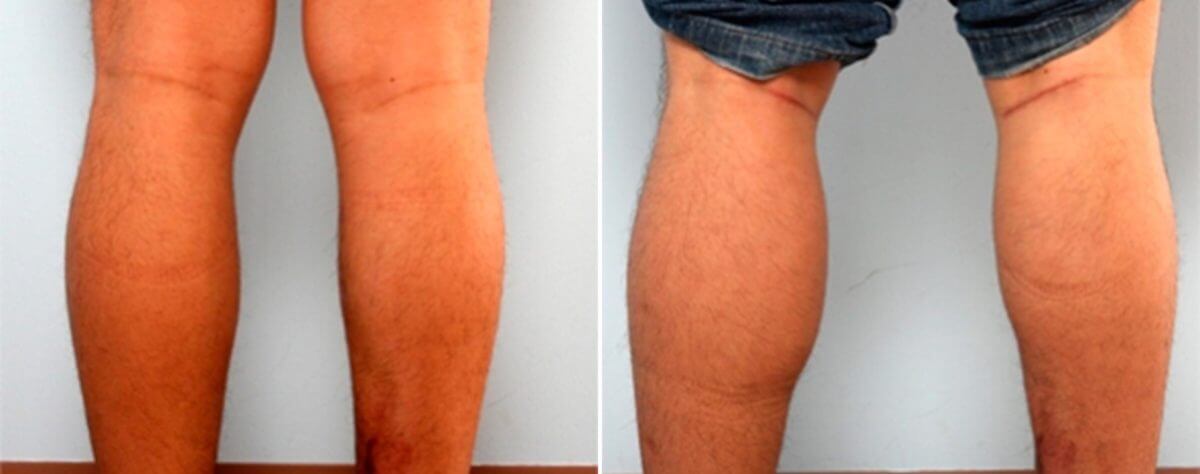
Calf muscles are responsible for giving the legs the most definition. Having defined, proportionate, and muscular calves gives the legs a nice shape. India's calf augmentation process includes calf implants. These implants are used to reshape the lower leg, which increases muscle definition and volume in the calves. Women and men can both have calf implants. In addition to cosmetic purposes, calf implants can also be used for reconstructive purposes. By using this method, the lower portion of the by is enhanced.
What are Calf Implants?
A silicone-based product is used in calf implants to enhance the calf area. Plastic surgeons are the only ones who can perform calf augmentation surgeries. Calf implants might be right for you if you're concerned about the appearance of your lower legs. It is also possible for people with injuries or disabilities to undergo this type of surgery. When it comes to calf implants, men and women are treated equally.
Types of Implants used for Calf Implants
Types of Implants used for Calf Implants
Gel-filled silicone implants: Calf implants made from silicone gel are available in symmetrical sizes and are generally preferred for cosmetic applications. As these implants use a cohesiveve gel, leakage is eliminated.
Silicone implants: :In certain cases, patients can feel these implants, depending on where they are placed. A patient can customize and carve these according to his or her preferences. Carves are given greater definition with these.
About The Calf Augmentation Procedure
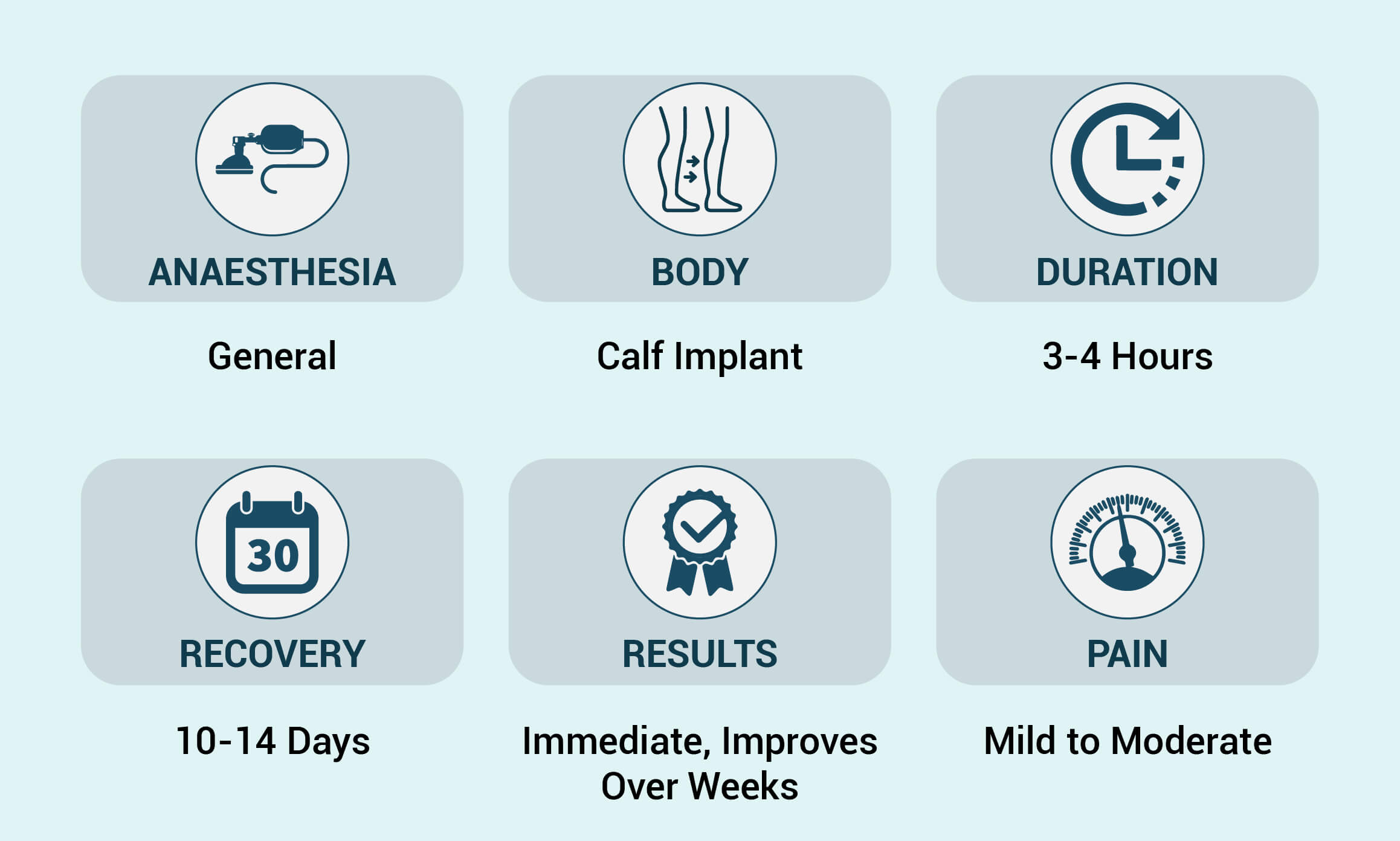
Anesthesia is administered as the first step. Local anesthesia is generally preferred over intravenous sedation. Depending on the reason for the procedure, the type of implant is chosen beforehand. Dr. Vinay Jacob takes measurements to determine the implant size A prone position (face down) is used throughout the surgery. Just under the knee, an incision is made through the skin and connective tissue covering the gastrocnemius muscle. In order to insert the implant, a small pocket is made between the connective tissue and the muscle. The leg is examined and sutured after insertion.
Recovery and results:
When the anesthesia wears off, you may have some pain. You will also have some redness and swelling after the surgery. You can expect to walk stiffly for the first week or so, but you are encouraged to gradually walk greater distances.
Normal walking starts to return during the second and third week after surgery. Activities such as running, biking, weight-lifting should be avoided until one or two months after surgery. Full return to normal activities usually occurs after four to six weeks.
Under normal circumstances, the results of your calf augmentation surgery will be long-lasting. Fortunately, significant complications from calf implants are infrequent. Your specific risks for calf implants will be discussed during your consultation.
FAQs
1. What is calf implant surgery?
Calf implant surgery enhances the shape and size of the lower legs by placing silicone implants into the calf muscles. It helps create a more balanced and defined leg contour for both cosmetic and reconstructive purposes.
2. Who is an ideal candidate for calf implant surgery?
Ideal candidates are adults with fully developed muscles who want better calf definition and have realistic expectations. Being in good overall health and having good skin elasticity can help achieve smoother recovery and results.
3. What can I expect during the recovery process?
After surgery, mild swelling, bruising, and tenderness may occur for a few weeks. Most patients can walk carefully soon after the procedure, while full exercise and intense activity are resumed gradually.
4. Are there risks or complications with calf implant surgery?
As with any surgical procedure, risks may include infection, asymmetry, or implant shifting. Choosing an experienced surgeon and following proper aftercare can help reduce these risks.
5. How long do the results of calf implant surgery last?
Results are generally long-lasting because the implants remain in place permanently. Procedures such as Calf Implants Surgery or Lower Leg Plastic Surgery in Mumbai, performed by surgeons like Dr. Vinay Jacob, aim to provide stable and natural-looking leg contours over time.
 Call
Call
 WhatsApp