Written and medically reviewed by Dr. Vinay Jacob, MS, MCh, DNB
Member, Indian Association of Aesthetic Plastic Surgeons (IAAPS)
Medical review: April 2, 2026 | Last updated: April 2, 2026 | Editorial policy
Liposuction Surgery in Mumbai
Liposuction surgery is one of the most sought-after procedures for those looking to reshape their bodies and remove stubborn fat deposits. This surgery is designed to target and eliminate fat in specific areas of the body that resist diet and exercise. While liposuction can dramatically enhance body contours, it’s essential to understand how to prepare for the procedure, manage recovery, and maintain the results. This blog will guide you through everything you need to know about liposuction, from preparation to recovery and long-term maintenance.
How Liposuction Works
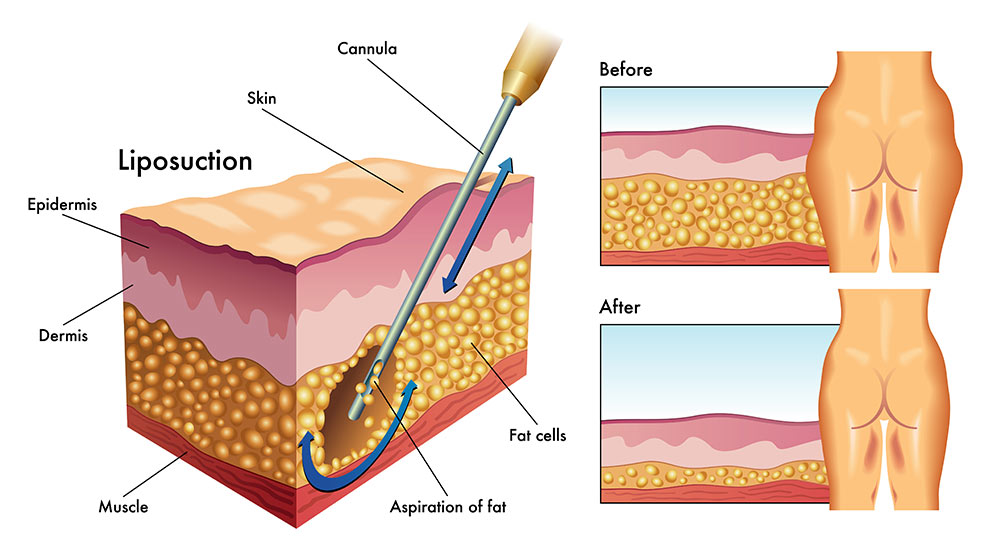
Liposuction is a cosmetic surgery that removes excess fat from areas like the abdomen, thighs, arms, and hips. Using a small, hollow tube called a cannula, a surgeon suctions out fat through small incisions. Liposuction can be performed using different techniques, including tumescent liposuction, ultrasound-assisted liposuction, and laser-assisted liposuction. The right method for you will depend on your body type, health, and desired outcome.
While liposuction is not a weight-loss method, it’s ideal for those who are at or near their ideal weight but struggle with fat pockets that won’t go away. It can enhance your body shape and boost self-confidence.
Preparing for Liposuction Surgery
The preparation process for liposuction is crucial to ensure a smooth and successful surgery. Here’s how to get ready:
- Consultation with Your Surgeon
Your journey begins with an in-depth consultation with a board-certified plastic surgeon, like Dr. Vinay Jacob. During this consultation, you’ll discuss your goals, expectations, and medical history. Your surgeon will assess your body’s condition and decide if you’re a suitable candidate for the procedure. - Pre-Operative Instructions
Once you’re cleared for surgery, your surgeon will provide a set of pre-operative instructions. These may include:- Avoiding smoking and alcohol for a certain period before surgery to promote healing.
- Stopping certain medications like blood thinners, which may increase the risk of bleeding.
- Preparing a post-surgery care plan, including arranging for someone to drive you home after the procedure.
- Setting Realistic Expectations
It’s important to have realistic expectations for your results. While liposuction can significantly improve the shape of your body, it’s not a solution for overall weight loss. Focus on areas where you want to contour and create a more balanced look. - Healthy Habits
Prior to your surgery, maintain a healthy diet and exercise routine. Being in good overall health will support your recovery process and ensure the best results.
What to Expect During the Surgery
Liposuction is typically performed under general anesthesia or local anesthesia with sedation. The type of anesthesia depends on the extent of the surgery and the areas being treated. The surgery itself can last anywhere from one to several hours, depending on the number of areas treated.
During the procedure, your surgeon will make small incisions in the targeted areas. A tumescent fluid (a mixture of saline, lidocaine, and epinephrine) may be injected into the fat to reduce bleeding and make the fat easier to remove. The surgeon will then use the cannula to break up and suction out the fat cells.
Recovering After Liposuction Surgery
Recovery after liposuction is a gradual process, and while it’s generally less painful than other major surgeries, it still requires proper care and attention. Here’s what to expect:
- Post-Operative Care
After surgery, you will likely experience some swelling, bruising, and soreness in the treated areas. Your surgeon will provide you with specific instructions on how to manage these symptoms, including:- Wearing compression garments to reduce swelling and support your body as it heals.
- Taking prescribed medications for pain and to prevent infection.
- Avoiding strenuous activities for several weeks to allow your body to heal properly.
- Initial Healing
You will notice some immediate results, but the final shape of your body will take a few months to fully emerge. Swelling will peak within the first few days and may persist for several weeks, but most patients can return to normal activities within 1 to 2 weeks, depending on the extent of the surgery. - Managing Pain and Discomfort
Mild to moderate discomfort is normal after liposuction, and your surgeon will provide guidelines on managing it. You may be prescribed pain relievers to help you through the recovery phase. Staying hydrated and resting as needed will aid in the healing process. - Follow-Up Appointments
Regular follow-up appointments with your surgeon will be essential to monitor your recovery and address any concerns. Your surgeon will ensure that your healing process is on track and provide additional care recommendations if needed.
Maintaining Results from Liposuction
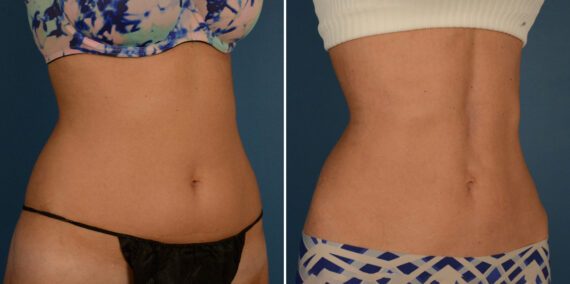
After your liposuction procedure, it’s important to maintain a healthy lifestyle to preserve the results and ensure long-term success. Here are some tips for maintaining your results:
- Healthy Diet
Eating a balanced diet rich in fruits, vegetables, lean proteins, and whole grains will help you maintain your weight and prevent new fat deposits from forming. Avoid processed foods and high-fat meals to maintain your body’s shape. - Regular Exercise
Engaging in regular exercise, including both cardio and strength training, will help you maintain muscle tone and prevent fat from accumulating in the areas that were treated. Aim for at least 30 minutes of exercise most days of the week. - Stay Hydrated
Drinking plenty of water is crucial for maintaining healthy skin and overall body function. Hydration helps with the elasticity of your skin, which can aid in the healing process and prevent sagging after liposuction. - Avoid Significant Weight Gain
While liposuction removes fat cells from specific areas of the body, it doesn’t prevent the formation of new fat cells. Therefore, maintaining a stable weight is essential to keep your results intact. - Skin Care
Follow your surgeon’s advice on skincare to help your skin tighten after surgery. If you notice any unusual skin changes or irregularities, reach out to your surgeon promptly.
FAQs About Liposuction
1. Will liposuction help me lose weight?
Liposuction is not a weight-loss procedure but rather a body-contouring method. It is designed to remove stubborn fat deposits that don’t respond to diet and exercise.
2. How long will the results last?
Liposuction results can be long-lasting, as fat cells are permanently removed. However, if you gain significant weight, the remaining fat cells may enlarge, affecting your body shape.
3. Can liposuction be performed on multiple areas at once?
Yes, liposuction can be performed on multiple areas of the body during a single surgery. However, the extent of the procedure depends on your overall health and the areas treated.
4. Is liposuction painful?
While liposuction involves some discomfort, it is generally well-tolerated. Most patients experience mild to moderate soreness, swelling, and bruising after surgery, but these symptoms can be managed with medication and rest.
5. When can I return to work after liposuction?
The recovery time varies from person to person, but many patients can return to work within 1-2 weeks, depending on the extent of the procedure and their individual healing process.
Conclusion
Liposuction can be a life-changing procedure that enhances your body’s contours and boosts your confidence. However, achieving the best results requires proper preparation, a smooth recovery process, and a commitment to maintaining a healthy lifestyle. If you are considering liposuction, it’s essential to consult with a qualified surgeon like Dr. Vinay Jacob, who can guide you through every step of the journey. By understanding how to prepare, recover, and maintain your results, you can enjoy the benefits of liposuction for years to come.
Why consider Dr. Vinay Jacob for this treatment?
Dr. Vinay Jacob is a senior plastic and reconstructive surgeon with MS, MCh and DNB qualifications and international training. His training supports individualized body-contouring assessment, proportion-based planning, and careful discussion of risks and recovery.
Learn more about body contouring services at The Plastic Surgeons. Read related guidance: Mini Tummy Tuck vs Full Tummy Tuck: Which Is Right for You? and Liposuction vs CoolSculpting: Which Fat Reduction Treatment Works Better?.