Written and medically reviewed by Dr. Vinay Jacob, MS, MCh, DNB
Member, Indian Society of Reconstructive Microsurgery (ISRM)
Medical review: March 23, 2026 | Last updated: March 23, 2026 | Editorial policy
Gender reassignment surgery (GRS) plays a crucial role in the lives of transgender individuals. As an essential component of transgender healthcare, it provides both physical and emotional benefits, helping individuals align their bodies with their gender identity. Understanding the importance of GRS goes beyond the procedure itself; it is part of a broader context of inclusivity, mental well-being, and individual rights. This blog will delve into why gender reassignment surgery is a vital step in transgender healthcare, exploring its impact on mental health, physical well-being, and the overall quality of life.
What is Gender Reassignment Surgery?
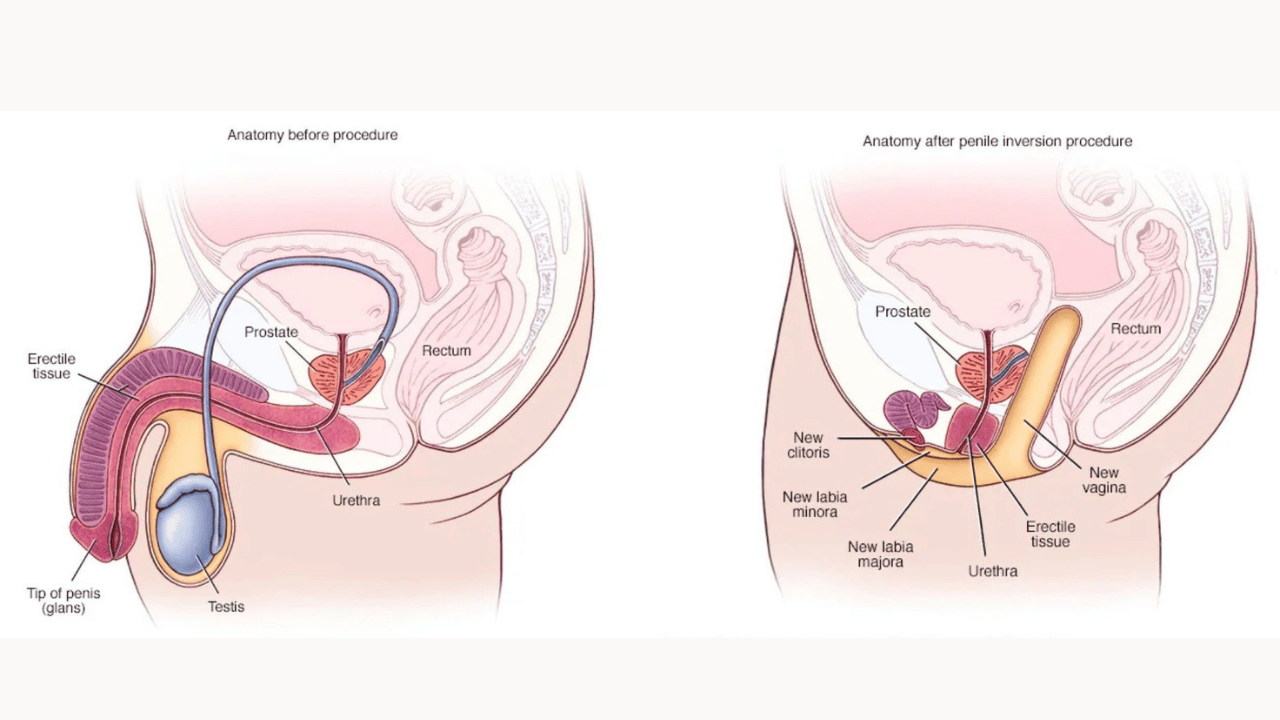
Gender reassignment surgery, also known as gender confirmation surgery or sex reassignment surgery, refers to a medical procedure that changes an individual’s physical sex characteristics to align with their gender identity. For transgender individuals, GRS is an essential step in their transition process, helping them achieve the body that reflects their gender identity. This surgery may involve genital reconstruction, breast augmentation, or facial surgeries, depending on the individual’s goals and needs.
The procedure is tailored to each person, ensuring the best possible results based on the unique aspects of their transition.
The Emotional and Psychological Benefits
For many transgender individuals, gender reassignment surgery is a key factor in alleviating gender dysphoria, the psychological distress caused by the disconnect between their gender identity and physical appearance. Living with gender dysphoria can lead to severe emotional and mental health issues, including anxiety, depression, and suicidal thoughts.
Gender reassignment surgery provides significant relief by enabling individuals to feel at peace with their bodies. This sense of alignment often improves self-esteem, mental health, and overall quality of life. Studies have shown that individuals who undergo GRS experience a dramatic reduction in anxiety and depression symptoms, with many reporting an increased sense of happiness and well-being after the procedure.
Why Gender Reassignment Surgery is Essential for Transgender Healthcare

- Psychological Well-Being: As mentioned, GRS is integral in addressing gender dysphoria. It helps individuals feel comfortable in their own skin, promoting psychological well-being. Without the surgery, many transgender people may continue to experience distress, potentially leading to mental health problems.
- Improved Quality of Life: Research indicates that gender reassignment surgery is associated with an improvement in the overall quality of life. This includes higher levels of satisfaction with one’s body image, social interactions, and physical health. For many, it is the final step in a journey towards feeling fully comfortable with their gender identity.
- Social and Family Acceptance: For many transgender individuals, transitioning and undergoing gender reassignment surgery leads to greater social and family acceptance. Being able to physically reflect their gender identity allows them to feel more integrated into society, which can reduce feelings of isolation or discrimination.
- Increased Confidence and Self-Esteem: After undergoing gender reassignment surgery, many transgender people report a sense of renewed confidence. When a person’s physical appearance aligns with their gender identity, it allows them to be more open about their true self without fear of judgment, which can positively impact their self-esteem.
- Health Benefits: Gender reassignment surgery can also have important health benefits. For example, genital reconstruction can help eliminate discomfort or pain experienced by some transgender women. Additionally, breast augmentation can alleviate dysphoria associated with having a flat chest, which is a common concern for transgender men.
The Role of Skilled Surgeon: Dr. Vinay Jacob
When considering gender reassignment surgery, it is essential to choose experienced and compassionate surgeons who understand the needs of transgender patients. Dr. Vinay Jacob are among the best plastic surgeons in the field, offering world-class gender affirmation surgeries.
With years of international experience, they combine their expertise with a deep understanding of the emotional and psychological journey that transgender individuals face. Their patient-centric approach ensures that each procedure is tailored to meet the unique needs and desires of their patients, offering both surgical and non-surgical solutions.
At their state-of-the-art facilities, patients can expect the highest standards of care and a commitment to ensuring a smooth transition process. Whether it’s gender reassignment surgery, hair transplant, liposuction, or breast augmentation, Dr. Jacob and Dr. Magdum offer exceptional services backed by years of experience.
Surgical Options Available
- Genital Reconstructive Surgery: This involves altering the genitalia to resemble that of the individual’s gender identity. For transgender women, this may include penile inversion surgery or vaginoplasty. For transgender men, it might involve phalloplasty or metoidioplasty.
- Breast Augmentation or Removal: Many transgender women opt for breast augmentation to achieve a more feminine chest shape. Transgender men may undergo chest masculinization, often referred to as a double mastectomy, to remove breast tissue and create a masculine chest.
- Facial Gender Confirmation Surgery: This includes surgeries that alter facial features to appear more aligned with one’s gender identity, such as brow lifts, rhinoplasty, and jaw contouring.
- Body Contouring and Liposuction: Some individuals may also choose body contouring procedures like liposuction to achieve a more desired body shape. These procedures can enhance the overall satisfaction with one’s physical appearance.
The Importance of Mental Health Support
While gender reassignment surgery is crucial for many transgender individuals, it is not the only aspect of their transition. Psychological support is just as essential throughout the process. Pre-surgery counseling helps individuals prepare for the emotional and mental changes that come with the procedure, and post-surgery therapy can help with the adjustment phase.
Transgender individuals may face challenges in their transition, and having access to supportive mental health resources can make a significant difference in their overall well-being. Access to a supportive therapist or counselor specializing in transgender healthcare can help individuals navigate the complex emotions involved in their transition.
Overcoming Barriers to Gender Reassignment Surgery

While GRS is vital for many individuals, barriers such as financial costs, societal stigma, and limited access to healthcare can prevent some from undergoing surgery. It is essential that governments, healthcare providers, and communities work together to make GRS more accessible and affordable. Advocacy for equal rights and healthcare access for transgender individuals is an important part of improving transgender healthcare overall.
Frequently Asked Questions (FAQs)
1. What are the benefits of gender reassignment surgery?
Gender reassignment surgery helps align one’s physical appearance with their gender identity, relieving gender dysphoria, improving mental health, and increasing self-confidence.
2. How long is the recovery time after gender reassignment surgery?
The recovery time varies depending on the procedure. Typically, most individuals need 6-12 weeks for full recovery, although some people may take longer. Post-surgery care and follow-up appointments are essential for a smooth recovery.
3. Does gender reassignment surgery affect fertility?
Yes, gender reassignment surgery can affect fertility, particularly for individuals undergoing genital reconstructive surgeries. It is important to discuss fertility preservation options before surgery with your healthcare provider.
4. Is gender reassignment surgery covered by insurance?
Coverage for gender reassignment surgery varies by country and insurance provider. It is important to check with your insurance company to understand what is covered under your plan.
5. How do I know if gender reassignment surgery is right for me?
It’s important to consult with experienced healthcare professionals who specialize in transgender care. They will guide you through the process, discuss your options, and help determine if GRS aligns with your goals.
Gender reassignment surgery is more than just a medical procedure; it is a life-changing decision that can significantly improve a transgender person’s mental health, physical well-being, and overall quality of life. By choosing skilled professional like Dr. Vinay Jacob, transgender individuals can embark on their transformation journey with confidence and the assurance that they are in capable hands.
Ultimately, gender reassignment surgery is an integral part of transgender healthcare, offering individuals the opportunity to feel comfortable in their bodies and live authentically. It is a vital step in affirming one’s identity and achieving a fulfilling life.
Why consider Dr. Vinay Jacob for this treatment?
Dr. Vinay Jacob is a senior plastic and reconstructive surgeon with MS, MCh and DNB qualifications and international training. His aesthetic and reconstructive training supports careful, individualized assessment.
Learn more about Dr. Vinay Jacob’s profile at The Plastic Surgeons.