Written and medically reviewed by Dr. Vinay Jacob, MS, MCh, DNB
Member, Indian Association of Aesthetic Plastic Surgeons (IAAPS)
Medical review: March 16, 2026 | Last updated: March 16, 2026 | Editorial policy
Tattoos are a form of self-expression, but sometimes, personal circumstances or changing preferences lead people to reconsider their ink. Whether it’s a relationship that ended or a design that no longer feels right, the demand for tattoo removal has grown over the years. However, when considering tattoo removal in Mumbai, many people are unsure about the cost and duration involved in the process. This blog dives into the key factors that affect the price and time it takes to remove a tattoo, offering valuable insights to guide your decision-making.
Factors Affecting the Cost of Tattoo Removal
Tattoo Size
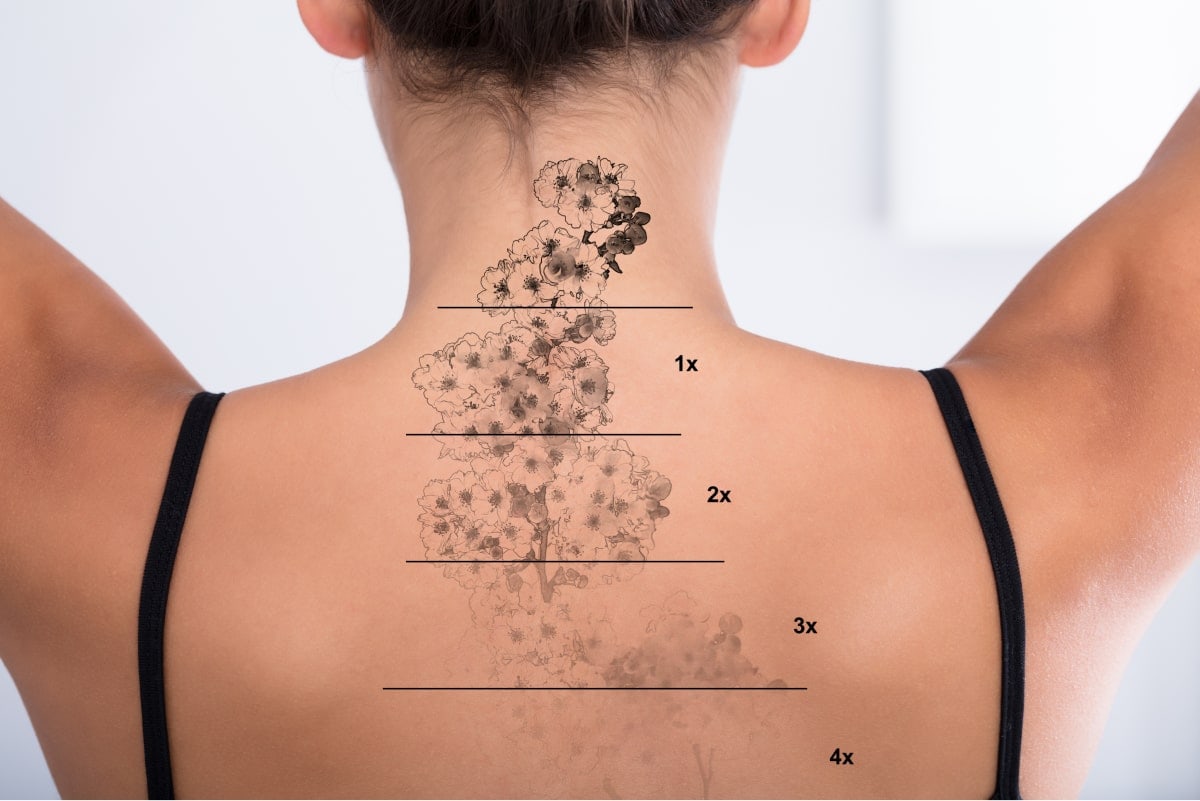
One of the primary factors influencing the cost of tattoo removal is the size of the tattoo. Larger tattoos require more sessions and a greater amount of time to remove. Each session focuses on gradually breaking down the ink particles in the skin, so bigger tattoos naturally take longer to treat. For example, a small tattoo on your wrist will cost significantly less and require fewer sessions than a large back or chest piece. Therefore, before undergoing removal, it’s essential to understand how the size of your tattoo will impact both cost and treatment time.
Tattoo Location
The location of the tattoo on your body can affect the cost. Areas with thicker skin, like the back or upper arms, may take more sessions to treat effectively, resulting in higher costs. On the other hand, areas with thinner skin, such as the wrists or ankles, may require fewer sessions. Tattoos on areas that are more difficult to reach or have a lot of body hair (like the scalp or chin) could also require extra attention, potentially increasing the overall cost of removal.
Tattoo Colors
The type of ink used in a tattoo can significantly impact the removal process. Darker colors, such as black, are generally easier to remove as they absorb light more effectively during laser treatments. However, colorful tattoos with hues like green, blue, and yellow often require additional sessions, as the laser may have difficulty targeting certain pigments. A consultation with a professional can give you a clearer idea of the challenges based on your tattoo’s color palette.
Skin Type and Tone
Your skin type and tone play a crucial role in determining how effectively your tattoo can be removed. People with lighter skin tend to respond better to laser treatments because the contrast between the tattoo ink and the skin makes it easier to target the pigments. Darker skin tones, however, may require more advanced laser technology to minimize the risk of pigmentation changes or scarring. This can result in slightly higher costs as specialized equipment may be required for effective treatment.
Removal Method
Various methods exist for tattoo removal, with laser removal being the most common and effective. However, there are different types of laser treatments, such as Q-switched lasers, which can affect the cost. More advanced technologies, such as PicoSure, may increase the cost due to their faster healing times and ability to target a broader range of pigments. Non-laser methods like dermabrasion or surgical removal are also options, but these tend to be less commonly used and may involve more recovery time and risks. Laser removal remains the gold standard, as it is the most efficient and safest method.
Number of Sessions Needed
Tattoo removal is rarely a one-session process. Depending on the factors mentioned above, such as the size, color, and depth of the tattoo, multiple sessions may be required to achieve satisfactory results. Each session may cost anywhere from INR 2,000 to INR 10,000, depending on the clinic’s pricing model and location. Typically, tattoos require anywhere from 5 to 15 sessions spaced about 6 to 8 weeks apart. This is because the body needs time to process and eliminate the ink particles after each session.
Clinic and Doctor Expertise
The cost of tattoo removal can vary significantly depending on the clinic and the expertise of the doctor performing the procedure. Clinics that use advanced equipment and highly trained professionals may charge more, but they offer better results and a lower risk of complications. Always check the credentials of the surgeon or technician performing the procedure. Reputable professional like Dr. Vinay Jacob, renowned plastic surgeon in Mumbai, bring years of experience and international exposure to ensure the best outcomes for his patients. Choosing a well-established clinic might seem more expensive upfront, but it ensures a safer procedure and better long-term results.
Duration of Tattoo Removal: What You Need to Know
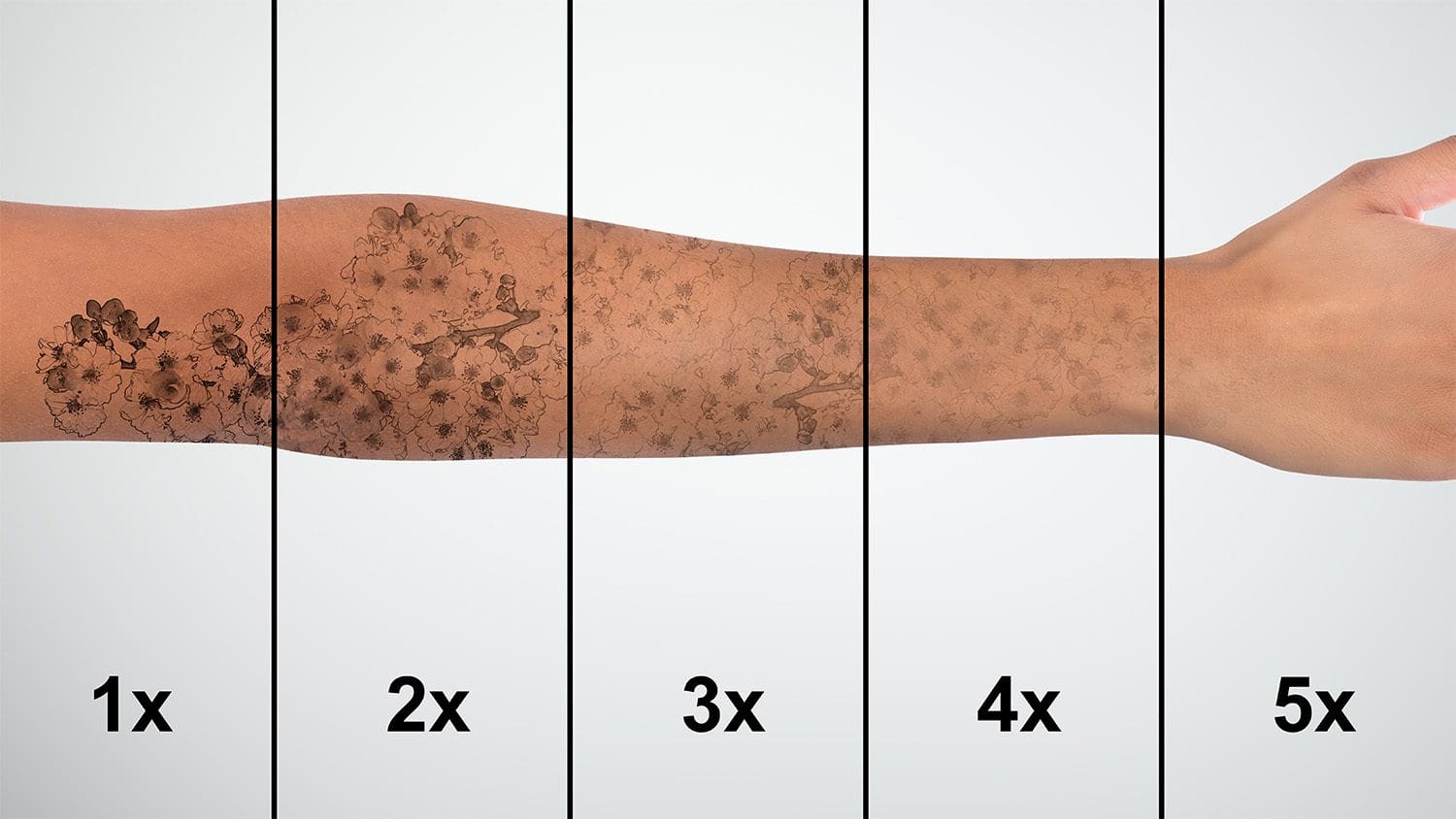
Laser Treatment Sessions
The duration of each session typically lasts anywhere from 15 to 45 minutes, depending on the tattoo’s size and location. Smaller tattoos take less time, while larger ones require more extensive treatment. It’s important to note that tattoo removal is not a quick process. The laser targets the ink particles in your skin, breaking them down and allowing your immune system to naturally eliminate them. This process takes time, and you must space the sessions several weeks apart to allow your skin to heal and avoid damaging the surrounding tissues.
Healing Time Between Sessions
After each session, your skin will need to heal. Healing time varies based on factors such as the type of tattoo, your skin’s healing ability, and the method of removal used. On average, it takes 6 to 8 weeks for the skin to heal sufficiently before the next session can be scheduled. During this time, you may experience some redness, swelling, and mild scabbing, but these symptoms typically subside within a few days. It’s essential to follow the aftercare instructions given by your doctor to ensure minimal scarring and optimal results.
Overall Removal Time
For most tattoos, the entire removal process may take several months to over a year, especially for larger or more colorful tattoos. A quick removal isn’t possible because the laser gradually breaks down the ink, and the process cannot rush.
Typically, if your tattoo is large or uses multiple colors, you can expect to spend between 6 months and a year undergoing treatment to fully remove the tattoo. Smaller tattoos may require fewer sessions, leading to a shorter overall timeline.
Tattoo Fading vs. Complete Removal
Some patients may be content with significant fading rather than complete removal, especially for tattoos that are difficult to fully eliminate. If you are not concerned about erasing every trace of the tattoo but just want to lighten it, fewer sessions may be needed, and the process will take less time.
FAQs
- Is tattoo removal painful? Most people describe tattoo removal as uncomfortable rather than extremely painful. The laser treatment often compares the sensation to the feeling of a rubber band snapping against the skin. Doctors typically use numbing creams to minimize discomfort.
- Can you remove all tattoos? You can remove nearly all tattoos, but the ease of removal depends on the tattoo’s size, color, location, and depth. Light-colored tattoos, for example, may be more challenging to remove than dark ones.
- Are there any risks associated with tattoo removal? While rare, risks include scarring, skin discoloration, and infection. Choosing a skilled professional with experience in tattoo removal helps minimize these risks.
- How long does it take to see results from tattoo removal? Results can begin to show after the first few sessions, but significant fading or complete removal usually takes several months of treatment. Consistency is key.
- Can I get a tattoo again after removal? Once your tattoo has been fully removed, your skin should be able to accept a new tattoo. However, it’s important to wait until your skin has completely healed before getting another tattoo in the same area.
Tattoo removal is a process that requires time, patience, and investment. The cost and duration can vary based on multiple factors, from the size and location of the tattoo to the type of treatment you choose. While it may take several months or even years to fully remove a tattoo, opting for professional treatment from expert like Dr. Vinay Jacob ensures that you receive the best care and optimal results.
Remember, before making any decisions, consult with a professional to evaluate your unique situation and determine the most suitable approach.
Why consider Dr. Vinay Jacob for this treatment?
Dr. Vinay Jacob is a senior plastic and reconstructive surgeon with MS, MCh and DNB qualifications and international training. His aesthetic and reconstructive training supports careful, individualized assessment.
Learn more about Dr. Vinay Jacob’s profile at The Plastic Surgeons. Read related guidance: How Safe is Laser Tattoo Removal for All Skin Types? and Affordable Tattoo Removal in Mumbai: Clear Skin Awaits.