Written and medically reviewed by Dr. Vinay Jacob, MS, MCh, DNB
Member, Indian Association of Aesthetic Plastic Surgeons (IAAPS)
Medical review: April 27, 2026 | Last updated: April 27, 2026 | Editorial policy
Choose Between Silicone and Saline Breast Implants
When it comes to breast augmentation, one of the biggest decisions you’ll face is choosing between silicone and saline breast implants. This choice can feel overwhelming, but understanding the differences between these options can help you make an informed decision. Whether you’re looking for a natural look, considering cost, or concerned about safety, knowing the facts about both silicone and saline implants will ensure you’re confident in your choice.
In this blog, we’ll explore the key differences between silicone and saline implants, including their feel, appearance, safety, longevity, and maintenance. Let’s dive in and help you make the right decision for your body and lifestyle.
What Are Silicone and Saline Implants?
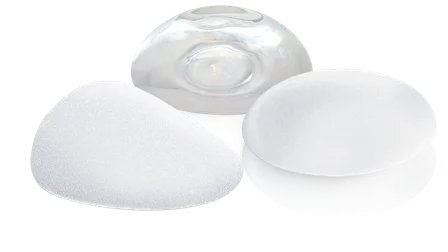
To begin with, let’s clarify what silicone and saline implants are. Both types of implants enhance the size and shape of your breasts, but they use different materials inside.
- Silicone Implants: These are filled with a gel-like substance that closely mimics the feel of natural breast tissue. The gel is thick and cohesive, meaning it holds its shape better and moves more like your own tissue.
- Saline Implants:Doctors fill saline implants with a sterile saltwater solution after placing them in the body, which allows them to use a smaller incision.
The FDA has approved both implant types, and your choice depends on your preferences for appearance, feel, and other personal factors.
Feel and Appearance Comparison
One of the primary differences between silicone and saline implants is how they feel and look.
- Silicone Implants: Most women find silicone implants to be more natural in feel. The gel inside mimics the consistency of natural breast tissue, providing a soft and lifelike result. They also offer a more natural shape, as the gel moves more freely inside the implant. If you’re looking for a fuller, rounder appearance with a natural feel, silicone implants are often the preferred choice.
- Saline Implants: Saline implants, while still an effective option, tend to have a firmer feel because of the fluid nature of saline. These implants can sometimes appear more rigid, and while they do offer a good appearance, they may not feel as natural as silicone. The texture can also change if the implant is overfilled or underfilled.
Safety Considerations
Both silicone and saline implants are safe options, but they come with different considerations.
- Silicone Implants: One concern with silicone implants is the possibility of a silent rupture. Unlike saline implants, which deflate when ruptured, silicone implants may not show immediate signs of a rupture. This means that the only way to detect a rupture is through an MRI or ultrasound. While silicone gel is not harmful if it leaks, it’s still important to monitor your implants regularly.
- Saline Implants: Saline implants are easier to detect if they rupture because the saline solution is absorbed by the body, causing the breast to deflate. The saline itself is safe, and there are no long-term health risks if the implant ruptures. However, the loss of volume is noticeable, and you’ll need to replace the implant.
Both implants are safe for most patients, but it’s crucial to follow your surgeon’s aftercare instructions and schedule regular checkups to monitor your implants’ condition.
Cost and Maintenance
Cost is often a significant factor when choosing implants. Let’s look at the differences in cost and long-term maintenance for each option.
- Silicone Implants: Silicone implants tend to be more expensive than saline implants. The cost is higher due to the materials used and the slightly more complex surgery required. Silicone implants also require regular monitoring to check for ruptures, which might involve additional imaging costs over time.
- Saline Implants: Saline implants are typically more affordable because they are easier to manufacture and require fewer materials. However, they may require more maintenance in the long term, as they are more prone to rupturing and deflating. Replacement surgery may be necessary if a saline implant ruptures, but the cost of replacement is generally lower than that of silicone implants.
Longevity of Implants
How long do breast implants last? Both silicone and saline implants have a long lifespan, but they do require occasional replacements.
- Silicone Implants: Silicone implants generally last longer than saline implants. While there’s no official “expiration date,” they typically maintain their shape and integrity for many years. Most women will need to replace their silicone implants after about 10 to 20 years, or sooner if there are complications like ruptures.
- Saline Implants: Saline implants may need to be replaced more frequently. Because they are filled with liquid, they are more likely to rupture over time. If they do rupture, the saline is harmless, but the breast will deflate, and you’ll need to replace the implant. Saline implants can last anywhere from 10 to 15 years on average, but the risk of rupture is higher compared to silicone implants.
Choosing Based on Body Type and Lifestyle
Your body type and lifestyle should influence your decision when choosing between silicone and saline implants. Here are some factors to consider:
- Body Type: Women with more natural breast tissue often find saline implants provide a natural look and feel. However, if you have less breast tissue, silicone implants may offer a more natural feel and appearance, as they are softer and more flexible.
- Activity Level: If you’re physically active, especially in sports that involve a lot of movement, saline implants might be a better option. This is because, in the rare event of a rupture, saline implants will deflate, and the change will be more noticeable. If you lead an active lifestyle, it might be comforting to know that saline implants are easier to detect when something goes wrong.
- Aesthetic Goals: If you’re looking for a fuller, softer, and more natural appearance, silicone implants are typically the best choice. If you want a more subtle enhancement or are concerned about cost, saline implants could be an ideal option.
Consultation with a Surgeon
The decision between silicone and saline implants is personal, and the best way to decide is to consult with a board-certified surgeon. During your consultation, your surgeon will assess your body type, discuss your aesthetic goals, and help you choose the right implant based on your preferences.
Dr. Vinay Jacob and the expert team at The Plastic Surgeons specialize in breast augmentation and will guide you through every step of the process, ensuring you feel confident in your decision. With years of international experience and state-of-the-art facilities, our team offers both surgical and non-surgical solutions to help you achieve the look you desire. Whether you’re considering silicone or saline implants, we are committed to providing you with exceptional care every step of the way.
FAQs
1. Do silicone implants feel more natural than saline implants?
Yes, silicone implants generally feel more natural because the gel inside mimics the consistency of natural breast tissue. Saline implants may feel firmer due to the liquid filling.
2. How can I tell if my saline implant has ruptured?
Saline implants are easier to detect if they rupture because the saline solution is absorbed by the body, causing the breast to deflate. You’ll notice a change in size or shape immediately.
3. Do I need regular checkups for silicone implants?
Yes, regular checkups are recommended for silicone implants to monitor for any silent ruptures. An MRI is often used to detect leaks or ruptures in silicone implants.
4. Are saline implants safer than silicone implants?
Both options are FDA-approved and considered safe. However, saline implants are easier to detect if they rupture, while silicone implants may require more monitoring due to the risk of silent rupture.
5. Can I choose the size and shape of my implants?
Yes, you can work with your surgeon to choose the size, shape, and type of implants that best suit your body and aesthetic goals.
Choosing between silicone and saline breast implants is a personal decision that requires careful consideration of your aesthetic goals, body type, and lifestyle. By consulting with a trusted surgeon and understanding the differences between each implant type, you can make an informed decision that best suits your needs. At Dr. Vinay Jacob The Plastic Surgeons, we are here to guide you through every step of your transformation, ensuring you achieve the results you’ve always wanted with the utmost care and expertise. Reach out to us today to schedule your consultation.
Why consider Dr. Vinay Jacob for this treatment?
Dr. Vinay Jacob is a senior plastic and reconstructive surgeon with MS, MCh and DNB qualifications and international training. His experience includes aesthetic breast surgery and oncoplastic breast reconstruction, supporting careful breast-procedure planning.
Learn more about breast surgery services at The Plastic Surgeons. Read related guidance: Gynecomastia vs Chest Fat: How to Tell the Difference and How Long Do Breast Implants Last? When Should They Be Replaced?.