Written and medically reviewed by Dr. Vinay Jacob, MS, MCh, DNB
Member, Indian Association of Aesthetic Plastic Surgeons (IAAPS)
Medical review: April 20, 2026 | Last updated: April 20, 2026 | Editorial policy
Risks of Silicone Breast Implants
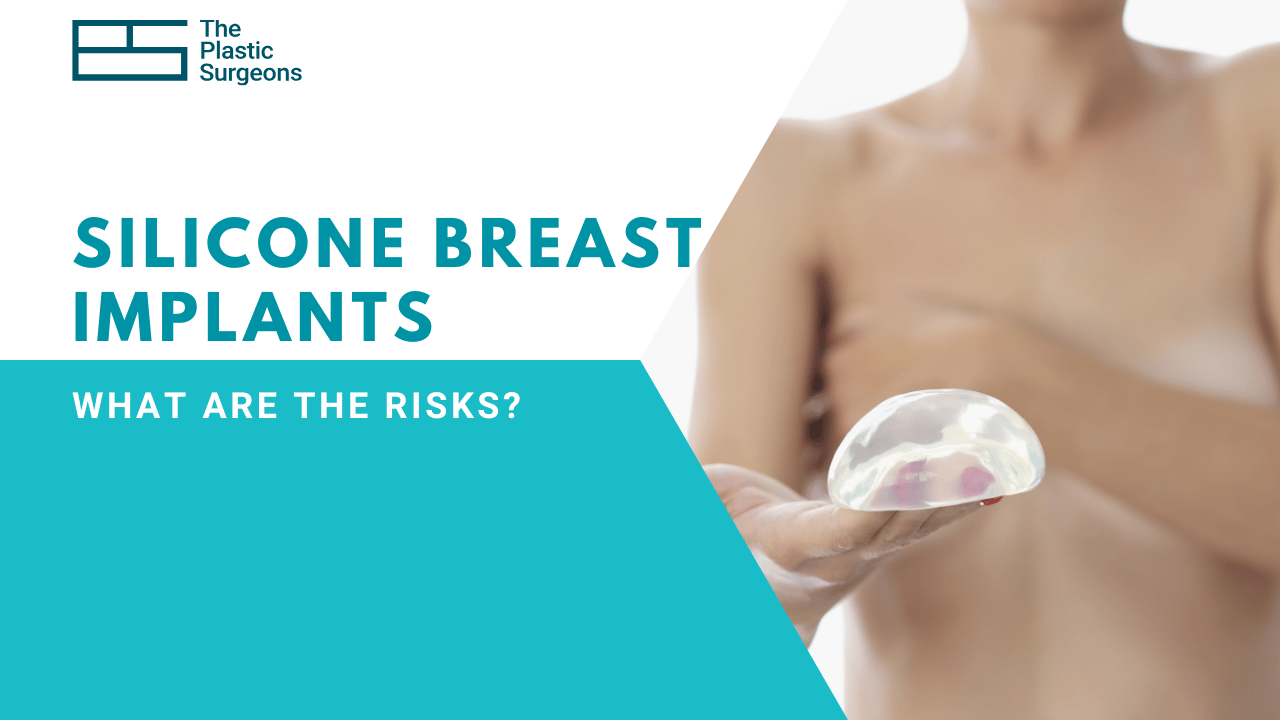
Silicone breast implants have been a popular option for breast augmentation for many years. While they offer a range of benefits, including a natural feel and appearance, it’s important to understand the potential risks associated with them. This blog will explore the possible complications and health concerns linked to silicone breast implants. Whether you’re considering the procedure or are already a patient, it’s essential to be informed and understand what to expect.
Capsular Contracture
Capsular contracture is one of the most common risks associated with breast implants, both silicone and saline. This occurs when the body forms a tight capsule of scar tissue around the implant. In some cases, the capsule can contract, causing the breast to feel hard and possibly even change shape. Severe capsular contracture may require surgery to correct the issue.
There are several factors that might increase the risk of developing capsular contracture, such as infection or trauma to the implant. In some cases, the implant may need to be removed if the condition is not manageable with other treatments.
Implant Rupture and Leakage
Over time, silicone implants can experience rupture or leakage, which may not always be immediately noticeable. A rupture can occur due to trauma, aging of the implant, or other factors. When a silicone implant ruptures, the gel inside the implant may stay within the breast, but it can cause swelling, lumps, or pain.
In the case of a rupture, the implant should be replaced to avoid complications. Regular monitoring with an MRI, recommended every 2 to 3 years, can help detect ruptures early.
Infection
Infection is a risk after any surgery, and breast augmentation with silicone implants is no exception. While infections are relatively uncommon, they can still occur and may lead to complications such as fever, pain, or redness around the implant area.
In severe cases, infection may require the removal of the implant, and in some cases, an additional surgery may be needed. It’s essential to follow your surgeon’s aftercare instructions carefully to reduce the risk of infection.
Breast Implant-Associated Anaplastic Large Cell Lymphoma (BIA-ALCL)
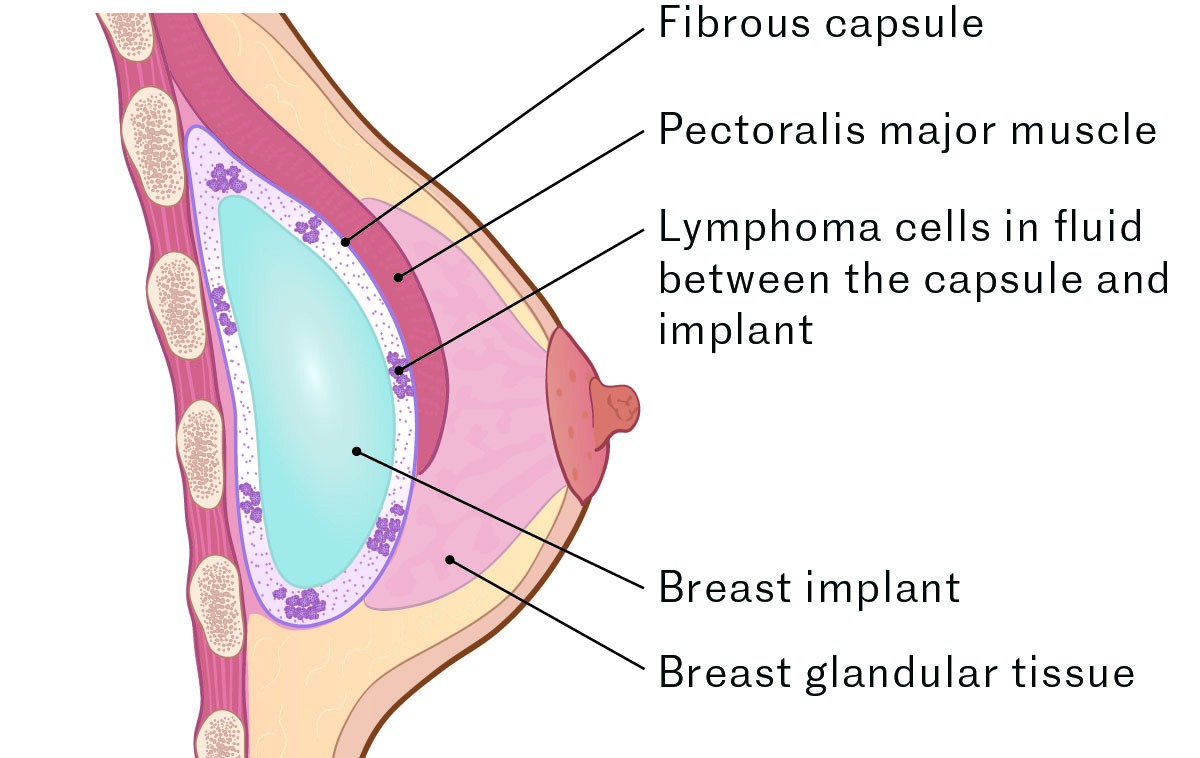
BIA-ALCL is a rare type of cancer that has been linked to textured breast implants. Although it is incredibly rare, it is a serious condition that can lead to fluid buildup, pain, or swelling around the implant. It’s important to note that BIA-ALCL is not breast cancer but a type of immune system cancer.
If you experience symptoms such as unusual swelling or pain in the breast area after implant surgery, it’s essential to consult with your doctor. Early detection can help ensure a better outcome.
Changes in Sensation
Some women experience changes in the sensation of their breasts or nipples after breast implant surgery. This can range from increased sensitivity to complete numbness. These changes in sensation can be temporary or permanent, depending on the extent of the surgery and healing process.
Although this is generally not harmful, it can be concerning for some patients. If you are considering implants, it’s important to discuss this potential risk with your surgeon, as the procedure can affect nerve endings.
Breast Implant Illness (BII)
While not fully understood, some individuals report a collection of symptoms known as breast implant illness (BII) that may be linked to their implants. These symptoms can include fatigue, joint pain, hair loss, headaches, brain fog, and anxiety.
Although BII is not widely recognized as a medical condition, some women have reported experiencing relief after having their implants removed. If you notice unusual symptoms after implant surgery, it’s a good idea to consult with your healthcare provider to determine the cause.
Aesthetic Complications
While silicone breast implants are designed to provide a natural look and feel, there are aesthetic risks to consider. The implants may not settle as expected, resulting in uneven breast shape or size.
Additionally, the skin around the implant may stretch over time, causing visible rippling or wrinkling. Though these issues are less common, they can occur, and in some cases, revision surgery may be required to correct them.
Dr. Vinay Jacob: The Plastic Surgeons, Where Innovation Meets Compassion
At The Plastic Surgeons, we understand the importance of ensuring your health and safety throughout your breast augmentation journey. Dr. Vinay Jacob, a board-certified plastic surgeon, offers state-of-the-art facilities and a patient-centric approach to breast augmentation surgery. With years of international experience, we specialize in surgical, non-surgical, and reconstructive procedures, including breast augmentation, tummy tucks, liposuction, rhinoplasty, and more.
We empower you to make informed decisions about your body transformation, ensuring exceptional results and the utmost care every step of the way. You are in safe hands with our team of experts.
FAQs About Silicone Breast Implants
1. How long do silicone breast implants last?
Silicone implants are designed to last for many years. On average, they can last between 10 and 20 years, depending on factors like lifestyle, health, and implant maintenance. However, it’s essential to monitor for potential complications such as ruptures or leaks.
2. Can silicone breast implants cause cancer?
There is no evidence to suggest that silicone breast implants cause breast cancer. However, a rare condition called breast implant-associated anaplastic large cell lymphoma (BIA-ALCL) has been linked to textured implants. It’s crucial to undergo regular check-ups and consult your doctor if you notice any unusual symptoms.
3. Will silicone breast implants affect breastfeeding?
In most cases, silicone breast implants do not affect the ability to breastfeed. However, the placement of the implant and the type of incision used can impact milk production or nipple sensitivity. It’s important to discuss these concerns with your surgeon before surgery.
4. Can I get pregnant after breast augmentation?
Yes, pregnancy should not affect the outcome of your breast augmentation surgery. However, changes in breast tissue during pregnancy and breastfeeding may affect the appearance of your breasts and implants.
5. What is the recovery time after breast augmentation surgery?
Recovery time can vary, but most patients can return to work and normal activities within a week or two. However, you should avoid strenuous activities and heavy lifting for at least 4 to 6 weeks to allow the body to heal fully.
Conclusion
Silicone breast implants offer a way to enhance breast appearance, but as with any surgical procedure, there are risks to consider. From complications like capsular contracture and infection to the potential for rare conditions like BIA-ALCL, it’s essential to weigh the benefits and risks before deciding on breast augmentation.
If you’re considering silicone breast implants, seeking professional advice from an experienced plastic surgeon is critical. Dr. Vinay Jacob and his team offer the expertise, compassionate care, and advanced technology to help guide you through your breast augmentation journey safely and successfully.
Why consider Dr. Vinay Jacob for this treatment?
Dr. Vinay Jacob is a senior plastic and reconstructive surgeon with MS, MCh and DNB qualifications and international training. His experience includes aesthetic breast surgery and oncoplastic breast reconstruction, supporting careful breast-procedure planning.
Learn more about breast surgery services at The Plastic Surgeons. Read related guidance: Gynecomastia vs Chest Fat: How to Tell the Difference and How Long Do Breast Implants Last? When Should They Be Replaced?.