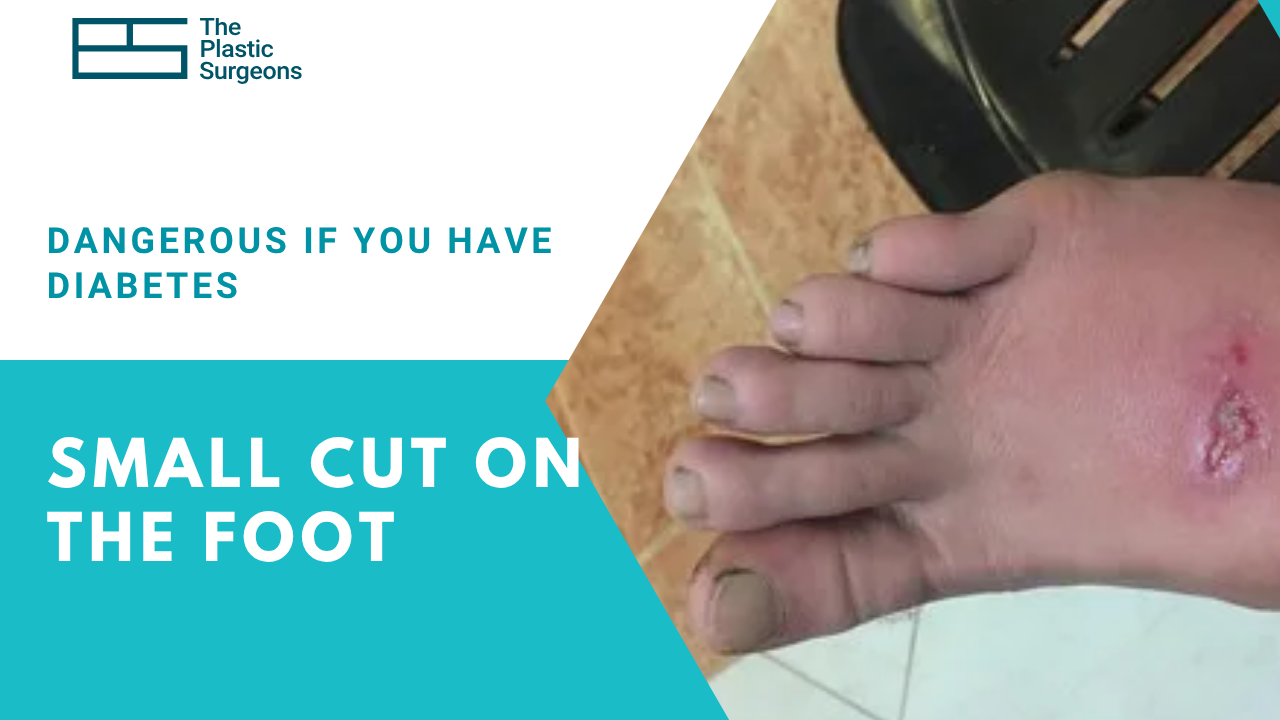
A small cut on the foot may seem harmless, but if you have diabetes, it deserves careful attention. A small cut on the foot with diabetes can sometimes develop into a more serious wound or infection, particularly when nerve damage, poor circulation, repeated pressure, or difficulty controlling blood glucose are present.
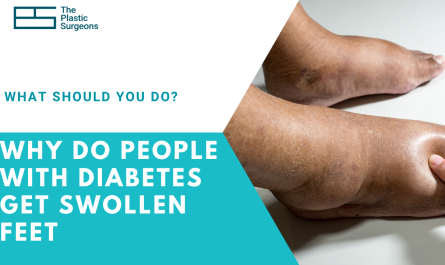
Diabetes can affect the nerves and blood vessels that support the feet. Nerve damage may reduce your ability to feel pain, while reduced blood flow can make it harder for a wound to heal. As a result, an injury that initially looks minor may go unnoticed or become infected before you realise there is a problem.
The good news is that early attention and proper diabetic foot care can significantly reduce the risk of complications. Knowing what to do when you notice a cut—and understanding the warning signs—is an important part of protecting your feet.
Why Can a Small Cut Become Serious in Diabetes?
For someone without diabetes, a minor cut may heal without causing significant problems. With diabetes, however, several factors can interfere with normal healing.
1. Diabetic Neuropathy Can Reduce Sensation
One of the most important complications is diabetic peripheral neuropathy.
Nerve damage can cause numbness, tingling, burning, weakness, or reduced sensation in the feet. If sensation is reduced, you may not notice a small cut, blister, pressure injury, or object inside your shoe.
A person may continue walking normally because the wound does not hurt. Repeated pressure and friction can then enlarge the injury.
NIDDK notes that peripheral neuropathy can cause people to lose feeling in their feet, increasing the likelihood that injuries such as blisters and sores go unnoticed.
2. Reduced Blood Flow Can Slow Healing
Diabetes can also contribute to peripheral arterial disease and other circulation problems.
Adequate blood flow delivers oxygen and nutrients to injured tissue and helps the body’s immune system respond to infection. When circulation is reduced, a wound may have more difficulty healing.
An open foot wound can also provide an entry point for infection. Reduced blood flow may make it harder for the body to fight that infection effectively.
3. Infection Can Develop
A cut breaks the protective barrier of the skin. Bacteria can enter through the opening and cause an infection.
In a person with diabetes, an infection can become particularly concerning if it is accompanied by neuropathy, poor circulation, an existing ulcer, or other high-risk foot problems.
Diabetes-related foot infection is diagnosed based on clinical signs of inflammation and should be assessed according to its severity.
4. High Blood Glucose Can Affect the Healing Environment
Long-term diabetes-related changes can affect nerves, blood vessels and the body’s response to wounds.
This does not mean that every person with high blood glucose will develop a serious foot problem. However, good diabetes management forms an important part of reducing the risk of diabetes-related complications.
5. Continued Pressure Can Make a Small Wound Worse
A cut on the foot may be repeatedly exposed to pressure every time you walk.
If you have neuropathy, you may not feel that the area is being irritated. Tight shoes, poorly fitting footwear, abnormal pressure points, or changes in foot shape can further aggravate the wound.
This is one reason that simply covering a cut without addressing ongoing pressure may not be enough.
What Should You Do If You Get a Cut on Your Foot and Have Diabetes?
If you notice a cut, blister, scrape, or open area on your foot, don’t ignore it just because it looks small.
Step 1: Inspect the wound carefully
Look at the cut in good lighting.
Check for:
- How large or deep it appears
- Bleeding
- Redness around the wound
- Swelling
- Warmth
- Drainage
- Pus
- Skin discolouration
- Foreign material in the wound
If you cannot easily see the bottom of your foot, use a mirror or ask someone to help you inspect it.
Step 2: Gently clean the area
Clean the wound according to medical advice and keep it protected.
Avoid aggressive scrubbing or trying to remove tissue yourself.
Step 3: Cover the cut appropriately
A clean dressing or bandage can help protect a cut from further contamination and friction.
NIDDK specifically recommends covering a blister, cut, or sore as part of diabetic foot care.
Change the dressing according to the instructions provided by your healthcare professional.
Step 4: Reduce pressure on the area
Think about what caused the cut.
Was it:
- A tight shoe?
- A sharp object?
- Friction?
- A blister that opened?
- A fall or injury?
- Repeated pressure from walking?
If the cause continues, the wound may not heal properly.
Avoid unnecessary pressure on the affected area and follow professional advice regarding footwear or offloading if required.
Step 5: Monitor it closely
Do not simply cover the cut and forget about it.
Check the area regularly for changes in:
- Size
- Redness
- Swelling
- Warmth
- Drainage
- Odour
- Skin colour
- Pain or tenderness
Remember that absence of pain does not necessarily mean the wound is harmless when diabetic neuropathy is present.
When Should You See a Doctor for a Small Cut?
If you have diabetes, it is better to have a low threshold for seeking medical advice about a foot wound.
NIDDK recommends contacting a healthcare provider if a cut, blister, or bruise does not begin to heal after a few days, or if the skin becomes red, warm, or painful.
You should arrange medical assessment if:
- The cut is not starting to improve
- Redness is increasing
- The area becomes warm or swollen
- There is drainage or pus
- The wound develops an unpleasant smell
- The wound becomes deeper
- The surrounding skin changes colour
- You develop fever or feel unwell
- You have significant numbness
- The injury was caused by a puncture or potentially contaminated object
- You have a history of diabetic foot ulcers
- You have known circulation problems
- You have significant diabetic neuropathy
Early assessment can help identify problems before they progress.
Warning Signs That a Diabetic Foot Cut May Be Infected
A small cut requires urgent attention if signs of infection appear.
Watch for:
Redness
Redness around the wound can indicate inflammation or infection, particularly if it is spreading.
Increasing warmth
Skin that becomes noticeably warmer around the wound may be a warning sign.
Swelling
New or increasing swelling around a wound should be assessed, especially when accompanied by redness or warmth.
Pus or drainage
Yellow, green, cloudy, or otherwise abnormal drainage can indicate infection.
Bad smell
An unpleasant odour from a wound can be a concerning sign, particularly when accompanied by tissue changes or drainage.
Increasing pain
Pain may occur with infection, although people with diabetic neuropathy may have little or no pain despite significant disease.
Fever or feeling unwell
Fever, chills, weakness, or feeling generally unwell may indicate that an infection is becoming more serious.
Diabetes-related foot infections should be assessed clinically, and severe infections may require urgent or hospital-based treatment.
Can a Small Cut Turn Into a Diabetic Foot Ulcer?
Yes, it can.
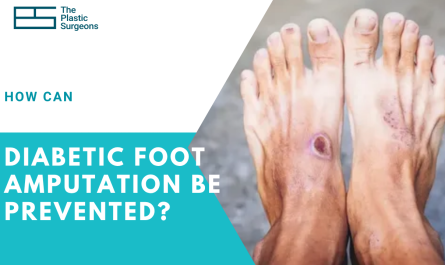
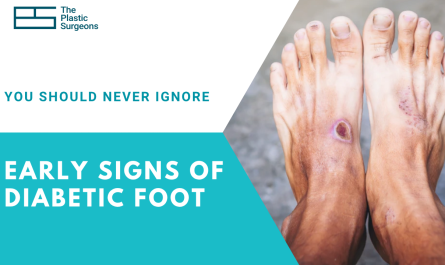
A diabetic foot ulcer is an open wound on the foot that does not heal normally. A small injury can become a larger wound when several risk factors occur together.
For example:
Small cut → repeated pressure → skin breakdown → deeper wound → infection → delayed healing
Neuropathy can make the initial injury difficult to notice, while reduced circulation can interfere with healing. Foot deformities or abnormal pressure points can further increase mechanical stress on the area.
However, not every small cut becomes an ulcer. Prompt attention, appropriate wound care, pressure reduction, and management of underlying risk factors can help prevent progression.
Why You Shouldn’t Wait for a Diabetic Foot Cut to Hurt
Pain is not a reliable measure of how serious a foot wound is in someone with diabetes.
Peripheral neuropathy can reduce or eliminate normal pain sensation. As a result, a person may have:
- A significant blister without pain
- A wound that continues to enlarge without discomfort
- An infection with surprisingly little pain
- Pressure damage that goes unnoticed
This is why visual inspection is so important.
If you have reduced sensation, make checking your feet part of your daily routine rather than waiting for symptoms.
What Should You Avoid Putting on a Diabetic Foot Cut?
Avoid experimenting with home remedies or harsh products on an open foot wound.
Do not:
- Apply chemicals or unprescribed antiseptic products without medical advice
- Use strong acids or corn-removal preparations
- Cut away skin around the wound
- Cut calluses yourself
- Pick at the wound
- Attempt to drain an abscess
- Use heating pads or hot-water bottles on an area with reduced sensation
- Walk barefoot
- Continue wearing footwear that caused the injury
- Ignore the wound because it is painless
NIDDK specifically warns against cutting corns and calluses or using medicated corn-removal products because these can damage the skin and increase the risk of infection.
What If the Cut Is Very Small and Looks Clean?
Even if the cut looks minor, monitor it carefully.
A practical approach is:
- Clean and protect it appropriately.
- Identify and remove the source of pressure or friction.
- Inspect it regularly.
- Watch for redness, warmth, swelling, drainage, or worsening.
- Seek medical advice if it does not begin to improve or if concerning signs develop.
If you have significant neuropathy, previous ulcers, poor circulation, foot deformity, or another high-risk condition, you may need earlier professional assessment.
How Can You Prevent Foot Cuts If You Have Diabetes?
Prevention is one of the most important parts of diabetic foot care.
Inspect Your Feet Every Day
Look at the tops, soles, heels, and spaces between your toes.
Check for:
- Cuts
- Blisters
- Cracks
- Redness
- Calluses
- Swelling
- Skin discolouration
- Pressure marks
- Changes in foot shape
Daily inspection is especially important if you have reduced sensation.
Wear Properly Fitting Footwear
Shoes should provide adequate room without creating excessive pressure or rubbing.
Before putting on your shoes, check inside them for:
- Stones
- Debris
- Rough areas
- Folded insoles
- Other objects that could injure your foot
Avoid Walking Barefoot
Walking barefoot increases exposure to sharp objects, heat, friction, and other injuries.
This is particularly important if neuropathy has reduced your ability to feel pain.
Take Care of Your Skin
Wash your feet regularly and dry them carefully.
If the skin is dry, moisturising may help protect it from cracking. Avoid applying moisturiser between the toes unless advised otherwise because excessive moisture in that area can contribute to skin problems.
Take Care of Your Nails Safely
If you have difficulty seeing or reaching your feet, reduced sensation, poor circulation, or previous foot complications, ask your healthcare professional how your nails should be managed.
Avoid creating accidental cuts while trimming them.
Manage Diabetes as Recommended
Following your diabetes treatment plan and monitoring blood glucose as advised can form an important part of reducing the risk of complications.
Get Regular Foot Examinations
People with diabetes should have their feet examined regularly, with the frequency depending on their individual risk.
If you have neuropathy, previous ulcers, deformity, or circulation problems, your healthcare team may recommend more frequent assessment.
When Can a Foot Wound Require Surgery?
Most small cuts do not require surgery.
However, a wound that becomes infected, deeply damaged, difficult to heal, or associated with significant tissue loss may require more advanced treatment.
Depending on the problem, treatment may involve:
- Professional wound cleaning
- Debridement when indicated
- Pressure relief or offloading
- Treatment of infection
- Assessment and treatment of circulation problems
- Management of blood glucose and other health conditions
- Surgical treatment of deeper infection or damaged tissue
- Reconstructive procedures for significant tissue loss
Current diabetic-foot guidelines emphasise multidisciplinary care, appropriate wound management, infection treatment, pressure relief, and addressing circulation problems when they are present.
When Is Reconstructive Surgery Considered for a Diabetic Foot Wound?
Reconstructive surgery may become relevant when a diabetic foot wound has resulted in substantial tissue loss and cannot be adequately managed with simpler wound-care measures.
Depending on the wound and the patient’s overall condition, reconstruction may involve techniques designed to provide durable soft-tissue coverage.
The timing and type of reconstruction depend on factors such as:
- Infection control
- Blood supply
- Wound size and depth
- Condition of surrounding tissue
- Bone or tendon exposure
- Pressure distribution
- Overall medical health
- Ability to protect the reconstructed area during healing
The goal is not simply to close the wound. Good reconstruction aims to provide stable tissue coverage while supporting function and reducing the risk of recurrent breakdown.
Can a Diabetic Foot Cut Be Prevented From Becoming Serious?
In many cases, early action can reduce the risk of complications.
The most important principle is simple:
Do not ignore a foot wound just because it is small.
Check it, protect it, reduce pressure, monitor it, and seek medical advice when healing is delayed or warning signs appear.
Diabetes-related foot complications can become serious, but daily foot care and early treatment can help reduce the risk.
Frequently Asked Questions
Is a small cut dangerous for someone with diabetes?
It can be. A small cut may become infected or develop into a larger wound, particularly when diabetic neuropathy, poor circulation, repeated pressure, or other foot-risk factors are present. However, not every small cut becomes serious, especially when it is identified and managed early.
How long should a diabetic foot cut take to heal?
There is no single healing time that applies to everyone. Healing depends on the size and depth of the wound, circulation, sensation, infection, pressure on the area, blood glucose management, and overall health. If a cut is not beginning to improve after a few days, contact your healthcare provider.
What does an infected diabetic foot cut look like?
Possible signs include increasing redness, warmth, swelling, drainage or pus, unpleasant odour, increasing pain, or systemic symptoms such as fever. Pain may be limited or absent when neuropathy is present, so visual changes are important.
Should I cover a small cut on my foot if I have diabetes?
A clean, appropriately protected dressing can help protect a cut from further injury and contamination. Follow your healthcare professional’s wound-care instructions, particularly if you have a high-risk foot or an existing ulcer.
Can diabetes make a cut heal slowly?
Yes. Diabetes can be associated with nerve damage and reduced blood flow, both of which can contribute to unnoticed injury and impaired healing. Other factors, including infection and repeated pressure, can also delay healing.
Can a painless cut still be serious?
Yes. Diabetic neuropathy can reduce sensation in the feet, so a person may not experience the expected pain from an injury or infection. A painless wound should still be inspected and monitored carefully.
When should I seek urgent medical help?
Seek urgent medical attention if a foot wound is rapidly worsening, associated with spreading redness or significant swelling, produces pus or a foul smell, develops black or severely discoloured tissue, or is accompanied by fever or significant illness. A sudden major change in the foot should also be assessed promptly.
For clinical information, visit our diabetic foot treatment page, review lower-limb reconstruction, or contact the clinic.
Dr. Vinay Jacob: Care for Complex Diabetic Foot Wounds
Dr. Vinay Jacob is a plastic and reconstructive surgeon who manages complex wounds requiring specialised soft-tissue reconstruction.
When a diabetic foot wound progresses beyond a simple superficial injury, treatment may require coordination between wound-care, diabetes, vascular, infection, orthopaedic, and reconstructive specialists depending on the individual case.
Reconstructive surgery is generally considered only when clinically appropriate and after important factors such as infection and blood supply have been evaluated.
If you have diabetes and notice a cut, blister, or wound on your foot that is not healing normally, do not wait for it to become painful or severe before seeking medical advice.
Conclusion
Can a small cut on the foot become dangerous if you have diabetes? Yes, it can—but early attention can make an important difference.
Diabetic neuropathy may prevent you from noticing an injury, while circulation problems can interfere with healing. Continued pressure, infection, foot deformity, and other health conditions can further increase the risk of complications.
The safest approach is to inspect your feet every day, protect any wound, avoid pressure and friction, and seek medical attention if a cut is not starting to heal or develops redness, warmth, swelling, drainage, or other warning signs.
A small cut should never be ignored when you have diabetes. Early assessment can help prevent a minor injury from progressing into a diabetic foot ulcer, serious infection, or more extensive tissue damage.
Sources: NIDDK: Diabetes & Foot Problems, American Diabetes Association: Foot Complications, and CDC: Preventing Diabetes-Related Amputations.
Medical Disclaimer: This article is intended for general educational purposes and does not replace an in-person medical examination, diagnosis, or individualised treatment plan. If you have diabetes and develop a new foot wound or concerning symptoms, consult a qualified healthcare professional promptly.