Written and medically reviewed by Dr. Vinay Jacob, MS, MCh, DNB
Member, Indian Society of Reconstructive Microsurgery (ISRM)
Medical review: August 26, 2026 | Last updated: August 13, 2026 | Editorial policy
Read the previous guide: diabetic foot care series.
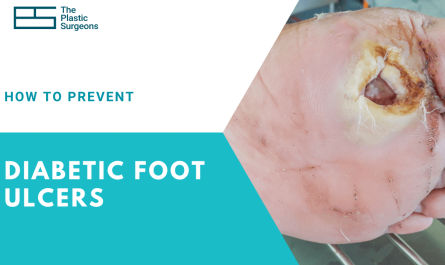
Many diabetes-related amputations can be prevented, but prevention depends on action before and after a wound appears.
Protect the foot before injury
- Check both feet every day.
- Wear properly fitted shoes and never walk barefoot.
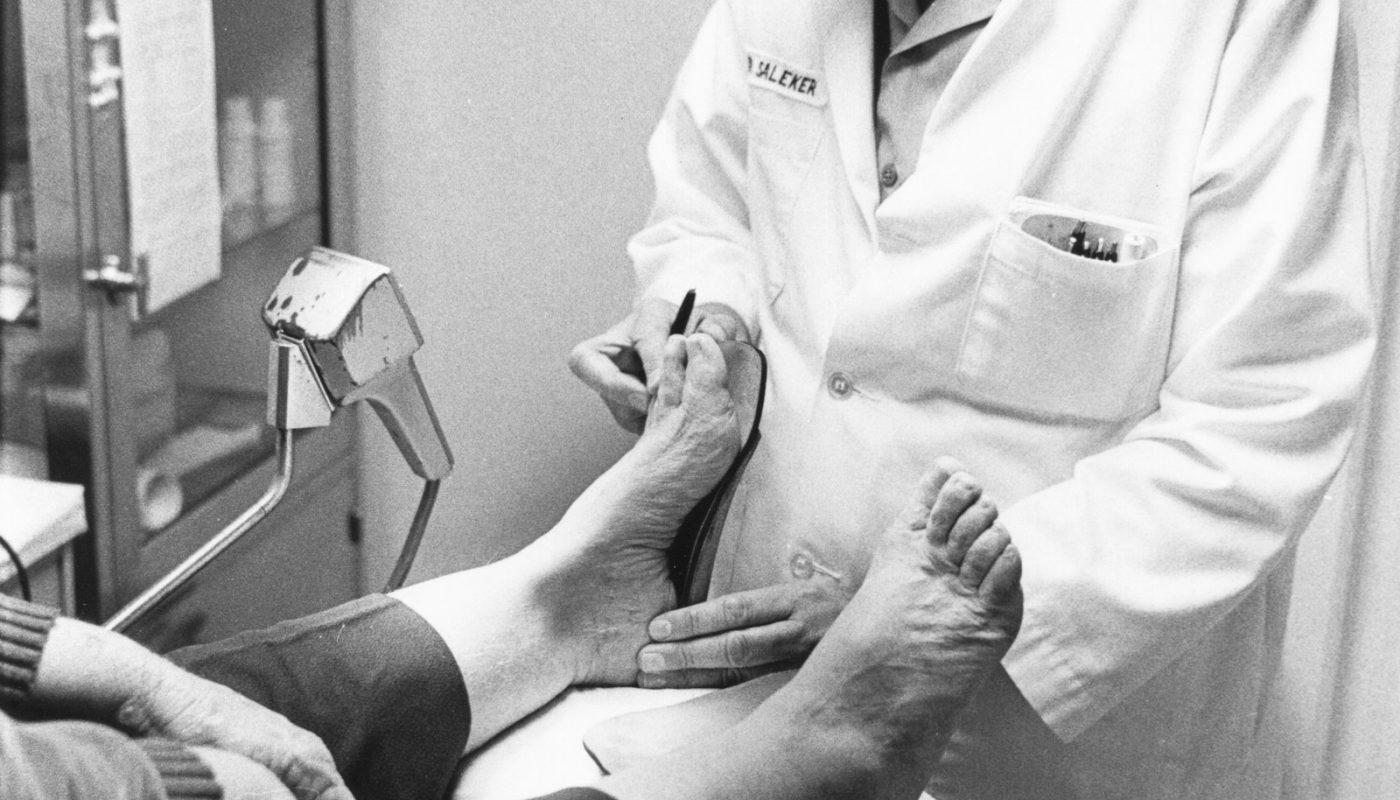
- Attend foot screening for sensation, circulation and deformity.
- Manage glucose, blood pressure and cholesterol with your care team.
- Do not smoke.
- Seek professional care for calluses, corns and difficult nails.
Act quickly when a wound appears
- Arrange prompt assessment, even if the wound is painless.
- Keep pressure off the ulcer.
- Treat infection based on clinical findings.
- Assess blood flow and restore it when appropriate.
- Use coordinated wound, diabetes, vascular and reconstructive care.
Previous ulcers can recur, so protective footwear and continued follow-up remain important after healing. Emergency signs include black tissue, fever, spreading infection, foul drainage and rapid deterioration.
For clinical information, visit our diabetic foot treatment page, review lower-limb reconstruction, or contact the clinic.
Why consult Dr. Vinay Jacob for diabetic foot reconstruction?
Dr. Vinay Jacob is a senior plastic and reconstructive surgeon (MS, MCh, DNB) with experience in microsurgery and lower-limb reconstruction—skills relevant when diabetic foot wounds need complex tissue coverage or limb-preservation reconstruction as part of multidisciplinary care.
This article provides general education and does not replace an examination or personalised medical advice.
Sources: NIDDK: Diabetes & Foot Problems, American Diabetes Association: Foot Complications, and CDC: Preventing Diabetes-Related Amputations.