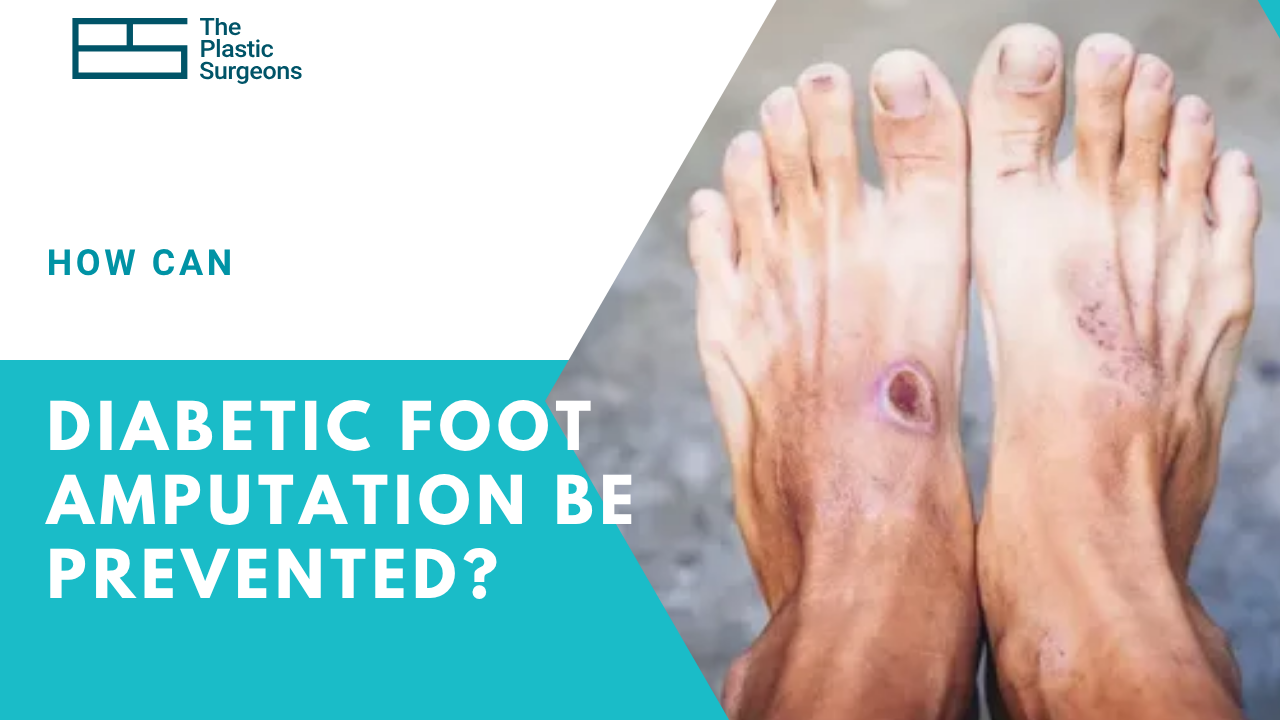
For people living with diabetes, the possibility of losing a toe, foot, or part of the leg can be frightening. However, diabetic foot amputation is not an inevitable outcome of diabetes. Many serious foot complications can be prevented or treated more effectively when risk factors are identified early and foot problems are addressed promptly.
Diabetes can affect the feet in several ways. Nerve damage may reduce protective sensation, making cuts and blisters difficult to notice. Reduced blood flow can interfere with wound healing, while repeated pressure, foot deformities, and infection can cause a small injury to become a more serious ulcer. In severe cases, an infected or non-healing wound can progress to gangrene and may require amputation.
The most effective approach is prevention combined with early treatment. Daily foot inspection, appropriate footwear, regular medical examinations, good diabetes management, early wound care, and timely assessment of circulation can all play an important role in protecting the foot.
Why Does Diabetes Increase the Risk of Amputation?
Understanding the underlying risks makes prevention easier.
Diabetic Neuropathy
Diabetic peripheral neuropathy can cause numbness, tingling, burning, weakness, or loss of protective sensation.
When sensation is reduced, a person may not notice:
- A small cut
- Blister
- Burn
- Pressure injury
- Foreign object inside a shoe
- Developing ulcer
The person may continue walking on the injured area, allowing the wound to worsen.
Poor Circulation
Diabetes is associated with peripheral arterial disease (PAD), which can reduce blood flow to the feet.
Poor circulation can make it harder for wounds to heal and can reduce the body’s ability to respond effectively to infection. PAD is therefore an important consideration when a diabetic foot ulcer does not heal as expected.
Infection
An open wound creates an opportunity for bacteria to enter.
If an infection is not recognised and treated promptly, it can spread into deeper tissues and potentially cause extensive tissue damage.
Repeated Pressure
A wound may fail to heal if the affected area continues to experience pressure every time the person walks.
Foot deformities, calluses, tight shoes, and abnormal pressure points can contribute to repeated mechanical stress.
Previous Ulcer or Amputation
A history of diabetic foot ulcer or lower-extremity amputation places a person in a higher-risk category and warrants closer monitoring. The IWGDF risk-stratification system places people with loss of protective sensation or PAD plus a previous ulcer or amputation in its highest risk category.
12 Ways to Help Prevent Diabetic Foot Amputation
1. Check Your Feet Every Day
Daily inspection is one of the simplest and most important habits for people with diabetes.
Look carefully at:
- The soles
- Heels
- Tops of the feet
- Between the toes
- Around the toenails
- Areas exposed to shoe pressure
Look for:
- Cuts
- Blisters
- Redness
- Swelling
- Cracks
- Calluses
- Bruises
- Drainage
- Skin colour changes
- Areas that feel unusually warm
- Changes in foot shape
If you cannot see the bottom of your feet easily, use a mirror or ask someone you trust to help.
This is particularly important if you have neuropathy because a significant wound may not be painful. NIDDK recommends daily foot checks because early identification can prevent problems from becoming worse.
2. Never Ignore a Small Cut or Blister
A small injury may appear insignificant, but in a person with diabetes it deserves attention.
If you notice a cut, blister, scrape, or open area:
- Protect the area appropriately
- Reduce pressure on it
- Monitor it closely
- Follow professional wound-care advice
- Seek medical attention if it is not beginning to heal or develops concerning changes
Do not wait for the wound to become painful. Neuropathy may reduce the pain response.
3. Wear Properly Fitting Footwear
Footwear can either protect your feet or contribute to injury.
Choose shoes that:
- Fit comfortably
- Do not squeeze the toes
- Do not rub against the heel
- Have enough room for the foot
- Provide appropriate support
- Do not create excessive pressure points
For people at higher risk of ulceration, a healthcare professional may recommend specialised therapeutic footwear.
IWGDF prevention guidance identifies inadequate or ill-fitting footwear as an important modifiable risk factor for diabetic foot ulceration.
4. Avoid Walking Barefoot
Walking barefoot increases exposure to:
- Sharp objects
- Cuts
- Burns
- Blisters
- Rough surfaces
- Unnoticed trauma
This can be particularly dangerous if you have reduced sensation.
Wear appropriate protective footwear even when walking around the house if your healthcare professional has identified you as being at risk.
5. Take Care of Your Toenails Safely
Toenail injuries can create an entry point for infection.
When appropriate, nails should generally be trimmed carefully and straight across rather than cut deeply into the corners.
If you have:
- Poor vision
- Significant neuropathy
- Poor circulation
- Thick or abnormal nails
- Previous foot ulcers
- Difficulty reaching your feet
ask your healthcare professional about the safest way to manage your nails.
NIDDK advises people who cannot safely see, feel, or reach their feet to have their toenails managed professionally.
6. Do Not Cut Calluses or Corns Yourself
Calluses develop because of repeated friction or pressure.
Although they may appear harmless, a thick callus can sometimes indicate excessive pressure beneath the area.
Do not use blades, razors, or strong chemical corn removers on your feet without professional advice.
Instead, ask a qualified healthcare professional how the callus should be managed and whether your footwear or pressure distribution needs to be evaluated.
7. Protect Your Feet From Burns and Extreme Temperatures
Neuropathy can make it difficult to recognise excessive heat.
Avoid:
- Hot-water bottles
- Heating pads
- Direct heaters
- Very hot baths
- Walking barefoot on hot surfaces
Always check water temperature before washing your feet.
NIDDK specifically advises people with diabetic nerve damage to protect their feet from burns and avoid heating pads or hot-water bottles.
8. Keep Your Feet Clean and Dry
Wash your feet regularly using warm rather than very hot water.
After washing:
- Dry them carefully
- Pay attention to the spaces between the toes
- Keep the skin appropriately moisturised if it is dry
- Avoid excessive moisture between the toes
Healthy skin provides an important protective barrier against injury and infection.
9. Manage Blood Glucose and Other Health Risks
Diabetic foot prevention is not limited to the feet.
Work with your healthcare team to manage:
- Blood glucose
- Blood pressure
- Cholesterol
- Kidney health
- Weight
- Smoking
- Overall cardiovascular risk
Good diabetes management can help reduce the risk of complications affecting nerves and blood vessels. NIDDK recommends managing blood glucose, blood pressure, and cholesterol as part of preventing complications associated with diabetic neuropathy.
If you smoke, seek support to quit because smoking can worsen circulation and contribute to vascular disease.
10. Get Regular Diabetic Foot Examinations
Daily self-checks are important, but they do not replace professional foot examinations.
Your healthcare professional may assess:
- Protective sensation
- Foot pulses
- Circulation
- Skin condition
- Foot deformities
- Pressure points
- Previous wounds
- Signs of infection
The frequency of screening should depend on your individual risk.
The IWGDF 2023 risk-stratification system recommends more frequent screening for people with loss of protective sensation, peripheral arterial disease, deformity, previous ulceration, previous amputation, or other high-risk characteristics.
11. Treat Foot Problems Early
One of the biggest mistakes people make is waiting.
Contact your healthcare professional if you notice:
- A wound
- Increasing redness
- Swelling
- Warmth
- Drainage
- Pus
- Foul odour
- A new ulcer
- Skin turning dark
- A sudden change in foot shape
- A wound that is not healing
NIDDK recommends contacting a healthcare provider for foot problems such as cuts or blisters that are not beginning to heal, redness, warmth, pain, or signs of severe infection.
12. Address Circulation Problems Promptly
If a diabetic foot wound is not healing as expected, poor blood flow should be considered.
A healthcare professional may assess circulation using appropriate vascular tests.
If significant peripheral arterial disease is identified, vascular treatment may be necessary as part of limb-preservation care.
This is important because simply treating the surface of a wound may not be enough if inadequate blood flow is preventing healing.
How Does Early Treatment Help Prevent Amputation?
Preventing amputation often means stopping complications before they become irreversible.
For example:
Small cut
If detected early, the wound can be protected and monitored.
↓
Developing ulcer
Pressure can be reduced and appropriate wound care initiated.
↓
Infection
The infection can be assessed and treated according to its severity.
↓
Poor healing
Circulation and other underlying causes can be investigated.
↓
Deeper tissue involvement
Specialist treatment, including surgery when necessary, may be considered.
The earlier the underlying problem is addressed, the more opportunities there may be to preserve healthy tissue.
What If You Already Have a Diabetic Foot Ulcer?
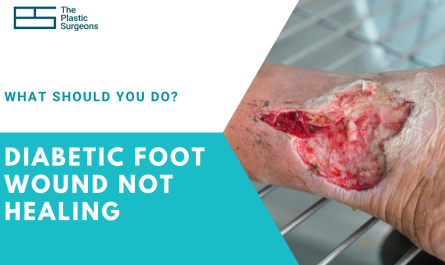
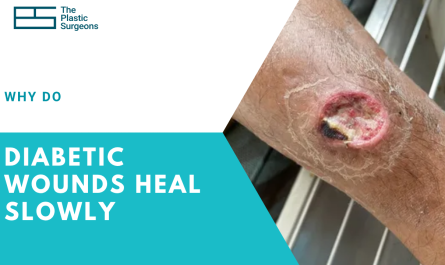
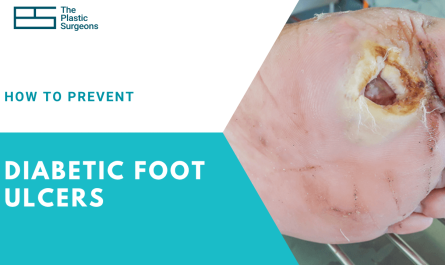
Having an ulcer does not automatically mean that amputation is inevitable.
The important question is:
Why is the ulcer present, and why is it not healing?
A healthcare team may evaluate:
- Wound size and depth
- Infection
- Blood supply
- Neuropathy
- Pressure on the ulcer
- Foot deformity
- Bone or joint involvement
- Blood glucose management
- Other medical conditions
Treatment may involve several components.
Wound Care
The wound may require professional cleaning, dressings, monitoring, and debridement when clinically appropriate.
Offloading
If pressure is contributing to the ulcer, reducing mechanical stress is an essential part of treatment.
The appropriate offloading method depends on the location and characteristics of the ulcer and the patient’s overall condition.
Infection Management
If infection is present, it should be diagnosed and treated appropriately.
More serious infections may require hospital care or surgery.
Circulation Assessment
If poor blood flow is suspected, vascular assessment may be required.
Treating significant PAD can be an important component of limb-preservation treatment.
Diabetes Management
Your diabetes treatment plan should continue to be managed alongside wound treatment.
Can Surgery Help Prevent Amputation?
Surgery does not always mean removing the foot or leg.
In selected cases, surgery may help preserve the limb by addressing the underlying problem.
Depending on the situation, surgical treatment may include:
- Removal of infected or non-viable tissue
- Drainage of an abscess
- Treatment of deeper infection
- Procedures to reduce abnormal pressure
- Correction of selected foot deformities
- Vascular procedures when indicated
- Reconstruction of significant tissue defects
The goal is to control the disease while preserving as much healthy and functional tissue as possible.
What Is the Role of Reconstructive Surgery in Limb Preservation?
Some diabetic foot wounds result in substantial tissue loss after infection, debridement, trauma, or other complications.
When there is a significant soft-tissue defect, reconstructive surgery may be considered after the wound has been appropriately assessed and important factors such as infection and blood supply have been addressed.
Depending on the defect, reconstruction may involve:
- Skin grafting
- Local tissue rearrangement
- Regional flaps
- More complex flap procedures
Not every diabetic foot wound needs reconstructive surgery.
The decision depends on:
- Wound size
- Wound depth
- Blood supply
- Infection status
- Exposed bone or tendon
- Quality of surrounding tissue
- Pressure distribution
- Overall health
- Ability to protect the reconstructed area during healing
The aim is to provide durable tissue coverage and support function while reducing the chance of recurrent breakdown.
Warning Signs That Need Prompt Medical Attention
Do not wait if you notice any of the following:
- A new foot ulcer
- Increasing redness around a wound
- Significant swelling
- Increasing warmth
- Pus or drainage
- Foul smell
- Rapidly enlarging wound
- Black, blue, or severely discoloured tissue
- Fever or chills
- Feeling unusually unwell
- Sudden change in foot shape
- A hot, red, swollen foot
- New or worsening numbness
- A wound that is not healing
A hot, red, swollen foot in a person with diabetes and neuropathy can have several possible causes, including infection or Charcot foot, and should be assessed promptly rather than treated as simple swelling.
What Should You Do If You Have Already Had an Amputation?
A previous amputation does not mean another amputation is unavoidable.
However, it places you in a higher-risk category for future foot complications.
After an amputation, prevention should include:
- Regular examination of the remaining foot
- Daily foot inspection
- Appropriate footwear
- Pressure management
- Monitoring for skin breakdown
- Diabetes management
- Assessment of circulation
- Professional foot care
- Prompt treatment of any new wound
IWGDF classifies people with loss of protective sensation or peripheral arterial disease plus a history of lower-extremity amputation as high risk and recommends more frequent screening.
Common Mistakes That Increase the Risk of Diabetic Foot Complications
Avoid these common mistakes:
Ignoring a painless wound
Neuropathy can reduce pain, so a painless wound can still be serious.
Waiting for an ulcer to become large
Early treatment is generally preferable to waiting until deeper tissues are involved.
Walking barefoot
This increases exposure to preventable injuries.
Wearing uncomfortable shoes
Repeated friction and pressure can cause skin breakdown.
Cutting calluses with a blade
This can create an additional wound.
Using home remedies on an ulcer
Unproven or harsh treatments may damage tissue or delay appropriate care.
Ignoring poor circulation
A wound that repeatedly fails to heal needs evaluation for underlying causes, including vascular disease.
Treating the wound but not the pressure
If excessive pressure continues, the wound may repeatedly break down.
Waiting because there is no pain
Pain is not a reliable indicator of severity when sensation is reduced.
A Simple Daily Diabetic Foot Protection Routine
A few minutes each day can help you identify problems early.
Morning
- Check your feet.
- Check your socks.
- Inspect the inside of your shoes.
- Put on properly fitting footwear.
During the Day
- Avoid walking barefoot.
- Avoid prolonged pressure on vulnerable areas.
- Pay attention to rubbing or discomfort.
- Protect your feet from excessive heat.
Evening
- Remove your shoes and socks.
- Inspect both feet carefully.
- Check between the toes.
- Look for redness, swelling, cuts, blisters, or changes in skin colour.
- Report concerning changes promptly.
This routine is particularly valuable for people who have neuropathy or other risk factors for diabetic foot complications.
Can Diabetic Foot Amputation Always Be Prevented?
No prevention strategy can guarantee that amputation will never be necessary.
Some severe infections, extensive tissue damage, or critical circulation problems may become impossible to manage without removing affected tissue.
However, many risk factors are identifiable and treatable, and prevention focuses on reducing the chance that a small foot problem progresses to a limb-threatening complication.
The goal is not to promise that amputation can never occur. The goal is to identify risk early, treat problems promptly, and preserve the foot whenever medically possible.
Frequently Asked Questions
Can diabetic foot amputation be prevented?
In many cases, the risk can be significantly reduced through daily foot checks, appropriate footwear, regular professional examinations, diabetes management, early treatment of wounds, infection control, pressure reduction, and assessment of circulation when needed. However, prevention cannot guarantee that amputation will never be necessary.
What is the most important way to prevent diabetic foot amputation?
There is no single step. A combination of daily foot inspection, risk-based professional screening, appropriate footwear, good diabetes management, and early treatment of wounds is important.
Can a small diabetic foot ulcer heal without amputation?
Yes. Many ulcers can be managed without amputation. Treatment depends on the wound’s depth, infection status, circulation, pressure, and other individual factors.
Does diabetic neuropathy increase amputation risk?
Neuropathy can increase risk because reduced protective sensation may allow injuries and ulcers to go unnoticed. Early detection and regular foot inspection are therefore especially important.
Does poor circulation increase the risk of amputation?
Yes. Poor arterial circulation can impair wound healing and make infections more difficult to control. If a diabetic foot ulcer is not healing as expected, circulation may need to be assessed.
Should people with diabetes walk barefoot at home?
People at risk of diabetic foot complications are generally advised to protect their feet and avoid barefoot walking because injuries may occur without being noticed.
Can reconstructive surgery help avoid amputation?
In selected cases, reconstructive surgery can help provide coverage for significant tissue defects as part of a broader limb-preservation strategy. It is not appropriate for every wound, and the wound’s infection status, blood supply, tissue condition, and overall health must first be assessed.
When should I seek urgent medical attention?
Seek prompt medical attention for a new or worsening ulcer, spreading redness, significant swelling, pus, foul-smelling drainage, black or severely discoloured tissue, fever, or a sudden hot, red, swollen foot. Do not wait for severe pain, especially if you have neuropathy.
For clinical information, visit our diabetic foot treatment page, review lower-limb reconstruction, or contact the clinic.
Dr. Vinay Jacob and Diabetic Foot Reconstruction
Dr. Vinay Jacob is a plastic and reconstructive surgeon who manages complex wounds requiring specialised soft-tissue reconstruction.
For selected patients with significant diabetic foot tissue loss, reconstructive surgery may form part of a multidisciplinary limb-preservation plan. The appropriate treatment depends on the wound, blood supply, infection status, tissue quality, pressure distribution, and overall medical condition.
The objective of reconstruction, when appropriate, is to provide durable coverage and support function while reducing the risk of recurrent wound breakdown.
If you have diabetes and notice a new wound, ulcer, swelling, redness, warmth, or other change in your foot, early medical assessment is important.
Conclusion
Preventing diabetic foot amputation starts with preventing foot ulcers and treating foot problems before they become severe.
Diabetic neuropathy can make injuries difficult to notice, while peripheral arterial disease can interfere with healing. Repeated pressure, inappropriate footwear, foot deformities, infection, and delayed treatment can further increase the risk of serious complications.
The most important habits are simple: check your feet every day, protect them from injury, wear appropriate footwear, manage diabetes and other health risks, attend regular foot examinations, and seek medical attention early when something changes.
If a wound or ulcer has already developed, do not assume that amputation is inevitable. A comprehensive assessment can identify potentially treatable problems such as infection, pressure, poor circulation, or tissue loss and help determine the most appropriate limb-preservation approach.
Sources: NIDDK: Diabetes & Foot Problems, American Diabetes Association: Foot Complications, and CDC: Preventing Diabetes-Related Amputations.
Medical Disclaimer: This article is intended for general educational purposes and does not replace an in-person medical examination, diagnosis, or personalised treatment plan. If you have diabetes and develop a new, worsening, infected, or non-healing foot wound, seek appropriate medical care promptly.