Written and medically reviewed by Dr. Vinay Jacob, MS, MCh, DNB
Member, Indian Society of Reconstructive Microsurgery (ISRM)
Medical review: August 14, 2026 | Last updated: August 13, 2026 | Editorial policy
Diabetes can affect the health of your feet in ways that are not always easy to notice. Over time, high blood sugar can contribute to nerve damage and circulation problems. As a result, a small cut, blister or pressure spot may go unnoticed or take longer to heal.
This is why knowing the early signs of diabetic foot problems is so important. Detecting changes early and getting appropriate medical care can help prevent a minor foot problem from becoming a serious wound or infection.
If you have diabetes, make it a habit to check your feet regularly and never ignore a new or unexplained change.
Why Does Diabetes Affect the Feet?
Diabetes can affect the feet primarily through two complications: nerve damage and circulation problems.
Nerve Damage
Diabetic neuropathy can reduce sensation in the feet. You may not feel:
- A small cut
- A blister caused by footwear
- A burn
- A pressure point
- A minor injury
Some people may instead experience tingling, burning or unusual sensations.
When an injury is not noticed, continued pressure or friction can make it worse.
Reduced Blood Flow
Diabetes can also contribute to blood vessel problems that affect circulation to the lower limbs.
Poor circulation can make it more difficult for damaged tissue to receive the oxygen and nutrients needed for healing.
When reduced sensation and circulation problems occur together, foot injuries require particular attention.
10 Early Signs of Diabetic Foot Problems
Knowing what to look for can help you recognise problems before they become more serious.
1. Numbness, Tingling or Burning
Changes in sensation can be an early sign of diabetic nerve damage.
You may experience:
- Numbness
- Tingling
- Pins-and-needles sensations
- Burning
- Unusual sensitivity
- Reduced ability to feel temperature or pressure
Do not assume that numbness is harmless. Reduced sensation can make it easier to overlook an injury.
If you notice new or worsening changes in sensation, discuss them with your healthcare professional.
2. Redness or Unusual Warmth
A foot that suddenly becomes red or warmer than usual may indicate inflammation or infection.
Pay particular attention if:
- The redness is new.
- It is spreading.
- One foot looks noticeably different from the other.
- There is swelling or pain.
- A wound is present.
Redness around an existing cut or ulcer should be assessed promptly.
3. Swelling of the Foot or Ankle
New or unexplained swelling should not be ignored.
Swelling can occur for many reasons, and it does not always mean that you have a diabetic foot complication. However, when swelling occurs with redness, warmth, a wound or other changes, medical assessment is important.
Compare both feet regularly so that you can recognise changes more easily.
4. Changes in Skin Colour or Temperature
Pay attention to changes such as:
- Pale skin
- Bluish or purple discoloration
- Darkened areas
- Unusually cold skin
- Significant differences in temperature between the feet
These changes may indicate circulation problems or another condition requiring assessment.
Sudden or significant colour changes should receive prompt medical attention.
5. Cuts, Blisters or Cracked Skin
A small break in the skin can become an entry point for bacteria.
Look carefully for:
- Cuts
- Scratches
- Blisters
- Cracks around the heels
- Puncture wounds
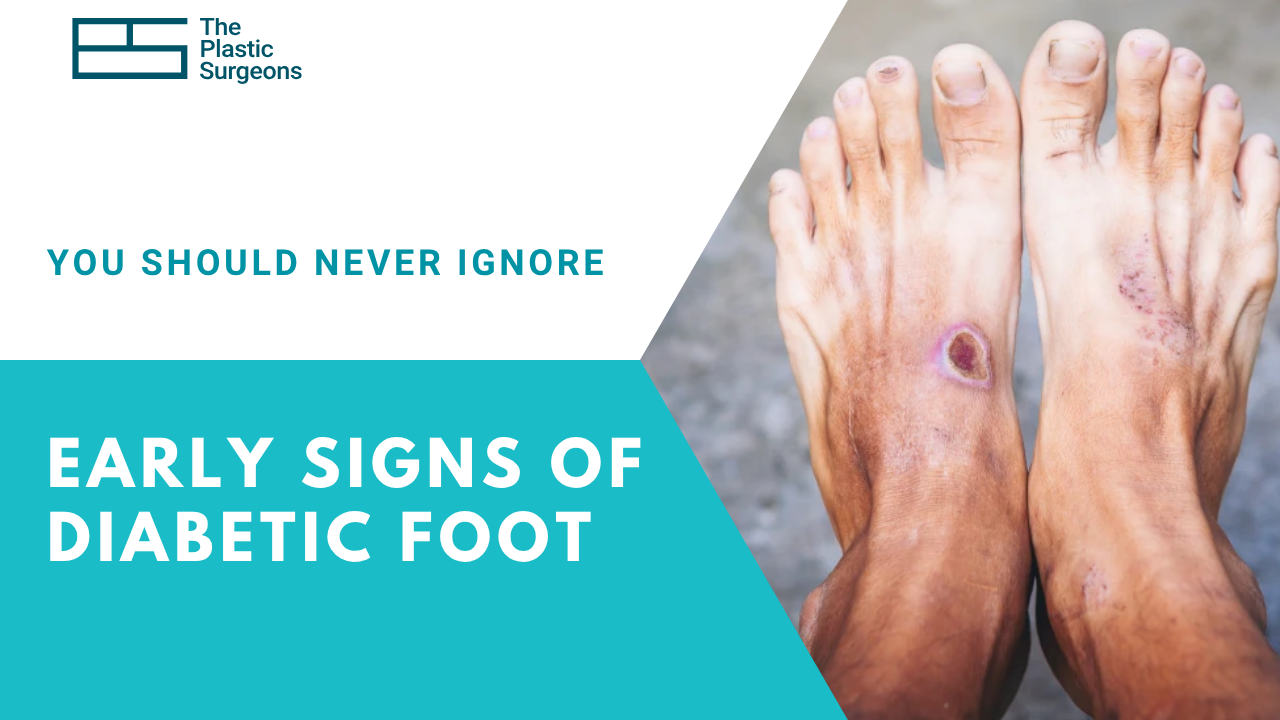
- Sores
Don’t dismiss a small injury simply because it doesn’t hurt. Reduced sensation can make significant wounds painless.
6. A Wound That Does Not Heal
One of the most important warning signs is a wound that does not heal as expected.
A wound deserves medical attention if it:
- Remains open
- Gets larger
- Continues draining
- Becomes increasingly red or swollen
- Develops an unpleasant smell
- Shows no clear improvement
People with diabetes should not wait for a wound to become severe before seeking professional advice.
7. Calluses or Corns With Dark or Dried Blood
Calluses develop when repeated pressure or friction affects the skin.
A callus with dark or dried blood underneath can be a warning that there is an injury beneath the thickened skin.
Do not cut or shave the callus yourself.
A healthcare professional can assess the area and determine whether pressure or an underlying wound is involved.
8. Changes Around the Toenails
Pay attention to:
- Ingrown toenails
- Redness around the nail
- Swelling
- Discharge
- Fungal changes
- Thickened or damaged nails
An infected or ingrown toenail can damage surrounding skin and potentially develop into a more serious problem, particularly when sensation or circulation is impaired.
If you have difficulty safely trimming your nails, ask your healthcare professional for guidance rather than attempting risky self-treatment.
9. A Change in Foot Shape
A noticeable change in the shape or structure of your foot should be assessed.
You may notice:
- A new change in arch shape
- Prominent areas of bone
- Increasing pressure in one area
- A change in how your shoes fit
In some people with diabetes and nerve damage, structural changes can increase pressure on certain parts of the foot and contribute to ulcer formation.
10. Shoes Suddenly Feel Different
If a previously comfortable pair of shoes suddenly feels tight or uncomfortable, don’t simply ignore it.
A change in shoe fit may be related to:
- Swelling
- A developing pressure point
- A change in foot shape
- A skin problem
- Another underlying foot condition
Check your feet whenever your footwear begins rubbing or causing discomfort.
What Should You Do If You Notice These Signs?
If you notice a new change, examine your foot carefully and avoid putting unnecessary pressure on the affected area.
Depending on the problem, you may need professional assessment.
In particular, do not:
- Walk barefoot.
- Cut corns or calluses yourself.
- Use strong chemical corn removers.
- Ignore a wound because it is painless.
- Continue wearing footwear that causes rubbing.
- Delay medical attention when a wound is worsening.
Early assessment can help determine what is causing the problem and whether specialist treatment is required.
When Is a Diabetic Foot Problem Urgent?
Some signs require prompt or urgent medical attention.
Seek urgent medical care if you notice:
- Pus or significant drainage
- Rapidly spreading redness
- Severe swelling
- A foul or unusual smell from a wound
- Black or dead-looking tissue
- A deep or rapidly worsening wound
- Fever or feeling generally unwell
- Sudden major changes in skin colour
- Severe or rapidly increasing pain
Importantly, do not wait for pain before seeking help. Neuropathy can reduce sensation, meaning a serious foot wound may not necessarily be painful.
Can a Small Cut Become a Serious Diabetic Foot Problem?
Yes, it can.
A small injury may become more complicated when reduced sensation, pressure, infection or impaired circulation is present.
For example, a person may develop a blister from a shoe without feeling it. Continued friction can break the skin, and bacteria may then enter the wound.
If the wound is not recognised and treated appropriately, infection and deeper tissue damage can develop.
This is why daily foot inspection is such an important habit for people with diabetes.
How Can You Prevent Diabetic Foot Problems?
Prevention starts with consistent foot care.
Check Your Feet Every Day
Inspect:
- The tops of your feet
- Soles
- Heels
- Between your toes
- Around your toenails
Use a mirror or ask someone to help if you cannot see the soles properly.
Keep Your Feet Clean and Dry
Wash your feet with lukewarm water and dry them carefully, particularly between the toes.
If your skin is dry, use an appropriate moisturiser on dry areas but avoid applying it between the toes.
Wear Appropriate Footwear
Choose shoes that fit properly and do not create pressure points.
Check the inside of your shoes before wearing them to make sure there are no stones, rough seams or other objects that could injure your feet.
Avoid Walking Barefoot
Walking barefoot increases the risk of cuts, burns and other injuries, particularly when sensation is reduced.
Protect Your Skin
Do not use sharp instruments to remove calluses or corns yourself.
If you have difficulty caring for your feet safely, ask your healthcare professional for appropriate assistance.
Why Regular Foot Examinations Matter
Daily self-checks are valuable, but they do not replace professional examinations.
Your healthcare team may assess:
- Sensation
- Blood circulation
- Skin condition
- Foot structure
- Pressure points
- Existing wounds
- Overall risk of diabetic foot complications
How often you need professional foot examinations depends on your individual risk factors and diabetes-related complications.
What Happens If a Diabetic Foot Wound Does Not Heal?
A wound that does not heal may require more than basic wound care.
Treatment depends on factors such as:
- Wound depth
- Infection
- Blood supply
- Pressure on the affected area
- Nerve function
- Blood glucose control
- Overall health
Some wounds can be managed with wound care, pressure relief and treatment of underlying problems.
More complex wounds may require coordinated care involving multiple specialists.
Role of Reconstructive Surgery in Diabetic Foot Care
When a diabetic foot wound is extensive or fails to heal despite appropriate treatment, reconstructive surgery may sometimes be considered.
Plastic and reconstructive surgeons can help provide tissue coverage for selected complex wounds using techniques such as:
- Skin grafts
- Local flaps
- Regional flaps
- Microsurgical free tissue transfer
The appropriate technique depends on the wound and the patient’s overall condition.
Reconstructive surgery is generally part of a multidisciplinary limb-preservation approach. It does not replace diabetes management, infection treatment, vascular assessment or appropriate wound care.
Why Early Treatment Can Make a Difference
The earlier a diabetic foot problem is recognised, the sooner the underlying cause can be assessed.
Prompt treatment may help address problems such as:
- Infection
- Pressure
- Poor circulation
- Neuropathy
- Tissue damage
- Non-healing wounds
The goal is to protect healthy tissue, support wound healing and, when possible, preserve the function of the limb.
Why Consult Dr. Vinay Jacob for Diabetic Foot Reconstruction?
Dr. Vinay Jacob, MS, MCh, DNB, is a plastic and reconstructive surgeon with experience in microsurgery and lower-limb reconstruction.
His reconstructive expertise can be relevant for patients with complex diabetic foot wounds that require advanced tissue coverage or reconstruction as part of a multidisciplinary treatment plan.
The need for reconstructive surgery is determined after evaluating the wound, blood supply, infection status, tissue condition and overall medical health.
Frequently Asked Questions
What is the first sign of diabetic foot problems?
There is no single first sign. Numbness, tingling, burning, redness, swelling, skin changes, calluses, blisters or wounds can all indicate a potential problem.
Can diabetic foot problems occur without pain?
Yes. Nerve damage can reduce sensation, so a wound or infection may develop without significant pain.
How often should I check my feet?
If you have diabetes, checking your feet every day is a useful habit. Look at the tops, soles, heels and spaces between the toes.
Should I cut a diabetic foot callus myself?
It is safer not to cut or shave corns and calluses yourself, particularly if you have reduced sensation or circulation problems. Seek professional guidance instead.
When should I see a doctor for a diabetic foot wound?
Seek medical advice promptly for a new wound, particularly if it is not healing, becomes red or swollen, produces drainage, develops an unpleasant smell or is getting worse.
Can diabetic foot ulcers be treated without surgery?
Many diabetic foot wounds can be managed without reconstructive surgery when diagnosed and treated appropriately. However, complex or non-healing wounds may require specialist procedures, including reconstruction in selected cases.
Final Thoughts
The early signs of diabetic foot problems can be easy to overlook, especially when nerve damage reduces sensation. Numbness, burning, redness, swelling, skin colour changes, calluses, blisters and wounds should not be dismissed simply because they seem minor or painless.
Make daily foot checks part of your routine, wear appropriate footwear, avoid treating corns and calluses yourself, and seek professional advice when you notice a new or worsening change.
If you have a non-healing diabetic foot wound, signs of infection or a complex lower-limb wound, timely specialist assessment is important. For patients who require advanced wound coverage or reconstructive surgery, Dr. Vinay Jacob and his reconstructive team can evaluate whether a surgical approach is appropriate as part of multidisciplinary diabetic foot care.
For more information, explore the diabetic foot treatment in Mumbai, lower-limb reconstruction, or contact the clinic pages to discuss your concerns and understand the appropriate next steps.
This article is intended for general education and does not replace a medical examination, diagnosis or personalised treatment advice.
Medical references: CDC and NIDDK resources on diabetes-related foot problems and warning signs.