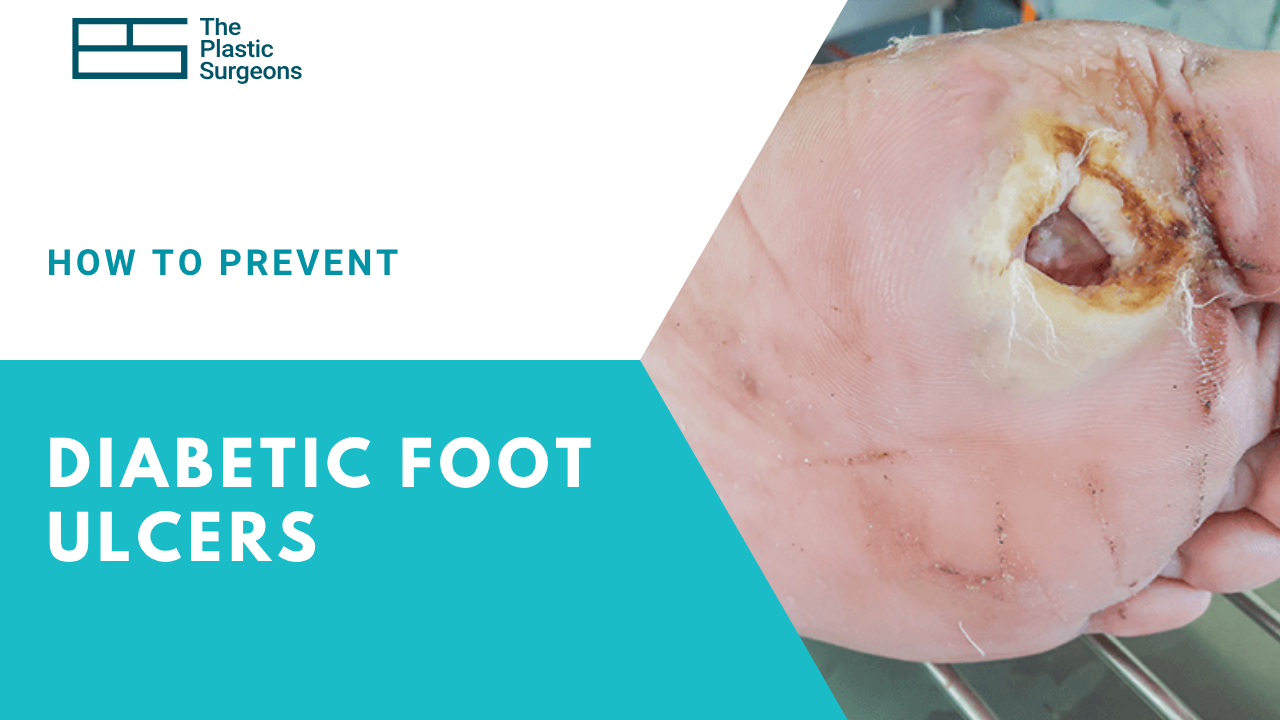
Diabetic foot ulcers can develop from something as small as a blister, cut, crack or area of repeated pressure. Because diabetes can affect sensation and circulation in the feet, an injury may go unnoticed or take longer to heal. The good news is that many diabetic foot problems can be reduced through consistent foot care, appropriate footwear, regular medical screening and early attention to warning signs.
If you have diabetes, taking a few minutes each day to look after your feet can help identify problems before they become more serious. This guide explains how to prevent diabetic foot ulcers, what habits to follow every day and when you should seek professional medical advice.
Why Are People With Diabetes at Risk of Foot Ulcers?
Diabetes can affect the feet through several mechanisms.
Nerve damage
Long-term diabetes can damage nerves, particularly those in the feet. This condition, known as peripheral neuropathy, can reduce the ability to feel pain, pressure, heat or injury.
A person may therefore develop a blister or cut without realizing it.
Reduced blood circulation
Diabetes can also be associated with peripheral artery disease, which can reduce blood flow to the legs and feet.
Good circulation is important for delivering oxygen and nutrients to tissues and supporting wound healing.
Repeated pressure
Walking repeatedly on an area of increased pressure can damage the skin and underlying tissues. Poorly fitting shoes, deformities and abnormal pressure distribution can increase this risk.
Previous ulcers
If you have had a diabetic foot ulcer before, you may be at higher risk of developing another one. Preventive care is therefore particularly important after a previous ulcer has healed.
Because these risk factors can occur together, diabetic foot prevention involves more than simply keeping the feet clean.
How to Prevent Diabetic Foot Ulcers
1. Check Your Feet Every Day
Daily inspection is one of the simplest and most important prevention habits.
Look carefully at:
- The tops of your feet
- The soles
- The heels
- The sides of your feet
- The spaces between your toes
- Around your toenails
Look for cuts, blisters, redness, swelling, cracks, calluses, colour changes, drainage or areas that appear different from normal.
If you cannot see the bottom of your feet, use a mirror or ask someone to help.
Daily inspection is especially important if you have reduced sensation because an injury may not cause pain. NIDDK recommends checking the feet every day as part of diabetes foot care.
2. Never Ignore a Small Foot Injury
A tiny cut or blister may seem insignificant, but it can become problematic if pressure continues to irritate the area or if infection develops.
If you notice broken skin:
- Protect the area appropriately.
- Reduce pressure on it.
- Keep monitoring it.
- Avoid walking unnecessarily on the affected area.
- Seek medical advice if it is not healing or shows concerning changes.
Do not wait for the wound to become painful. Neuropathy can reduce pain sensation.
3. Wear Comfortable, Properly Fitting Shoes
Footwear plays an important role in preventing pressure-related injuries.
Your shoes should:
- Fit comfortably
- Provide enough room for your toes
- Avoid rubbing against the skin
- Provide appropriate support
- Protect the entire foot
- Avoid creating pressure points
If you have neuropathy, a foot deformity or a history of ulcers, ask your healthcare professional whether therapeutic footwear or customized insoles may be appropriate.
The IWGDF recommends appropriate footwear and, for people at higher risk, professionally recommended therapeutic footwear where indicated.
4. Check Your Shoes Before Putting Them On
Always inspect the inside of your shoes before wearing them.
A small stone, rough edge, torn lining or foreign object can repeatedly rub against the foot without being noticed.
Turn the shoes over, feel inside carefully and remove anything that could injure your skin.
This simple habit is particularly valuable if you have reduced sensation.
5. Avoid Walking Barefoot
Walking barefoot can expose your feet to cuts, burns, puncture wounds and other injuries.
This applies not only outdoors but also to situations where you might assume the floor is safe.
If you have diabetic neuropathy or are at increased risk of foot ulceration, protective footwear should be used according to your healthcare professional’s advice.
6. Keep Your Feet Clean and Dry
Wash your feet regularly with warm—not very hot—water and a mild cleanser.
After washing:
- Dry the feet carefully.
- Pay particular attention to the spaces between the toes.
- Avoid vigorous rubbing.
- Check the skin for any changes.
If you have reduced sensation, be careful with water temperature because you may not recognize excessive heat.
7. Moisturise Dry Skin Safely
Dry skin can crack and create openings through which bacteria may enter.
If your feet are dry, use a suitable moisturiser on the skin.
However, generally avoid applying moisturiser between the toes because excess moisture in this area can contribute to skin problems.
If you have persistent cracking or significant skin changes, ask a healthcare professional for advice rather than relying solely on home remedies.
8. Take Care of Your Toenails
Toenail injuries can become an entry point for infection.
When trimming your nails:
- Avoid cutting them too short.
- Do not cut deeply into the corners.
- Avoid injuring the surrounding skin.
- Do not pick at ingrown nails.
If your nails are thick, difficult to reach or you have reduced sensation or poor circulation, professional assistance may be safer.
9. Do Not Cut Calluses or Corns Yourself
Calluses usually develop because of repeated pressure or friction. They may therefore provide an important clue that a particular area of the foot is experiencing excessive pressure.
Do not try to remove them with:
- Razor blades
- Scissors
- Knives
- Other sharp instruments
Avoid chemical corn or callus removers unless specifically recommended by a healthcare professional.
Instead, have persistent calluses assessed so that the underlying pressure problem can also be addressed.
10. Protect Your Feet From Heat and Burns
Neuropathy can make it difficult to recognize excessive heat.
Avoid placing your feet directly against:
- Heating pads
- Hot-water bottles
- Room heaters
- Very hot surfaces
Be careful when bathing and always check water temperature before putting your feet into a bath or basin.
A burn that goes unnoticed can develop into a wound.
11. Manage Diabetes and Other Health Risks
Foot-ulcer prevention is closely connected with overall diabetes management.
Work with your healthcare team to manage your:
- Blood glucose
- Blood pressure
- Cholesterol
- Weight and overall metabolic health
- Smoking status
If you smoke, discuss smoking cessation with your healthcare professional. Smoking can negatively affect circulation and is an important modifiable risk factor.
Good overall diabetes care does not guarantee that a foot ulcer will never occur, but it is an important part of reducing complications.
12. Get Your Feet Professionally Examined
Daily self-checks are important, but they do not replace professional foot examinations.
A healthcare professional can assess:
- Protective sensation
- Blood circulation
- Skin condition
- Calluses
- Foot deformities
- Pressure points
- Previous ulcer sites
- Other risk factors
The frequency of examination depends on your individual risk.
People with neuropathy, peripheral artery disease, a previous ulcer, previous amputation or significant foot deformity may require closer monitoring.
Prevent Pressure Before It Causes an Ulcer
Pressure is an important contributor to many diabetic foot ulcers.
For example, if a shoe repeatedly presses against one area of the foot, the skin may develop a callus. Continued pressure can damage the tissue underneath.
Similarly, an ulcer on the sole may continue to experience pressure every time you walk.
This is why prevention is not simply about wound dressing. Identifying and reducing the mechanical cause of the problem is equally important.
Your healthcare professional may recommend:
- Better-fitting footwear
- Therapeutic shoes
- Custom inserts
- Offloading devices
- Activity modification
- Treatment of specific foot deformities
For people with diabetes-related foot ulcers, appropriate offloading is a key component of treatment and can also help prevent continued pressure-related damage.
What Are the Early Warning Signs of a Foot Problem?
You should regularly look for changes such as:
- Redness
- Swelling
- Blisters
- Cuts
- Cracked skin
- New calluses
- Skin colour changes
- Increased warmth
- Drainage
- Bleeding
- Bad odour
- Nail problems
- A wound that is not healing
- Changes in foot shape
Even if there is no pain, these changes deserve attention.
Why Can a Diabetic Foot Wound Be Painless?
One of the most important things to understand about diabetic foot care is that pain may not always be present.
Peripheral neuropathy can reduce sensation in the feet. As a result, a person may not notice a blister, cut or pressure injury.
This means that waiting for pain before checking your feet is not a reliable prevention strategy.
Visual inspection is essential.
What Should You Do If You Find a Cut or Blister?
If you discover an injury, do not ignore it.
Reduce pressure on the affected area and arrange an appropriate medical assessment, particularly if you have reduced sensation or a history of foot ulcers.
Avoid:
- Cutting the wound
- Applying harsh chemicals
- Popping blisters
- Removing surrounding tissue yourself
- Walking repeatedly on the injured area
If the area becomes increasingly red, swollen, warm or painful, or if you notice drainage or an unpleasant smell, seek medical attention promptly.
When Is a Diabetic Foot Problem an Emergency?
Certain symptoms require urgent medical attention.
These include:
- Rapidly spreading redness
- Significant swelling
- Pus or substantial drainage
- Fever or chills
- Black or dead-looking tissue
- A rapidly worsening wound
- A deep wound
- Visible or exposed bone
- Severe changes in foot colour or temperature
- Signs of a serious infection
A severe diabetic foot infection can progress quickly and may require coordinated medical and surgical treatment.
Can Diabetic Foot Ulcers Be Completely Prevented?
There is no way to guarantee that a person with diabetes will never develop a foot ulcer.
However, prevention strategies can significantly reduce avoidable risks.
The most important habits include:
Inspect → Protect → Reduce Pressure → Treat Early → Follow Up
Regular foot checks help identify problems. Appropriate footwear protects the skin. Pressure management reduces repeated trauma. Early assessment can prevent a small wound from becoming more complicated. Regular follow-up helps manage ongoing risk factors.
What Happens If a Diabetic Foot Ulcer Does Not Heal?
Some diabetic foot wounds can become chronic despite appropriate initial care.
A non-healing wound may require a more detailed assessment of:
- Infection
- Blood circulation
- Neuropathy
- Pressure
- Foot deformity
- Blood glucose management
- Tissue quality
- Bone involvement
Treatment may involve wound care, offloading, infection management, vascular treatment or surgery depending on the underlying problem.
Not every diabetic foot ulcer requires reconstructive surgery.
When Is Reconstructive Surgery Considered?
In complex cases, a diabetic foot ulcer may result in significant loss of skin and soft tissue.
If important structures such as tendon or bone are exposed, simply applying a dressing may not provide adequate long-term coverage.
Once infection and other underlying issues have been appropriately addressed, reconstructive surgery may be considered in selected patients.
Depending on the wound, reconstruction can involve:
- Skin grafts
- Local tissue rearrangement
- Regional flaps
- Microsurgical free-flap reconstruction in selected complex cases
The objective is not simply to close the wound. The surgical plan must take into account blood supply, infection, pressure, tissue quality, foot function and the patient’s overall health.
Reconstructive surgery may therefore form part of a multidisciplinary limb-preservation strategy when appropriate.
A Simple Daily Diabetic Foot Prevention Routine
You do not need a complicated routine to care for your feet.
Every morning
- Check that your footwear fits comfortably.
- Inspect the inside of your shoes.
- Wear clean, appropriate socks.
During the day
- Avoid walking barefoot.
- Watch for rubbing or pressure from footwear.
- Protect your feet from extreme temperatures.
- Avoid prolonged pressure on areas that are already irritated.
Every evening
- Inspect both feet carefully.
- Check the soles and between the toes.
- Look for blisters, cuts, redness or swelling.
- Wash and dry your feet carefully.
- Moisturise dry areas while avoiding the spaces between the toes.
This routine takes only a few minutes and can help you identify changes early.
Frequently Asked Questions About Preventing Diabetic Foot Ulcers
How often should I check my feet if I have diabetes?
You should generally inspect your feet every day. If you have neuropathy, poor circulation, a previous ulcer or another high-risk condition, your healthcare professional may recommend additional monitoring.
Can I walk barefoot if I have diabetes?
If you have reduced sensation or are at increased risk of ulceration, walking barefoot should be avoided because you may injure your feet without realizing it.
Are diabetic foot ulcers always painful?
No. Neuropathy can reduce sensation and make a foot ulcer painless or less painful than expected.
Can good blood sugar control prevent diabetic foot ulcers?
Good diabetes management is an important part of reducing complications, but it cannot eliminate every risk. Foot inspection, appropriate footwear, pressure management and professional screening are also important.
Should I cut a callus if it becomes thick?
Do not cut a callus yourself with a blade or other sharp instrument. Have it assessed by an appropriately trained healthcare professional.
Can wearing the wrong shoes cause diabetic foot ulcers?
Yes. Shoes that create repeated friction or pressure can contribute to blisters, calluses and tissue injury, particularly when sensation is reduced.
What is the best way to prevent a diabetic foot ulcer?
There is no single prevention measure. A combination of daily foot inspection, appropriate footwear, pressure management, safe skin and nail care, diabetes management and regular professional assessment provides the strongest overall approach.
For clinical information, visit our diabetic foot treatment page, review lower-limb reconstruction, or contact the clinic.
Takeaway
Knowing how to prevent diabetic foot ulcers starts with understanding that small foot problems should never be ignored when you have diabetes. A blister, crack, callus or tiny cut can become more difficult to manage when sensation or circulation is impaired.
Make daily foot inspection part of your routine, wear protective and properly fitting footwear, avoid barefoot walking, protect your feet from heat and injury, and seek medical advice when you notice anything unusual.
If a diabetic foot wound becomes persistent, infected or associated with significant tissue loss, specialist evaluation may be required. In selected complex cases, reconstructive surgery can form part of a multidisciplinary approach to wound healing and limb preservation.
Dr. Vinay Jacob, MS, MCh, DNB, is a plastic and reconstructive surgeon with experience in microsurgery and lower-limb reconstruction. For complex diabetic foot wounds requiring specialist tissue coverage, an individual assessment can help determine whether reconstructive treatment is appropriate alongside other aspects of diabetic foot care.
Sources: NIDDK: Diabetes & Foot Problems, American Diabetes Association: Foot Complications, and CDC: Preventing Diabetes-Related Amputations.
Disclaimer: This article is intended for general educational purposes and does not replace an in-person examination, diagnosis or personalised medical advice. Treatment and prevention recommendations should be tailored to your individual health, circulation, sensation, foot condition and diabetes-related risk factors.