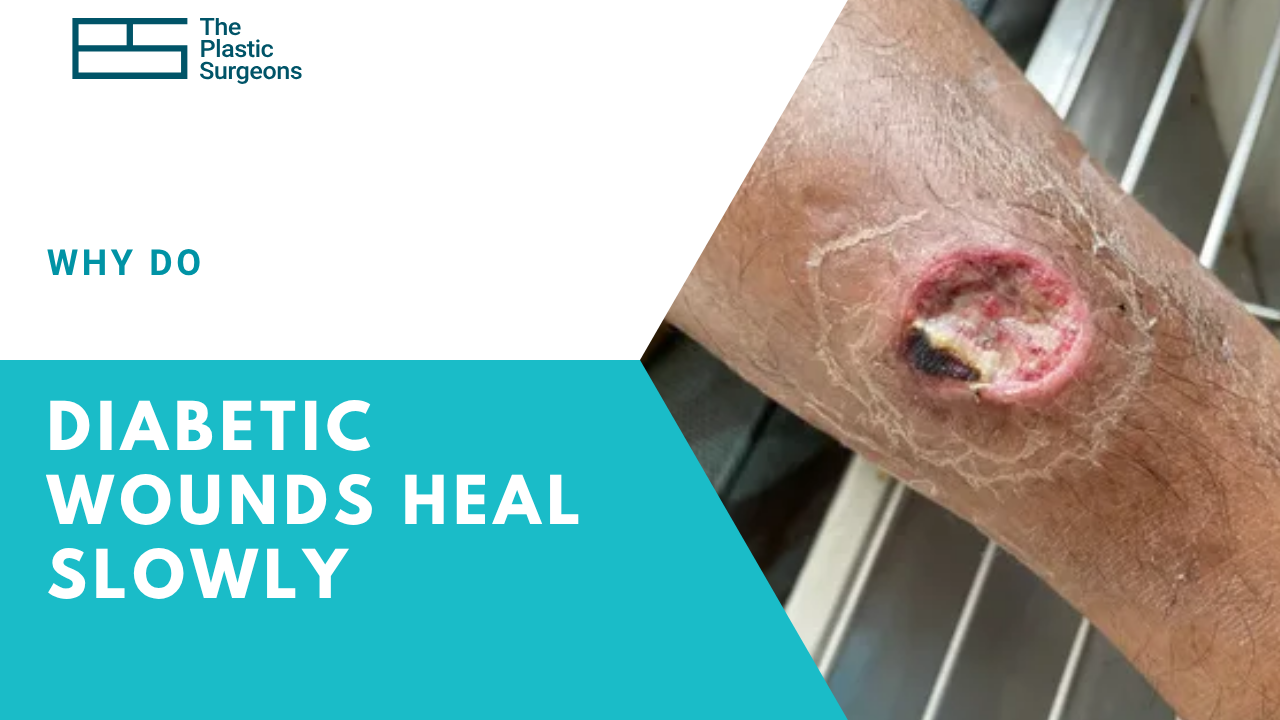
A small cut or wound may heal normally in a healthy person, but wounds can take considerably longer to heal in people with diabetes. This is because diabetes can affect several processes that the body relies on for effective wound healing, including blood circulation, nerve function, immune response and tissue repair.
If you are wondering, “Why do diabetic wounds heal slowly?”, the answer is usually not one single factor. High blood glucose, reduced sensation, poor circulation, infection, repeated pressure and other health conditions can interact and make healing more difficult.
Recognizing these factors early is important. A wound that remains open, becomes larger or develops signs of infection should be medically evaluated rather than treated as an ordinary minor injury.
What Happens When a Wound Heals Normally?
Wound healing is a coordinated process involving several stages.
After an injury, the body first works to stop bleeding. Inflammation then helps protect the area and remove damaged tissue. Next, new tissue and blood vessels develop, followed by gradual strengthening and remodeling of the repaired tissue.
For this process to work properly, the wound needs adequate:
- Blood supply
- Oxygen
- Nutrients
- Immune activity
- Healthy tissue
- Protection from repeated trauma
Diabetes can interfere with several of these requirements at the same time.
Why Do Diabetic Wounds Heal Slowly?
1. High Blood Sugar Can Interfere With Healing
Persistently elevated blood glucose can affect the body’s ability to respond effectively to injury.
High glucose levels are associated with changes in blood vessels, nerves and immune function. These changes can interfere with the coordinated processes required for tissue repair.
This does not mean that every person with diabetes will develop a non-healing wound. However, maintaining diabetes within the targets recommended by your healthcare team is an important part of reducing diabetes-related complications.
2. Nerve Damage Can Allow Injuries to Go Unnoticed
One of the most important reasons diabetic foot wounds can become complicated is peripheral neuropathy.
Diabetic neuropathy can reduce sensation in the feet. A person may not notice:
- A blister
- A small cut
- A pressure point
- A burn
- A stone inside the shoe
- Repeated friction
- A developing ulcer
NIDDK notes that loss of sensation can allow pressure and injuries to cause blisters and sores without being noticed, and these wounds can become difficult to heal and more prone to infection.
How does this affect healing?
Imagine a small blister developing under the foot.
If you can feel it, you may stop walking on that area and allow it to recover.
If neuropathy has reduced sensation, you may continue walking normally. Repeated pressure can damage the tissue further.
The sequence can become:
Small injury → unnoticed pressure → tissue damage → open wound → delayed healing
This is why daily foot inspection is particularly important for people with reduced sensation.
3. Poor Blood Circulation Reduces Oxygen and Nutrient Delivery
Adequate blood flow is essential for wound healing.
Blood delivers oxygen, nutrients and immune cells to injured tissue. Diabetes can be associated with peripheral artery disease (PAD), in which narrowed or blocked arteries reduce blood flow to the legs and feet.
When circulation is inadequate, the wound may not receive the resources it needs for repair.
Reduced blood flow can also make it more difficult for the body to fight infection.
NIDDK explains that reduced blood flow to the feet can make sores and infections harder to heal.
For this reason, poor circulation should be considered when a diabetic wound is not healing as expected.
4. Infection Can Delay or Prevent Healing
An open wound creates an opportunity for microorganisms to enter damaged tissue.
If a diabetic wound becomes infected, inflammation and tissue damage can interfere with healing.
Warning signs may include:
- Increasing redness
- Swelling
- Warmth
- Pus or other drainage
- Unpleasant odour
- Increasing pain or tenderness
- Worsening wound size
- Fever or chills
However, pain may not always be prominent when neuropathy is present.
A suspected diabetic foot infection requires proper clinical assessment rather than assuming that every wound needs antibiotics. Treatment depends on whether infection is actually present and how severe it is.
5. Continued Pressure Can Keep Reopening the Wound
A wound cannot heal effectively if it is repeatedly subjected to the same mechanical stress.
This is particularly relevant for ulcers on the sole of the foot.
Every step can place pressure on the affected area. If the underlying cause of the wound is pressure and that pressure continues, the wound may fail to progress toward healing.
Doctors may therefore recommend offloading, which means reducing mechanical pressure on the ulcer.
Depending on the individual situation, offloading may involve:
- Therapeutic footwear
- Specialized insoles
- Offloading devices
- Temporary changes in activity
- Other pressure-relieving strategies
Pressure management is an important part of diabetic foot wound care.
6. Foot Deformities Can Create Repeated Pressure Points
Diabetes-related nerve damage can sometimes affect the muscles and structure of the foot.
Changes in foot shape can create areas where pressure is concentrated during walking.
A person may repeatedly develop:
- Calluses
- Blisters
- Skin breakdown
- Ulcers
If the underlying pressure point is not addressed, the wound may recur even after it initially heals.
This is why treating the visible wound alone may not always solve the problem.
7. Swelling Can Affect Tissue Health
Swelling in the foot or lower leg can occur for several reasons.
Depending on the cause, persistent swelling may affect tissue condition and can complicate wound management.
If a wound is accompanied by significant or unexplained swelling, the underlying cause should be evaluated rather than assuming that it is simply part of diabetes.
8. Smoking Can Make Healing More Difficult
Smoking affects blood vessels and circulation and can negatively influence tissue healing.
If you have diabetes and a chronic foot wound, discuss smoking cessation with your healthcare professional.
Stopping smoking can be an important part of protecting circulation and reducing overall health risks.
9. Nutrition Can Affect Tissue Repair
Wound healing requires energy, protein, vitamins and minerals.
People with diabetes who have poor nutritional intake, significant weight loss or other nutritional problems may need assessment of their nutritional status.
This does not mean that taking supplements automatically makes a diabetic wound heal faster. Nutritional treatment should be based on individual needs and professional advice.
10. Other Medical Conditions Can Influence Healing
A diabetic wound does not exist in isolation.
Other health conditions may affect healing, including:
- Kidney disease
- Cardiovascular disease
- Peripheral artery disease
- Significant swelling
- Poor nutritional status
- Certain infections
- Other chronic illnesses
This is why a non-healing wound may require a broader medical evaluation rather than simply changing the dressing.
Why Can a Diabetic Foot Wound Become a Serious Problem?
The combination of neuropathy, pressure, poor circulation and infection can create a cycle that is difficult to break.
For example:
Neuropathy
↓
Injury goes unnoticed
↓
Continued walking and pressure
↓
Skin breaks down
↓
Ulcer develops
↓
Infection or poor circulation interferes with healing
↓
Wound becomes deeper or more extensive
This is one reason early recognition and treatment matter.
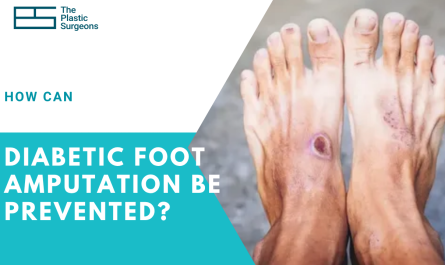
NIDDK notes that diabetic foot sores and infections can become serious and, in severe cases, contribute to gangrene or amputation.
What Are the Signs That a Diabetic Wound Is Not Healing?
A wound should be monitored closely.
Warning signs include:
- The wound is not becoming smaller over time
- The wound is becoming deeper
- New redness develops around it
- Swelling is increasing
- There is drainage or pus
- The wound develops an unpleasant smell
- The surrounding skin changes colour
- New or worsening tissue damage appears
- The foot becomes unusually warm
- Black or dead-looking tissue develops
If you notice these changes, seek medical evaluation.
Do not wait for severe pain, particularly if you have diabetic neuropathy.
How Is a Non-Healing Diabetic Wound Evaluated?
When a diabetic wound does not heal as expected, doctors may need to determine why it is not healing.
Assessment may include:
Wound examination
The doctor may evaluate:
- Location
- Size
- Depth
- Tissue condition
- Drainage
- Surrounding skin
- Signs of infection
Nerve assessment
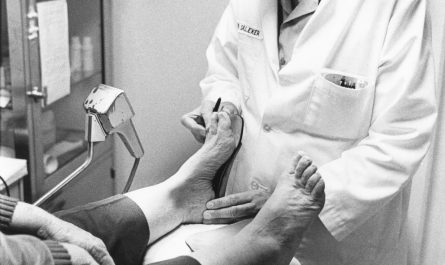
Sensation may be evaluated to determine whether neuropathy is contributing to unnoticed injuries or repeated pressure.
Circulation assessment
Blood flow may need to be evaluated, especially when there are signs suggesting peripheral artery disease.
Current IWGDF guidance recommends assessing for peripheral artery disease and other causes of poor healing in people with diabetes and foot ulcers rather than assuming that diabetes alone explains delayed healing.
Infection assessment
If infection is suspected, clinical examination and appropriate investigations can help determine its severity and guide treatment.
Assessment for deeper infection
If the wound is deep or there is concern about involvement of deeper tissues or bone, additional investigations may be required.
How Are Diabetic Wounds Treated?
Treatment depends on the cause and severity of the wound.
There is no single treatment that works for every diabetic wound.
Wound Care
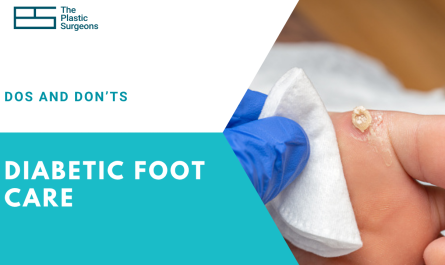
Appropriate wound care may include cleaning, dressings and removal of unhealthy tissue when clinically indicated.
The type and frequency of dressing depend on the wound and should be determined by the treating healthcare professional.
Offloading
If pressure is contributing to the wound, reducing pressure is essential.
Simply dressing an ulcer while continuing to place excessive pressure on it may not address the underlying problem.
Infection Treatment
If a wound is clinically infected, appropriate antimicrobial treatment may be required.
Antibiotics should not automatically be used for every open diabetic wound. Treatment should be based on clinical assessment.
Improving Blood Flow
If poor circulation is contributing to delayed healing, vascular evaluation may be required.
In selected patients with peripheral artery disease and a non-healing ulcer, vascular imaging and possible revascularization may be considered.
The IWGDF recommends considering vascular assessment and intervention when a diabetic foot ulcer fails to heal despite appropriate care, particularly when peripheral artery disease is present.
Diabetes Management
Managing blood glucose according to your healthcare team’s recommendations is an important part of overall wound care.
Other health factors such as blood pressure, cholesterol and smoking may also need attention.
Surgery
Some wounds require surgical treatment.
Depending on the condition, surgery may be used to:
- Remove dead or infected tissue
- Drain an abscess
- Address certain pressure-producing problems
- Treat deeper infection
- Remove affected bone when necessary
- Provide tissue coverage
The appropriate procedure depends on the individual wound.
When Is Reconstructive Surgery Considered?
Not every diabetic wound requires reconstructive surgery.
However, complex wounds can result in significant loss of skin and soft tissue.
For example, a severe wound may leave:
- Tendon exposed
- Bone exposed
- Joint structures exposed
- Large areas of soft-tissue loss
In selected patients, reconstructive surgery may be considered after the underlying infection, circulation and pressure-related issues have been appropriately addressed.
Possible reconstructive techniques include:
Skin grafting
A skin graft may be suitable for selected wounds where the wound bed can support graft healing.
Local or regional flap reconstruction
A flap uses nearby tissue to provide coverage for a wound that may not be suitable for a simple graft.
Microsurgical reconstruction
For selected large or complex wounds, microsurgical free-tissue transfer may provide specialized tissue coverage.
The choice depends on wound location, size, tissue quality, blood supply, infection status, the patient’s overall health and functional requirements.
Reconstruction is therefore usually part of a multidisciplinary limb-preservation approach, rather than an isolated procedure.
Can Diabetic Wounds Be Prevented From Becoming Chronic?
Prevention is often easier than treating a chronic wound.
Important measures include:
- Inspecting your feet every day
- Wearing properly fitting protective footwear
- Avoiding barefoot walking when you are at risk
- Managing blood glucose as advised
- Addressing calluses and pressure points safely
- Treating minor injuries promptly
- Attending regular foot examinations
- Avoiding smoking
- Seeking medical attention for wounds that are not healing
Daily inspection is particularly important when neuropathy has reduced sensation.
What Should You Do If a Diabetic Wound Is Not Healing?
If a wound remains open or continues to worsen, do not repeatedly treat it at home without professional evaluation.
A doctor may need to determine whether:
Pressure is preventing healing.
Infection is present.
Poor circulation is limiting tissue repair.
Neuropathy is causing repeated unnoticed trauma.
Foot deformity is creating abnormal pressure.
Another medical condition is interfering with healing.
Identifying the underlying reason is often as important as treating the wound itself.
When Should You Seek Urgent Medical Attention?
A diabetic foot wound requires prompt attention if you notice:
- Rapidly spreading redness
- Significant swelling
- Pus or heavy drainage
- Fever or chills
- Black or dead-looking tissue
- Rapid wound deterioration
- Severe colour changes
- A deep wound
- Exposed bone or tendon
- Severe pain or a sudden change in symptoms
A serious infection or severely compromised blood supply can threaten the foot and, in some situations, the person’s overall health.
Frequently Asked Questions
Why do diabetic wounds take so long to heal?
Diabetic wounds can heal slowly because diabetes may affect blood circulation, nerve function, immune response and tissue repair. Repeated pressure and infection can further delay healing.
Does high blood sugar make wounds heal slower?
Persistently elevated blood glucose can interfere with normal body functions involved in wound healing and can increase the risk of complications. Diabetes management is therefore an important part of wound care.
Why is poor circulation a problem for diabetic wounds?
Wounds need adequate blood flow to receive oxygen, nutrients and immune cells. Peripheral artery disease can reduce blood flow to the foot and make healing more difficult.
Can a diabetic wound heal without surgery?
Yes. Many diabetic wounds can be managed without reconstructive surgery. Treatment may involve appropriate wound care, offloading, infection management, circulation assessment and diabetes management. Surgery is considered when clinically necessary.
Can a painless diabetic wound still be serious?
Yes. Diabetic neuropathy can reduce sensation, meaning an injury may be significant even when there is little or no pain.
How long should I wait before seeing a doctor about a diabetic wound?
Do not rely on a fixed number of days if you have diabetes and an open wound. A new foot wound should be assessed appropriately, particularly if you have neuropathy, poor circulation or a previous ulcer. A wound that is not improving despite appropriate care requires further evaluation.
Can a diabetic wound lead to amputation?
Severe infection, extensive tissue damage or inadequate blood supply can sometimes result in amputation. However, early identification and appropriate multidisciplinary treatment are important components of limb preservation.
Why Early Specialist Evaluation Matters
The question “Why do diabetic wounds heal slowly?” has a multifactorial answer. High blood glucose is only one part of the picture. Nerve damage can allow repeated injury to go unnoticed, poor circulation can limit oxygen delivery, infection can damage tissue, and continued pressure can prevent an ulcer from closing.
That is why a non-healing diabetic wound should be evaluated systematically rather than treated only with repeated dressing changes.
A comprehensive approach may involve diabetes management, wound care, pressure offloading, infection treatment, vascular assessment and surgery or reconstruction when appropriate.
Diabetic Wound and Lower-Limb Reconstruction in Mumbai
When a diabetic wound causes significant soft-tissue loss or exposes important structures, reconstructive surgery may become an important part of the treatment plan in selected patients.
Dr. Vinay Jacob, MS, MCh, DNB, is a plastic and reconstructive surgeon with experience in microsurgery and lower-limb reconstruction. For complex diabetic foot wounds, reconstructive evaluation can help determine whether techniques such as skin grafting, flap reconstruction or microsurgical tissue transfer may be appropriate.
The decision to reconstruct depends on the individual patient’s wound, infection status, blood supply, tissue quality, pressure factors and overall health. Reconstruction should be coordinated with the other specialists involved in diabetic foot management.
For clinical information, visit our diabetic foot treatment page, review lower-limb reconstruction, or contact the clinic.
Takeaway
Diabetic wounds heal slowly because diabetes can interfere with several essential parts of the healing process. Neuropathy, poor circulation, high blood glucose, infection, repeated pressure, foot deformities and other health factors can all contribute to delayed healing.
The most important step is not simply asking how to make a wound close faster, but identifying why it is not healing.
If you have diabetes and develop an open foot wound, do not wait for severe pain before seeking help. Early assessment can identify problems with circulation, sensation, pressure or infection and allow treatment to be planned before the wound becomes more complex.
For wounds involving significant tissue loss, reconstructive surgery may be considered as part of a multidisciplinary limb-preservation strategy.
Sources: NIDDK: Diabetes & Foot Problems, American Diabetes Association: Foot Complications, and CDC: Preventing Diabetes-Related Amputations.
Disclaimer: This article is intended for general educational purposes and does not replace an in-person examination, diagnosis or personalized medical advice. Treatment for a diabetic wound should be determined by a qualified healthcare professional based on the wound, circulation, sensation, infection status and overall health.