Written and medically reviewed by Dr. Vinay Jacob, MS, MCh, DNB
Member, Indian Society of Reconstructive Microsurgery (ISRM)
Medical review: August 16, 2026 | Last updated: August 13, 2026 | Editorial policy
Diabetes can affect many parts of the body, including the feet. High blood sugar over time may contribute to nerve damage and poor circulation, which can make it harder to notice or heal a foot injury. A small blister, cut or crack can sometimes become a more serious wound if it is overlooked or left untreated.
The good news is that simple daily foot care can help you identify problems early and protect your feet. Checking your feet takes only a few minutes, but making it part of your daily routine can be an important step in preventing complications.
Here are 12 things you should do every day to care for your feet when you have diabetes.
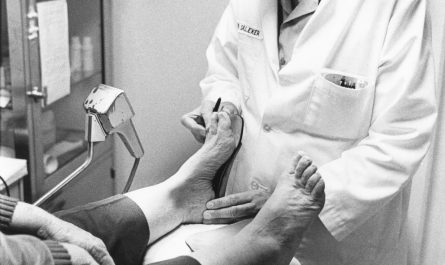
1. Check the Top and Bottom of Each Foot
Take a few minutes each day to examine both feet carefully.
Look for:
- Cuts or scratches
- Blisters
- Redness
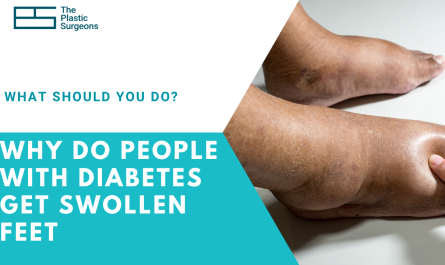
- Swelling
- Cracked skin
- Bruising
- Changes in skin colour
- Areas that look different from the previous day
Do not assume that a small injury will heal on its own. People with diabetes may not always notice an injury because reduced sensation can make some foot problems painless.
2. Look Between Your Toes
The skin between the toes can be easy to overlook.
Check these areas for:
- Cracks
- Redness
- Moisture
- Peeling skin
- Blisters
- Signs of infection
Keeping the spaces between your toes clean and dry is important. However, avoid applying moisturiser between the toes because excessive moisture can encourage skin problems.
3. Use a Mirror If You Cannot See the Soles
The soles and heels of your feet can be difficult to inspect, particularly if you have limited flexibility or mobility.
If you cannot see the bottom of your feet easily, use a handheld mirror or ask someone you trust to help you check them.
Make sure you examine the heel, ball of the foot and areas around the toes.
4. Watch for Redness, Swelling or Colour Changes
Changes in the appearance of your foot can sometimes be an early warning sign of a problem.
Pay attention to:
- New redness
- Unusual swelling
- Increased warmth
- Pale or bluish skin
- Darkened areas
- A noticeable difference between one foot and the other
If a change is new or unexplained, don’t ignore it. Contact a healthcare professional for advice, particularly if it is accompanied by pain, drainage or a wound.
5. Look for Cuts, Blisters, Cracks and Drainage
Even a minor injury deserves attention when you have diabetes.
Check carefully for:
- Small cuts
- Puncture wounds
- Blisters
- Heel cracks
- Sores
- Ulcers
- Fluid or pus
- Bleeding
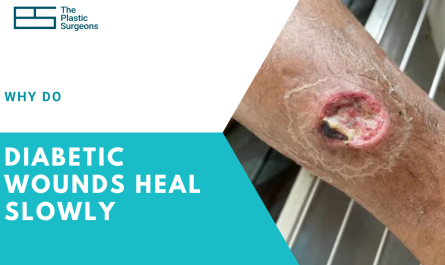
A wound that does not begin healing, becomes more painful, develops drainage or changes in appearance should be assessed promptly.
6. Wash Your Feet With Lukewarm Water
Clean your feet every day using lukewarm water and mild soap if appropriate.
Avoid very hot water because reduced sensation can make it difficult to accurately judge the temperature, increasing the risk of burns.
You can check the water temperature with your hand or another safe method before washing your feet.
Do not soak your feet for prolonged periods unless specifically advised by your healthcare professional.
7. Dry Your Feet Carefully
After washing, gently dry your feet with a clean towel.
Pay particular attention to the areas between your toes.
Avoid vigorous rubbing, especially if your skin is fragile.
Keeping the skin dry between the toes can help reduce the risk of moisture-related skin problems.
8. Moisturise Dry Skin—But Not Between the Toes
Dry, cracked skin can create openings through which bacteria may enter.
If your feet are dry, apply an appropriate moisturising cream or lotion to the tops and bottoms of your feet and heels.
However, avoid applying moisturiser between your toes.
If you have severe dryness, cracks or recurring skin problems, ask your healthcare professional which product is appropriate.
9. Wear Clean, Dry Socks
Choose clean socks every day and change them if they become damp or sweaty.
Ideally, socks should:
- Fit comfortably
- Not be excessively tight
- Not bunch up inside your shoes
- Keep your feet dry
- Avoid creating pressure points
If you have been advised to wear specific therapeutic or diabetic socks, follow your healthcare professional’s recommendations.
10. Check Your Shoes Before Putting Them On
Before wearing your shoes, inspect the inside.
Look for:
- Stones
- Small objects
- Rough seams
- Torn lining
- Sharp edges
- Uneven areas
Even a small object inside a shoe can cause repeated pressure or friction without you noticing it.
Shake out or inspect your footwear before putting your feet inside.
11. Wear Well-Fitting Footwear and Avoid Going Barefoot
Well-fitting shoes can help protect your feet from cuts, burns and pressure injuries.
Your footwear should:
- Fit comfortably
- Provide adequate room for your toes
- Avoid excessive pressure
- Be appropriate for the activity
- Not cause rubbing or blisters
Avoid walking barefoot, even indoors, if your healthcare professional has advised protective footwear because of diabetes-related nerve or circulation problems.
12. Report New Wounds or Changes Promptly
One of the most important diabetic foot care habits is knowing when to ask for help.
Contact your healthcare professional promptly if you notice:
- A new wound or ulcer
- Increasing redness
- Swelling
- Warmth
- Drainage
- Pus
- Persistent bleeding
- Skin colour changes
- A wound that is not healing
- New or worsening numbness
- Significant pain or discomfort
Do not wait for a wound to become painful before seeking advice. Nerve damage can reduce sensation, meaning a potentially serious problem may not hurt.
Why Daily Foot Checks Matter in Diabetes
Diabetes can affect nerves and blood vessels over time. Nerve damage may reduce your ability to feel heat, pressure, pain or minor injuries, while circulation problems can make it more difficult for wounds to heal.
This is why prevention and early detection are so important.
A daily inspection can help you notice a problem while it is still small, allowing you to seek appropriate care before it becomes more complicated.
Don’t Forget About Regular Foot Examinations
Daily self-checks are important, but they do not replace professional foot examinations.
Depending on your diabetes, medical history and risk factors, your healthcare team may recommend regular assessments of:
- Skin condition
- Foot structure
- Sensation
- Blood circulation
- Pressure points
- Existing wounds
Ask your diabetes or healthcare team how often you should have your feet professionally examined.
Take Care of Nails and Calluses Safely
Nail and callus care can become more difficult when diabetes affects sensation, circulation, eyesight or mobility.
Avoid attempting to cut corns or calluses yourself with:
- Blades
- Razors
- Scissors
- Chemical callus removers
If you have difficulty safely caring for your nails or calluses, ask your healthcare professional for appropriate guidance or referral.
Likewise, avoid attempting to treat a persistent foot lesion with home remedies without professional advice.
Maintain Good Diabetes Control
Foot care is only one part of protecting your long-term foot health.
Following your diabetes management plan can help reduce the risk of complications associated with persistently high blood sugar.
Your overall plan may include:
- Taking prescribed medications
- Monitoring blood glucose as advised
- Following a balanced diet
- Staying physically active when appropriate
- Maintaining a healthy weight
- Avoiding smoking
- Attending recommended medical appointments
Your healthcare team can help you develop a diabetes management plan appropriate for your individual needs.
When Is a Diabetic Foot Wound an Emergency?
Some foot problems require urgent medical attention.
Seek prompt medical assessment for a wound accompanied by:
- Rapidly increasing redness or swelling
- Significant warmth
- Pus or foul-smelling drainage
- Fever or feeling unwell
- Rapidly changing skin colour
- Severe or rapidly worsening pain
- Blackened tissue
- A rapidly worsening wound
If you have diabetes and notice a new foot wound, it is generally safer to have it assessed rather than waiting to see whether it improves.
What Happens When a Diabetic Foot Wound Does Not Heal?
Most minor foot problems can be managed more effectively when identified early. However, some diabetic foot wounds can become chronic or develop deeper infection.
Complex wounds may require coordinated care involving specialists such as:
- Diabetologists or physicians
- Wound-care specialists
- Vascular specialists
- Orthopaedic or podiatric professionals, depending on the problem
- Plastic and reconstructive surgeons
In selected cases, reconstructive surgery may be required to provide healthy tissue coverage and support limb preservation.
The Role of Reconstructive Surgery in Complex Diabetic Foot Wounds
When a diabetic foot wound becomes extensive or fails to heal with appropriate wound care, reconstruction may sometimes be considered.
Depending on the wound, reconstructive options can include:
- Skin grafting
- Local tissue flaps
- Regional flaps
- Microsurgical free tissue transfer
The appropriate approach depends on factors such as the wound’s size and location, blood supply, infection status, available tissue and the patient’s overall health.
Reconstruction is generally part of a broader multidisciplinary treatment plan rather than a substitute for diabetes management or wound care.
Why Early Treatment Matters
A diabetic foot wound can change quickly, particularly when infection, reduced sensation or poor circulation is present.
Early professional assessment can help identify:
- Infection
- Tissue damage
- Pressure-related problems
- Circulation concerns
- The need for specialist wound care
Prompt treatment may help prevent a minor problem from becoming a more serious complication.
Why Consult Dr. Vinay Jacob for Diabetic Foot Reconstruction?
Dr. Vinay Jacob is a senior plastic and reconstructive surgeon with qualifications including MS, MCh and DNB, and experience in microsurgery and lower-limb reconstruction.
These skills can be relevant when complex diabetic foot wounds require advanced tissue coverage or reconstructive procedures as part of a multidisciplinary limb-preservation approach.
Patients with difficult-to-heal wounds may require assessment by multiple specialists, and reconstructive surgery may be considered when appropriate after the wound, circulation, infection and overall medical condition have been evaluated.
Frequently Asked Questions
How often should I check my feet if I have diabetes?
Ideally, inspect your feet every day. Look at the soles, between the toes, heels and the tops of your feet for any new changes.
Can I walk barefoot if I have diabetes?
Walking barefoot can increase the risk of cuts, burns and other injuries, particularly if you have reduced sensation. Protective, well-fitting footwear is generally recommended for people at increased risk of diabetic foot problems.
Should I moisturise my feet every day?
If your skin is dry, moisturising can help prevent cracking. Apply moisturiser to dry areas but avoid putting it between your toes.
Can I cut my own calluses?
It is safer not to cut corns or calluses yourself, particularly if you have reduced sensation or circulation problems. Ask your healthcare professional about appropriate foot-care options.
What should I do if I find a small cut?
Clean the area appropriately and monitor it closely, but don’t assume that every wound will heal normally. If the wound is new, worsening, infected-looking or not healing, contact your healthcare professional promptly.
Can diabetic foot wounds be treated without surgery?
Many diabetic foot problems can be managed without reconstructive surgery when they are identified early. Treatment depends on the wound, infection, blood supply, pressure, diabetes control and other individual factors.
When might reconstructive surgery be required?
Some complex or non-healing wounds may require surgical reconstruction to provide durable tissue coverage. The decision is made after evaluating the wound and the patient’s overall medical condition, usually as part of multidisciplinary care.
Final Thoughts
Good diabetic foot care starts with simple habits. Spending a few minutes each day checking your feet, keeping the skin clean and moisturised, choosing appropriate footwear and reporting new wounds promptly can help you stay ahead of potential problems.
Daily checks should be combined with appropriate diabetes management and regular professional foot examinations. If you develop a wound that is not healing or notice signs of infection or significant changes in your foot, seek medical attention promptly.
For complex diabetic foot wounds that require tissue coverage or lower-limb reconstruction, specialist plastic and reconstructive surgical assessment may be part of a multidisciplinary treatment plan.
For more information, explore the diabetic foot treatment and lower-limb reconstruction services, or contact the clinic to discuss your concerns. You can also learn more about Dr. Vinay Jacob and his experience in plastic and reconstructive surgery.