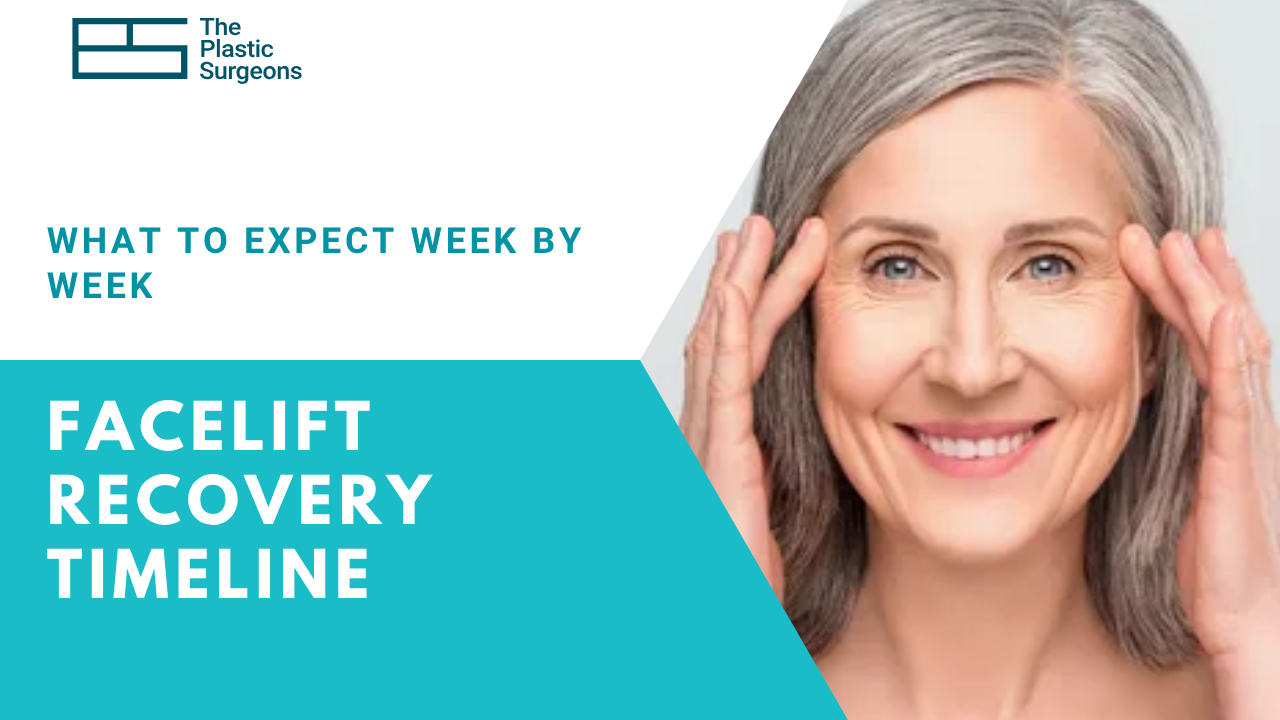
Facelift surgery is one of the most effective cosmetic procedures for restoring a youthful appearance by addressing sagging skin, jowls, deep facial folds, and loss of jawline definition. Modern facelift techniques focus on repositioning the deeper facial tissues rather than simply tightening the skin, resulting in natural-looking and long-lasting facial rejuvenation.
While the results of a facelift can be transformative, many patients are understandably concerned about the recovery process. One of the most frequently asked questions is, “How long will it take to recover after facelift surgery?”
The good news is that recovery is gradual, and most patients are pleasantly surprised by how manageable the healing process is when they follow their surgeon’s instructions carefully. Understanding what to expect at each stage can help you prepare physically and mentally for a smoother recovery.
If you’re considering Facelift Surgery in Mumbai, here’s a detailed week-by-week guide to the healing journey.
Immediately After Surgery (Day 1)
Following facelift surgery, you’ll spend some time in the recovery area while the anesthesia wears off.
It is normal to experience:
- Mild swelling
- Bruising
- A feeling of tightness
- Mild discomfort
- Temporary numbness
- Small surgical dressings around the face
Your surgeon may place drains in some cases to reduce fluid buildup, although this depends on the surgical technique used.
Most patients return home the same day or after an overnight stay, depending on the extent of the procedure.
Week 1: The Initial Healing Phase
The first week is when swelling and bruising are most noticeable.
You may experience:
- Facial puffiness
- Bruising around the cheeks and neck
- Mild tightness
- Temporary numbness
- Fatigue
Although your face may appear swollen, this is a completely normal part of healing.
During this period:
- Keep your head elevated while resting.
- Take medications as prescribed.
- Avoid bending or lifting heavy objects.
- Walk gently around the house to improve circulation.
- Attend your first follow-up appointment.
Many surgeons remove dressings and evaluate healing within the first week.
Week 2: Visible Improvement Begins
By the second week, swelling and bruising begin to decrease noticeably.
Most patients feel:
- More comfortable
- More energetic
- Less facial tightness
At this stage:
- Bruising starts fading.
- Swelling continues to reduce.
- Incisions begin healing well.
- Facial contours become more visible.
Many people feel comfortable returning to desk work or light social activities, especially if residual bruising can be concealed with makeup after receiving approval from their surgeon.
Week 3: Returning to Normal Routine
During the third week, most patients notice significant improvement.
Common changes include:
- Reduced swelling
- Better jawline definition
- Improved comfort
- Increased confidence
Many patients resume:
- Office work
- Shopping
- Social gatherings
- Light daily activities
However, strenuous exercise and heavy lifting should still be avoided unless your surgeon advises otherwise.
Week 4: Looking More Refreshed
By approximately one month after surgery, your appearance becomes noticeably more natural.
Most patients observe:
- Significant reduction in swelling
- Minimal bruising
- Improved facial symmetry
- Better skin definition
Although subtle swelling may still be present, it is generally not noticeable to others.
This is often the stage where friends and family begin commenting that you look refreshed rather than “surgical.”
Weeks 5 to 6: Increased Confidence
Healing continues steadily during this period.
Many patients:
- Return to regular social activities.
- Resume light exercise after medical clearance.
- Feel increasingly comfortable with their appearance.
The face becomes softer and more natural as residual swelling gradually disappears.
Any remaining numbness also continues to improve.
Two to Three Months: Ongoing Refinement
Although you may already be enjoying your new appearance, internal healing continues.
By this stage:
- Most swelling has resolved.
- Facial tissues have settled.
- Scars continue fading.
- The jawline appears more defined.
- Neck contours improve further.
Patients often feel fully comfortable attending important social events, weddings, or professional engagements.
Three to Six Months: Natural Results Become More Apparent
During this phase:
- Incisions continue to mature.
- Skin texture appears smoother.
- Facial contours become increasingly refined.
- Remaining firmness gradually softens.
The rejuvenation looks completely natural because the deeper tissues have fully adapted to their new position.
Six to Twelve Months: Final Results
By one year after surgery, healing is generally complete.
Patients enjoy:
- Well-defined facial contours
- Natural facial movement
- Soft, barely noticeable scars
- Long-lasting facial rejuvenation
The face continues to age naturally, but from a more youthful starting point.
Common Symptoms During Recovery
Throughout recovery, patients may experience:
- Swelling
- Bruising
- Mild tightness
- Temporary numbness
- Slight asymmetry during healing
- Itching around incision sites
These symptoms gradually improve and are considered normal.
Tips for a Smooth Recovery
Following your surgeon’s instructions carefully can support optimal healing.
Sleep with Your Head Elevated
Keeping your head elevated reduces swelling during the first few weeks.
Stay Hydrated
Adequate hydration supports tissue repair and circulation.
Eat a Healthy Diet
Focus on foods rich in:
- Lean protein
- Fruits
- Vegetables
- Vitamins
- Healthy fats
Good nutrition helps promote healing.
Avoid Smoking
Smoking significantly delays healing and increases the risk of complications.
Limit Alcohol
Alcohol may increase swelling during the early recovery period.
Protect Your Skin
Avoid excessive sun exposure while scars are healing.
Your surgeon may recommend sunscreen once the incisions have healed adequately.
Avoid Heavy Exercise Initially
High-intensity workouts should be resumed only after medical clearance.
Walking is generally encouraged early to promote circulation.
When Can You Return to Work?
Recovery varies depending on your occupation.
Many patients return to office-based work within two to three weeks.
Those with physically demanding jobs may require additional recovery time.
Your surgeon will provide guidance based on your specific procedure and progress.
When Can You Exercise Again?
Light walking is encouraged soon after surgery.
However:
- Running
- Weight training
- High-intensity workouts
- Heavy lifting
should be postponed until your surgeon confirms that healing has progressed sufficiently.
Gradual return to activity helps protect the surgical results.
How Long Do Facelift Results Last?
Modern facelift techniques provide long-lasting rejuvenation.
Although aging continues naturally, many patients enjoy visible improvements for 10 to 15 years, depending on:
- Skin quality
- Genetics
- Lifestyle
- Sun protection
- Overall health
Maintaining a healthy lifestyle helps preserve your results.
Why Choosing an Experienced Plastic Surgeon Matters
Successful recovery begins with proper surgical planning.
An experienced plastic surgeon will:
- Use advanced facelift techniques.
- Minimize tissue trauma.
- Provide comprehensive post-operative care.
- Monitor healing closely.
- Help achieve natural-looking facial rejuvenation.
Patients considering Facelift Surgery in Mumbai should choose a qualified plastic surgeon with extensive experience in facial cosmetic procedures to maximize both safety and aesthetic outcomes.
Final Thoughts
Recovery after facelift surgery is a gradual process that requires patience, but the results are well worth the journey. While swelling and bruising are most noticeable during the first two weeks, significant improvement occurs over the following months, with final results becoming increasingly refined as healing progresses.
By understanding the week-by-week recovery timeline and following your surgeon’s recommendations, you can enjoy a smoother healing experience and long-lasting, natural-looking rejuvenation.
If you’re considering Facelift Surgery in Mumbai, schedule a consultation with an experienced plastic surgeon to discuss your goals, understand the recovery process, and receive a personalized treatment plan. With expert care and proper post-operative guidance, you can achieve a refreshed appearance that enhances your confidence while preserving your natural facial expressions.