Written and medically reviewed by Dr. Vinay Jacob, MS, MCh, DNB
Member, Rhinoplasty Society of India (RSI)
Medical review: August 7, 2026 | Last updated: August 13, 2026 | Editorial policy
Rhinoplasty is one of the most transformative cosmetic procedures, helping improve both the appearance and function of the nose. Whether you’re correcting a nasal hump, refining the tip, improving facial symmetry, or addressing breathing problems, rhinoplasty can deliver long-lasting and natural-looking results.
However, one of the most common concerns patients have after surgery is, “How long will the swelling last?” Since the nose is made up of delicate skin, cartilage, and bone, swelling is a normal part of the healing process. While you’ll notice visible improvements within the first few weeks, the final shape of your nose develops gradually as the swelling subsides over time.
If you’re planning Rhinoplasty Surgery in Mumbai, understanding the recovery timeline can help you set realistic expectations and feel more confident throughout your healing journey.
Why Does Swelling Occur After Rhinoplasty?
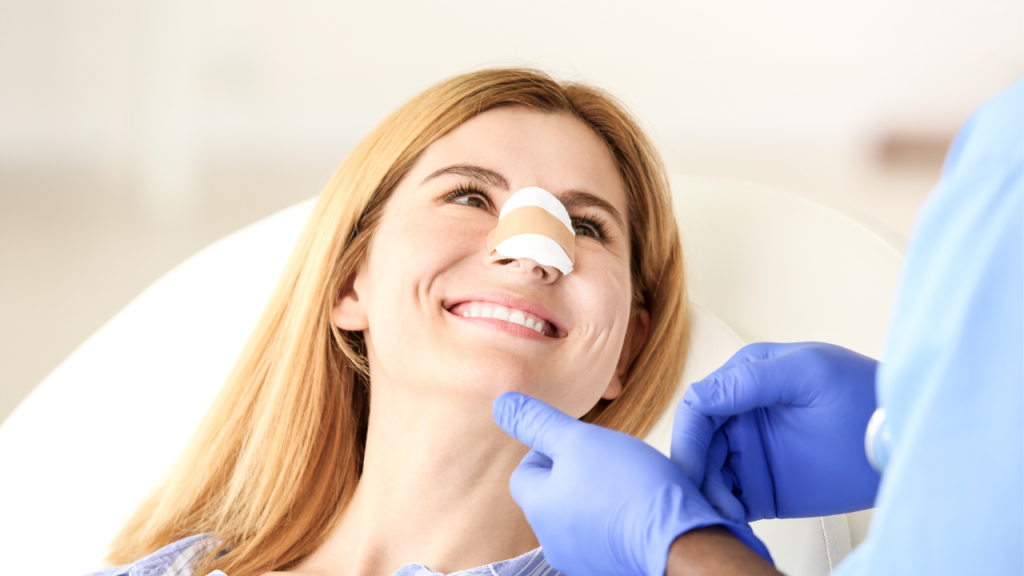
Swelling is the body’s natural response to surgery. During rhinoplasty, the surgeon carefully reshapes the bone, cartilage, and soft tissues of the nose. As part of the healing process, fluid accumulates around the surgical area, leading to temporary swelling.
The amount of swelling varies depending on:
- The complexity of the surgery
- Open or closed rhinoplasty technique
- Skin thickness
- Individual healing response
- Whether bone reshaping was performed
- Revision or primary rhinoplasty
Every patient heals differently, so recovery times can vary.
The Rhinoplasty Swelling Timeline
Although each patient is unique, most follow a similar recovery pattern.
First Week: Maximum Swelling
The first week is when swelling is most noticeable.
You may experience:
- Swelling around the nose
- Bruising beneath the eyes
- Mild facial puffiness
- Nasal congestion
- Temporary discomfort
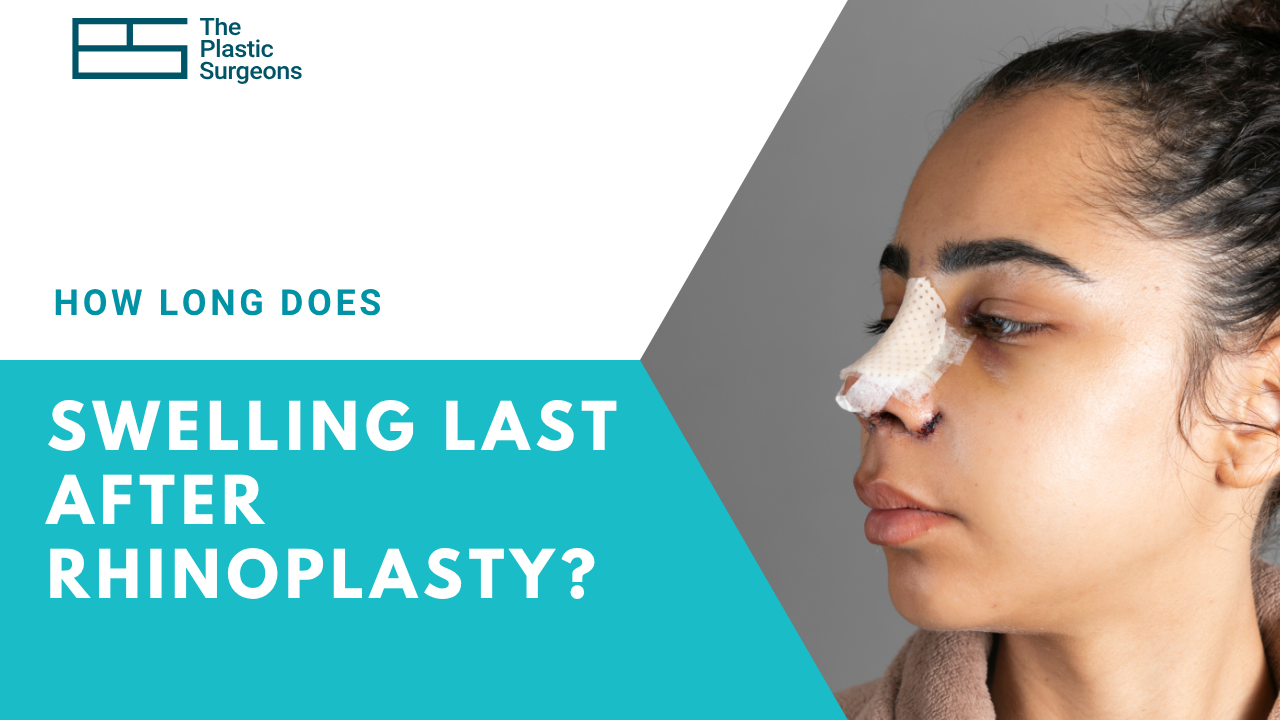
A nasal splint is typically worn during this period to support the newly shaped nose.
Most patients return to the clinic after about a week for splint removal.
At this stage, the nose will appear larger than expected because of post-operative swelling.
Weeks 2 to 4: Visible Improvement
Once the splint is removed, many patients are excited to see their new nose.
However, it’s important to remember that swelling is still present.
During this phase:
- Bruising usually fades significantly.
- Facial swelling continues to decrease.
- Most people feel comfortable returning to work or social activities.
- The bridge of the nose begins looking more refined.
Although improvements are noticeable, the nose has not yet reached its final appearance.
One to Three Months: Significant Reduction in Swelling
By the third month, a large percentage of swelling has resolved.
Patients typically notice:
- Better definition
- Improved nasal contours
- More refined bridge
- Gradual improvement in the nasal tip
Many people feel their nose already looks close to the final result.
However, subtle swelling—especially at the tip—often remains.
Three to Six Months: Continued Refinement
Healing continues during this period.
The nose becomes:
- More defined
- Better balanced
- More natural in appearance
Patients with thinner skin often notice refinement sooner than those with thicker skin.
Tip swelling gradually decreases, allowing the final contours to become more visible.
Six to Twelve Months: Final Results Develop
For many patients, the majority of healing is complete by six months.
However, the nose continues to refine over the following months.
The nasal tip, in particular, is often the last area to fully settle because it has thicker soft tissue and more delicate healing patterns.
By approximately one year after surgery, most patients appreciate their final rhinoplasty results.
Why Does the Nasal Tip Stay Swollen Longer?
Many patients notice that while the bridge looks slim relatively quickly, the tip remains round or puffy.
This is completely normal.
The nasal tip contains:
- More soft tissue
- Delicate cartilage
- Slower lymphatic drainage
As a result, tip swelling often takes the longest to resolve.
Patience is essential during this stage of recovery.
Factors That Affect Swelling Duration
Several factors influence how long swelling lasts.
Surgical Technique
Open rhinoplasty generally involves slightly more tissue elevation, which may result in longer-lasting tip swelling.
Closed rhinoplasty may have a somewhat quicker initial recovery in selected cases.
Skin Thickness
Patients with thicker skin often experience:
- More prolonged swelling
- Slower tip refinement
Patients with thinner skin may notice earlier definition.
Extent of Surgery
More complex procedures involving:
- Tip reconstruction
- Bone reshaping
- Cartilage grafting
- Revision rhinoplasty
may require additional healing time.
Individual Healing Response
Every person’s body heals at a different pace.
Age, general health, lifestyle, and genetics all influence recovery.
How to Reduce Swelling After Rhinoplasty
While swelling cannot be eliminated completely, several steps can help support healing.
Keep Your Head Elevated
Sleeping with your head elevated during the first few weeks helps reduce fluid accumulation.
Apply Cold Compresses
Cold compresses around—not directly on—the nose during the first 48 hours may help reduce swelling and bruising.
Always follow your surgeon’s instructions.
Avoid Strenuous Exercise
Heavy physical activity can increase blood flow and worsen swelling.
Your surgeon will advise when it is safe to resume exercise.
Stay Hydrated
Proper hydration supports circulation and tissue healing.
Follow a Healthy Diet
Choose foods rich in:
- Protein
- Fruits
- Vegetables
- Vitamins
Limiting excess salt may help reduce fluid retention.
Avoid Smoking and Alcohol
Smoking delays healing, while excessive alcohol may increase swelling.
Avoiding both during recovery supports better outcomes.
Follow Your Surgeon’s Instructions
Taking prescribed medications, attending follow-up appointments, and following recovery guidelines are the best ways to support healing.
Is Uneven Swelling Normal?
Yes.
It is common for one side of the nose to appear more swollen than the other during recovery.
Healing is rarely perfectly symmetrical in the early weeks.
Most uneven swelling improves naturally over time.
When Should You Be Concerned?
Although swelling is expected, you should contact your surgeon if you experience:
- Sudden severe swelling
- Increasing pain
- High fever
- Excessive bleeding
- Persistent redness
- Foul-smelling discharge
Prompt evaluation helps identify and treat any potential complications early.
Will Swelling Affect My Final Results?
Temporarily, yes.
Immediately after surgery, swelling can make the nose appear:
- Wider
- Larger
- Less defined
This does not reflect the final surgical outcome.
As swelling gradually resolves, the nose becomes slimmer, more refined, and better balanced with your facial features.
Patience is one of the most important parts of the rhinoplasty journey.
Tips for a Smooth Recovery
To promote optimal healing:
- Get adequate rest.
- Avoid sleeping on your stomach.
- Protect your nose from accidental impact.
- Wear clothing that doesn’t need to be pulled over your head.
- Attend all scheduled follow-up visits.
- Avoid wearing heavy glasses until cleared by your surgeon.
- Follow activity restrictions carefully.
Small daily habits can make a significant difference during recovery.
Why Choosing an Experienced Plastic Surgeon Matters
The quality of your rhinoplasty results depends not only on the surgery itself but also on proper planning and post-operative care.
An experienced plastic surgeon will:
- Use advanced surgical techniques.
- Minimize unnecessary tissue trauma.
- Provide detailed recovery instructions.
- Monitor healing closely.
- Help ensure natural-looking, long-lasting results.
If you’re considering Rhinoplasty Surgery in Mumbai, choosing a qualified surgeon with extensive experience in both cosmetic and functional rhinoplasty can contribute to a smoother recovery and excellent outcomes.
Final Thoughts
Swelling after rhinoplasty is a completely normal part of the healing process and requires patience. While the most noticeable swelling improves within the first few weeks, subtle refinement continues for several months, with final results often becoming visible around one year after surgery.
Understanding the recovery timeline helps set realistic expectations and reduces unnecessary worry during the healing process. By following your surgeon’s instructions, maintaining a healthy lifestyle, and attending regular follow-up appointments, you can support optimal healing and enjoy the best possible results.
If you’re considering Rhinoplasty Surgery in Mumbai, consult an experienced plastic surgeon to discuss your goals, understand the recovery process, and receive a personalized treatment plan. With expert care and proper post-operative guidance, you can achieve a beautifully balanced nose that enhances both your appearance and confidence.
Why consider Dr. Vinay Jacob for this treatment?
Dr. Vinay Jacob is a senior plastic and reconstructive surgeon with MS, MCh and DNB qualifications and international training. His advanced aesthetic and maxillofacial training supports detailed facial assessment and procedure planning. He is also a member of the Rhinoplasty Society of India.
Learn more about facial plastic surgery services at The Plastic Surgeons. Read related guidance: Facelift Recovery Timeline: What to Expect Week by Week and Open vs Closed Rhinoplasty: Which Technique Is Better?.
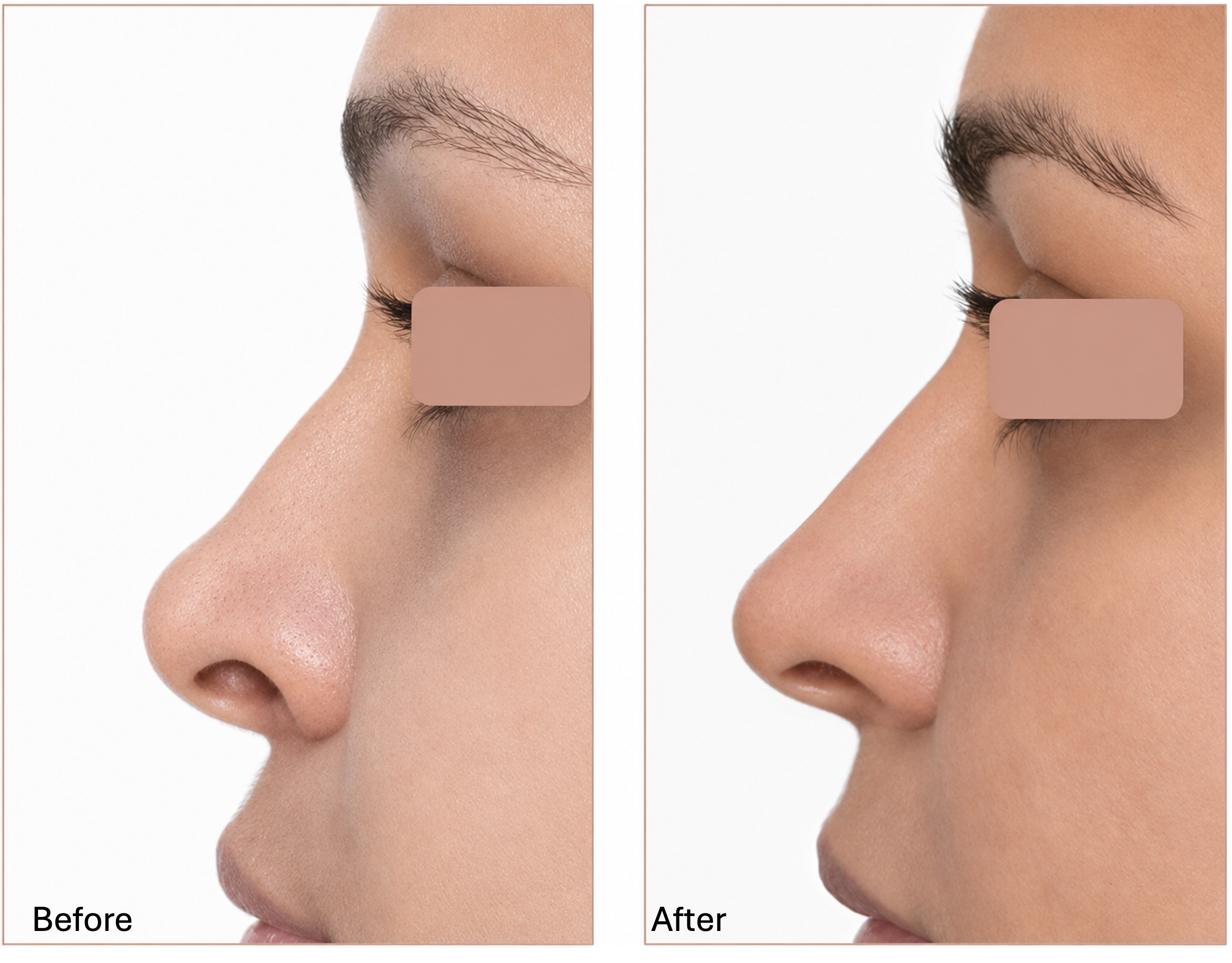
Clinical before-and-after example