Written and medically reviewed by Dr. Vinay Jacob, MS, MCh, DNB
Member, Indian Society of Reconstructive Microsurgery (ISRM)
Medical review: August 18, 2026 | Last updated: August 13, 2026 | Editorial policy
Read the previous guide: diabetic foot care series.
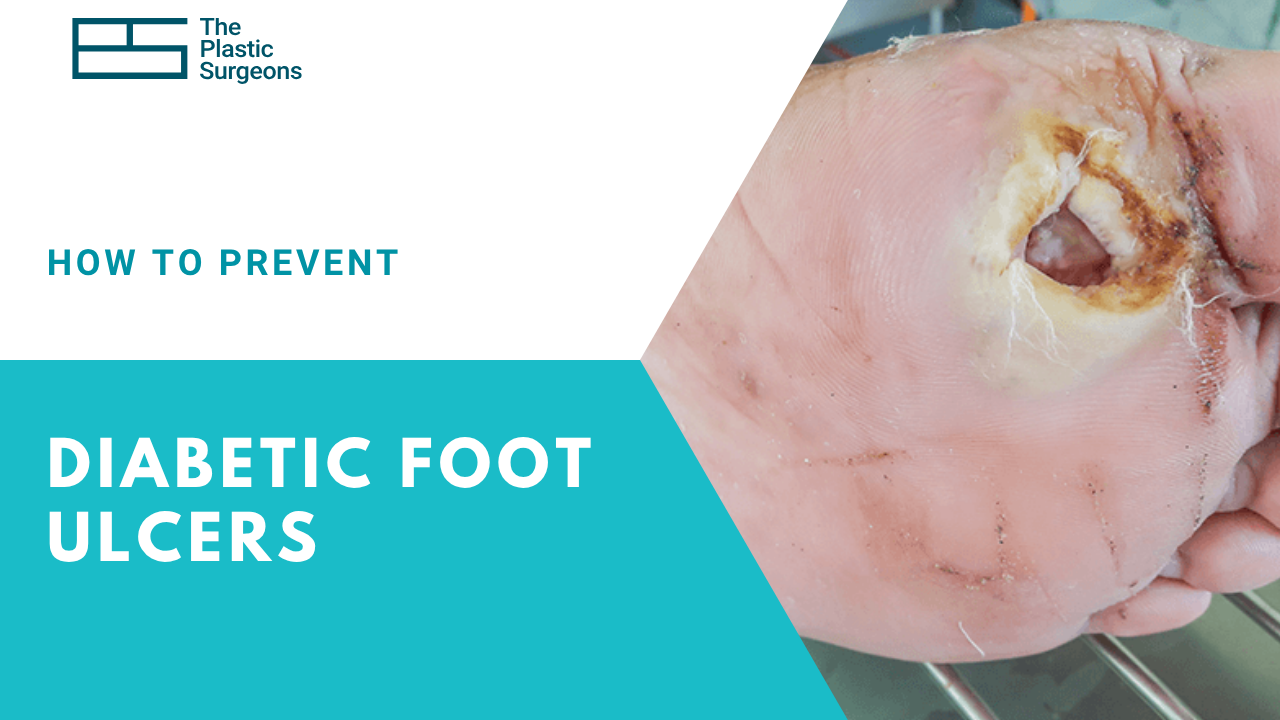
Many diabetic foot ulcers begin with pressure or a small injury that is not noticed. Prevention focuses on reducing pressure, protecting the skin and acting early.
Practical prevention steps
- Inspect your feet daily, including soles and toe spaces.
- Wear shoes that fit without rubbing and check inside before use.
- Never walk barefoot.
- Wash, dry and moisturise safely.
- Manage blood glucose, blood pressure and cholesterol with your clinical team.
- Avoid smoking.
- Attend regular foot screening for sensation, circulation and deformity.
- Ask about therapeutic footwear or inserts if you have neuropathy, deformity or a previous ulcer.
Act before a sore becomes an ulcer
Do not treat corns, calluses, blisters or ingrown nails with blades or chemicals. A clinician can relieve pressure and treat the cause safely. If you see redness, drainage, swelling or broken skin, reduce pressure on the area and arrange an assessment promptly.
For clinical information, visit our diabetic foot treatment page, review lower-limb reconstruction, or contact the clinic.
Why consult Dr. Vinay Jacob for diabetic foot reconstruction?
Dr. Vinay Jacob is a senior plastic and reconstructive surgeon (MS, MCh, DNB) with experience in microsurgery and lower-limb reconstruction—skills relevant when diabetic foot wounds need complex tissue coverage or limb-preservation reconstruction as part of multidisciplinary care.
This article provides general education and does not replace an examination or personalised medical advice.
Sources: NIDDK: Diabetes & Foot Problems, American Diabetes Association: Foot Complications, and CDC: Preventing Diabetes-Related Amputations.