Written and medically reviewed by Dr. Vinay Jacob, MS, MCh, DNB
Member, Indian Society of Reconstructive Microsurgery (ISRM)
Medical review: August 20, 2026 | Last updated: August 13, 2026 | Editorial policy
Read the previous guide: diabetic foot care series.
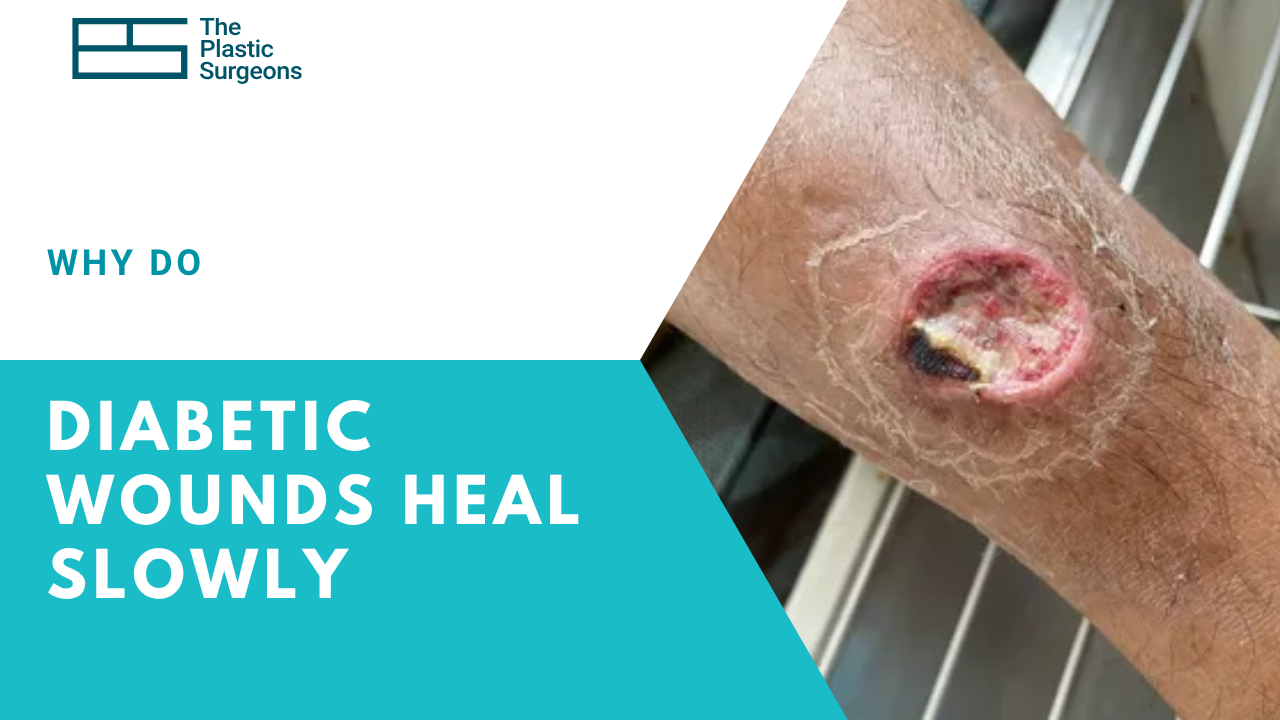
Wound healing requires blood flow, oxygen, immune defence and protection from repeated injury. Diabetes can disrupt several of these processes at the same time.
Common reasons for slow healing
- Poor circulation: narrowed arteries reduce oxygen and nutrients reaching the wound.
- Neuropathy: reduced sensation makes repeated pressure or new injury harder to notice.
- High glucose: this can impair immune function and make infection more likely.
- Infection: bacteria and inflammation can damage tissue and delay closure.
- Continued pressure: walking on an ulcer may enlarge it.
- Other health factors: kidney disease, smoking, nutrition and swelling may also affect healing.
What supports healing?
A clinician may assess circulation, infection, wound depth and pressure. Care can include wound cleaning, dressings, off-loading, glucose management, antibiotics when infection is present and procedures to improve blood flow or reconstruct tissue when appropriate.
For clinical information, visit our diabetic foot treatment page, review lower-limb reconstruction, or contact the clinic.
Why consult Dr. Vinay Jacob for diabetic foot reconstruction?
Dr. Vinay Jacob is a senior plastic and reconstructive surgeon (MS, MCh, DNB) with experience in microsurgery and lower-limb reconstruction—skills relevant when diabetic foot wounds need complex tissue coverage or limb-preservation reconstruction as part of multidisciplinary care.
This article provides general education and does not replace an examination or personalised medical advice.
Sources: NIDDK: Diabetes & Foot Problems, American Diabetes Association: Foot Complications, and CDC: Preventing Diabetes-Related Amputations.