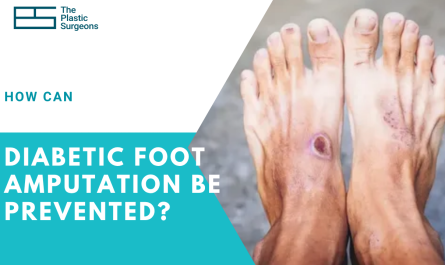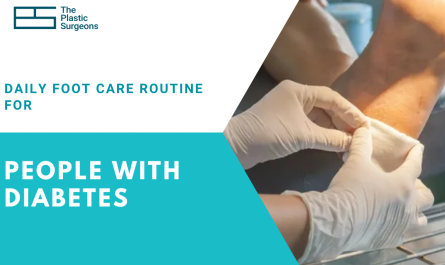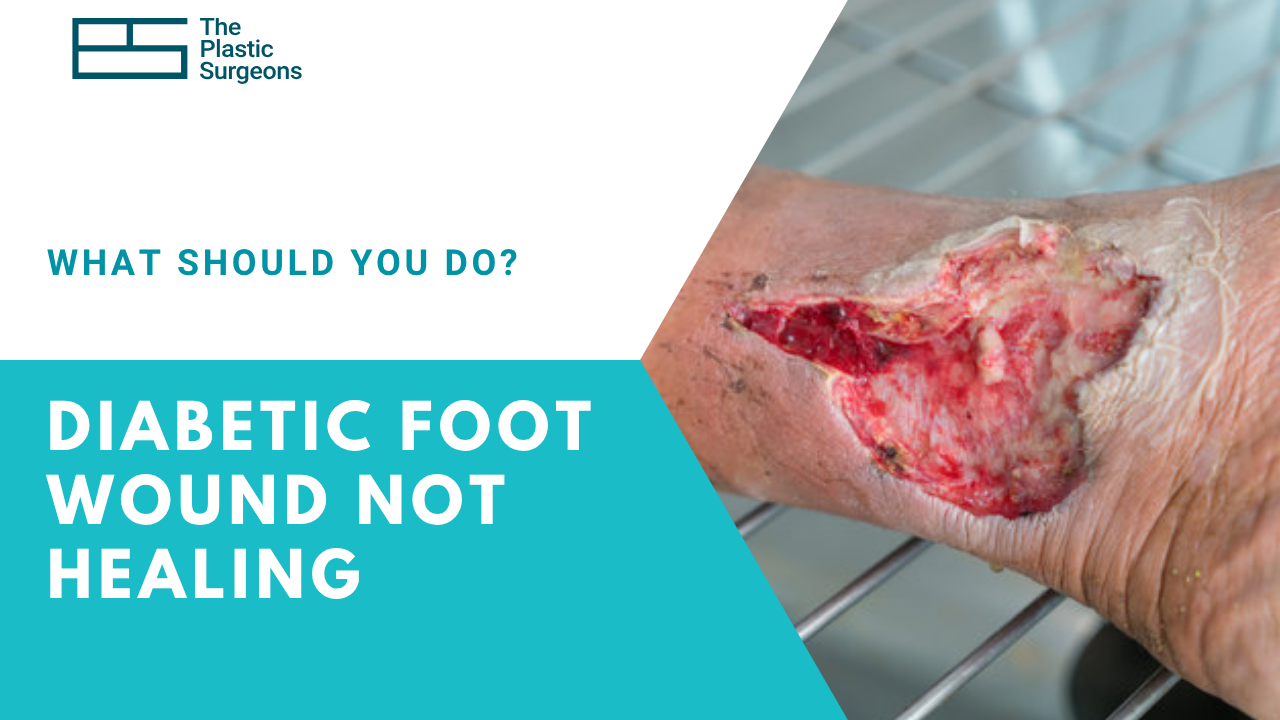
A diabetic foot wound that stays open, keeps getting larger, or shows little improvement should not be ignored. Diabetes can affect nerve sensation and blood circulation, making it possible for a wound to worsen without causing significant pain. Infection, repeated pressure, poor blood flow and other factors can also interfere with healing.
If you have a diabetic foot wound that is not healing, the most important step is to find out why it is not healing rather than continuing to manage it at home indefinitely. Early professional assessment can help identify problems with circulation, infection, pressure, sensation or deeper tissue involvement and guide appropriate treatment.
How Long Does a Diabetic Foot Wound Take to Heal?
There is no single healing time that applies to every diabetic foot wound.
Healing depends on factors such as:
- Size and depth of the wound
- Blood circulation
- Nerve sensation
- Presence of infection
- Blood glucose management
- Pressure on the wound
- Foot deformities
- Overall nutritional and medical health
- Previous history of foot ulcers
A wound that is not showing appropriate improvement should be reassessed rather than judged only by how many days it has been present.
NIDDK advises people with diabetes to contact their healthcare provider when a cut, blister or bruise on the foot does not begin to heal after a few days.
Why Is My Diabetic Foot Wound Not Healing?
Several factors may be responsible. Often, more than one is involved.
1. Poor Blood Circulation
Adequate blood flow is essential for wound healing because blood delivers oxygen, nutrients and immune cells to injured tissue.
Diabetes can be associated with peripheral artery disease (PAD), which can reduce blood flow to the legs and feet.
When circulation is poor, a wound may struggle to heal and infections can become more difficult to control.
If a diabetic foot wound is not improving despite appropriate care, your doctor may need to assess whether reduced circulation is contributing.
2. Nerve Damage Can Hide Further Injury
Diabetic peripheral neuropathy can reduce sensation in the feet.
This means you may not notice:
- A blister
- A cut
- A pressure point
- A burn
- A foreign object inside your shoe
- Repeated friction
You may therefore continue walking on the affected foot without realizing that the wound is being repeatedly traumatized.
NIDDK notes that loss of sensation can allow foot injuries to go unnoticed and can increase the risk of sores and infection.
3. Continued Pressure on the Wound
One of the most common reasons a foot wound may fail to improve is continued mechanical pressure.
For example, an ulcer on the sole is exposed to pressure every time you walk.
If the cause of the wound is not addressed, repeatedly walking on it can interfere with healing even when the wound is being dressed appropriately.
This is why offloading—reducing pressure on the affected area—is an important part of diabetic foot wound management.
The IWGDF includes offloading among the key components of care for appropriate diabetes-related foot ulcers.
4. Infection
A diabetic foot wound can become infected when microorganisms enter through broken skin.
Possible signs include:
- Increasing redness
- Swelling
- Warmth
- Pus or other drainage
- Unpleasant odour
- Increasing tenderness
- Worsening tissue damage
- Fever or chills
However, infection does not always cause severe pain, particularly when neuropathy has reduced sensation.
A suspected infection should be assessed clinically rather than assuming that every open wound requires antibiotics.
5. High Blood Glucose and Overall Diabetes Control
Diabetes affects wound healing through several pathways. Persistently elevated blood glucose can interfere with normal immune and tissue-repair processes.
This does not mean that high blood glucose is the only reason a wound fails to heal. Circulation, infection, pressure and neuropathy must also be considered.
Continue following the diabetes-management plan prescribed by your healthcare team.
Do not independently change insulin or other diabetes medications because of a wound without discussing it with your doctor.
6. Foot Deformity
Changes in the structure of the foot can create abnormal pressure points.
A prominent area of bone or a change in toe or foot position can repeatedly rub against footwear or experience excessive pressure during walking.
Unless the underlying mechanical problem is addressed, the wound may recur even after it initially closes.
7. Deeper Tissue Involvement
A wound that appears small on the surface may sometimes extend deeper into the underlying tissue.
In more advanced cases, infection may involve:
- Tendons
- Muscles
- Joints
- Bone
A deeper infection can make healing considerably more difficult and may require imaging, surgical treatment or other specialist management.
8. Other Health Conditions
Healing can also be influenced by other medical problems, including:
- Peripheral artery disease
- Kidney disease
- Cardiovascular disease
- Nutritional deficiencies
- Significant swelling
- Smoking
- Other chronic conditions
A non-healing wound therefore deserves a comprehensive assessment rather than repeated dressing changes alone.
What Should You Do If Your Diabetic Foot Wound Is Not Healing?
If you notice that the wound is not improving, take the following steps.
Step 1: Arrange a Medical Assessment
Do not continue waiting indefinitely.
Contact your diabetes, wound-care or foot-care team and explain:
- When the wound started
- How it happened
- Whether it is getting smaller or larger
- Whether there is drainage
- Whether the colour has changed
- Whether there is swelling or redness
- Whether you have experienced fever or chills
A healthcare professional can determine whether further investigation is required.
Step 2: Reduce Pressure on the Wound
Avoid repeatedly walking on the affected area.
Depending on the wound location and severity, your doctor may recommend an appropriate offloading method.
Do not independently choose an aggressive offloading device because the safest option depends on the wound and your overall foot condition.
Step 3: Follow the Recommended Wound-Care Plan
Keep the wound protected and follow the dressing instructions provided by your healthcare professional.
Do not repeatedly change treatments based on internet advice or recommendations from non-medical sources.
Different wounds require different approaches.
Step 4: Do Not Cut the Wound Yourself
Avoid cutting away tissue, removing dead skin or attempting to “clean out” the wound yourself.
Sharp instruments can cause additional injury and may make the problem worse.
Debridement, when indicated, should be performed by an appropriately trained healthcare professional.
Step 5: Avoid Unprescribed Home Remedies
Do not apply household chemicals, irritants or unapproved substances to an open diabetic wound.
Some substances can damage healthy tissue or interfere with appropriate wound assessment.
If you are unsure whether a product is appropriate, ask your healthcare professional before using it.
Step 6: Continue Diabetes Management
Follow your prescribed diabetes treatment and monitoring plan.
Good overall diabetes management is an important part of reducing complications, although a non-healing wound still requires assessment for other causes.
How Will a Doctor Evaluate a Non-Healing Diabetic Foot Wound?
A comprehensive evaluation may look at several different factors.
Wound Assessment
The doctor may examine:
- Wound size
- Depth
- Location
- Tissue quality
- Surrounding skin
- Drainage
- Signs of infection
The wound may also be monitored over time to determine whether it is progressing toward healing.
Nerve Assessment
Your sensation may be tested to determine whether neuropathy is contributing to unnoticed injury or repeated pressure.
Circulation Assessment
Blood flow may be evaluated when peripheral artery disease is suspected.
This can be particularly important when a wound is not responding to appropriate treatment.
The IWGDF’s current guidance emphasizes assessment for peripheral artery disease in people with diabetes-related foot ulcers and consideration of vascular intervention when appropriate.
Infection Assessment
If infection is suspected, the clinician will assess the severity and determine whether further testing or antimicrobial treatment is needed.
Imaging
Imaging may be considered when there is concern about:
- Deep infection
- Foreign material
- Bone involvement
- Abscess
- Structural abnormalities
The exact test depends on the clinical situation.
What Treatments May Help a Non-Healing Diabetic Foot Wound?
Treatment is individualized. The aim is to address the underlying reason for delayed healing while protecting the wound.
1. Wound Care and Debridement
Appropriate wound care may include cleaning, dressings and removal of unhealthy tissue when indicated.
The IWGDF identifies debridement and wound-bed preparation as important components of standard diabetic foot ulcer management.
2. Offloading
If pressure is contributing to the wound, reducing that pressure is essential.
Offloading may involve:
- Specialized footwear
- Therapeutic devices
- Custom inserts
- Other pressure-relieving approaches
The appropriate option depends on the ulcer’s location, severity, infection status and the patient’s mobility.
3. Treatment of Infection
If a diabetic foot wound is clinically infected, appropriate antimicrobial treatment may be required.
However, antibiotics are not automatically appropriate for every open ulcer.
The decision depends on whether an infection is actually present and how severe it is.
4. Improving Blood Flow
If circulation is inadequate, vascular evaluation may be necessary.
In selected patients, treatment to improve blood flow may be considered to support healing and reduce the risk of further tissue loss.
5. Managing Underlying Medical Problems
Your healthcare team may also address:
- Diabetes control
- Blood pressure
- Cholesterol
- Smoking
- Nutritional status
- Kidney or cardiovascular conditions
Managing these factors can support the overall treatment plan.
6. Surgery When Necessary
Some wounds require surgery.
Depending on the problem, surgery may be used to:
- Remove infected or dead tissue
- Drain an abscess
- Address a pressure-producing deformity
- Treat deeper infection
- Remove infected bone when necessary
- Provide soft-tissue coverage
Surgery is not required for every diabetic foot wound.
When Is Reconstructive Surgery Needed?
Reconstructive surgery may become relevant when a diabetic foot wound causes significant loss of skin and soft tissue or leaves important structures exposed.
Examples may include wounds with exposed:
- Tendon
- Bone
- Joint
- Neurovascular structures
In selected patients, reconstructive options may include:
Skin grafting
A skin graft may be suitable for some wounds with an appropriate wound bed and adequate blood supply.
Local or regional flap reconstruction
A flap uses nearby tissue to cover a wound that may require more substantial tissue coverage than a graft can provide.
Microsurgical reconstruction
Large or complex wounds may occasionally require free-tissue transfer using microsurgical techniques.
The choice depends on:
- Wound size and location
- Infection status
- Blood supply
- Tissue quality
- Bone or tendon exposure
- Foot function
- Overall health
The goal is not simply to close the wound. The underlying causes of the ulcer must also be addressed.
For this reason, reconstructive surgery is generally considered as part of a multidisciplinary limb-preservation strategy, not as a standalone treatment.
Can a Non-Healing Diabetic Foot Wound Lead to Amputation?
A non-healing wound does not automatically mean that amputation will be necessary.
However, severe infection, extensive tissue destruction or severely compromised blood supply can threaten the viability of the foot.
NIDDK notes that foot ulcers that do not improve and severe infections can, in some cases, progress to gangrene and require amputation.
The goal of early specialist care is to identify and address these problems before they become more advanced.
Warning Signs That Need Urgent Medical Attention
Seek urgent medical help if your diabetic foot wound is associated with:
- Fever or chills
- Rapidly spreading redness
- Increasing swelling
- Significant warmth
- Pus or heavy drainage
- Bad odour
- Black or dead-looking tissue
- Rapid wound deterioration
- Severe or sudden change in pain
- Visible tendon or bone
- Significant change in foot colour or temperature
Do not wait for severe pain if you have diabetic neuropathy.
A lack of pain does not necessarily mean that the wound is minor.
What Should You Avoid When a Diabetic Wound Is Not Healing?
Some well-intentioned actions can make a wound worse.
Avoid walking repeatedly on the wound
Continued pressure can interfere with healing.
Avoid cutting dead skin yourself
This can create additional injury.
Avoid unprescribed chemicals
Some substances can damage healthy tissue.
Avoid self-starting antibiotics
Antibiotics are not appropriate for every diabetic wound. Infection should be assessed by a healthcare professional.
Avoid ignoring colour changes
Black, blue, pale or otherwise unusual tissue colour can indicate a serious problem.
Avoid waiting for pain
Neuropathy may mask symptoms.
How Can You Support Healing and Prevent Recurrence?
Once a wound begins to improve, prevention remains important.
Continue to:
- Inspect your feet every day
- Wear appropriate footwear
- Reduce pressure on vulnerable areas
- Follow your wound-care plan
- Manage diabetes as advised
- Attend follow-up appointments
- Address recurrent calluses
- Avoid walking barefoot if you are at risk
- Report new wounds early
A healed ulcer does not necessarily mean the underlying risk factors have disappeared.
People who have previously experienced a diabetic foot ulcer remain at increased risk of recurrence and may require ongoing preventive care.
Frequently Asked Questions
Why is my diabetic foot wound not healing?
A diabetic foot wound may fail to heal because of poor circulation, nerve damage, infection, repeated pressure, foot deformity, high blood glucose or other medical conditions. Often, more than one factor is involved.
How long should I wait before seeing a doctor?
Do not wait for a wound to become severely painful. NIDDK recommends contacting a healthcare provider when a cut, blister or bruise does not begin to heal after a few days.
Can a diabetic foot wound heal without surgery?
Yes. Many wounds can be treated with appropriate wound care, pressure offloading, infection management, circulation assessment and diabetes management. Surgery is considered when clinically necessary.
Does a painless wound need treatment?
Yes. Neuropathy can reduce sensation, so a diabetic foot wound may be serious even if it causes little or no pain.
Can poor circulation prevent a diabetic wound from healing?
Yes. Reduced blood flow can limit the delivery of oxygen and nutrients to the wound and may also make it more difficult for the body to fight infection.
Can reconstructive surgery save a diabetic foot?
Reconstructive surgery can provide soft-tissue coverage in selected complex wounds, but it is only one component of treatment. Infection, circulation, pressure, diabetes management and other factors must also be addressed.
When does a diabetic foot wound become an emergency?
Rapidly spreading redness, significant swelling, pus, fever, black tissue, severe infection, exposed deeper structures or rapid deterioration require urgent medical assessment.
For clinical information, visit our diabetic foot treatment page, review lower-limb reconstruction, or contact the clinic.
Diabetic Foot Wound Treatment and Reconstruction in Mumbai
A diabetic foot wound that is not healing may require more than routine dressing changes. Identifying the underlying cause—whether infection, pressure, neuropathy, poor circulation or tissue loss—is an important part of treatment.
Dr. Vinay Jacob, MS, MCh, DNB, is a plastic and reconstructive surgeon with experience in microsurgery and lower-limb reconstruction. For selected complex diabetic foot wounds with significant soft-tissue loss, reconstructive surgery may be considered as part of a multidisciplinary limb-preservation approach.
Treatment is individualized. A clinical examination is necessary to determine whether wound care, offloading, infection treatment, vascular assessment, surgery or reconstruction is appropriate.
Takeaway
If your diabetic foot wound is not healing, do not simply wait and hope that it will improve. A persistent wound can indicate an underlying problem with circulation, sensation, pressure, infection or tissue health.
The right next step is a professional assessment that identifies why the wound is not healing and addresses that cause.
Early intervention can be important in preventing a small wound from progressing to a deeper infection, extensive tissue loss or other serious complications. NIDDK emphasizes daily foot care and prompt attention to wounds and infections in people with diabetes.
If the wound has significant tissue loss or requires complex coverage, reconstructive surgery may be considered alongside wound care, infection management, pressure relief and vascular treatment where appropriate.
Sources: NIDDK: Diabetes & Foot Problems, American Diabetes Association: Foot Complications, and CDC: Preventing Diabetes-Related Amputations.
Disclaimer: This article is intended for general educational purposes and does not replace an in-person medical examination, diagnosis or individualized treatment plan. A diabetic foot wound should be assessed by a qualified healthcare professional, particularly when it is not healing or shows signs of infection.